Anti Dandruff Shampoo: Proven Effective or Just Marketing?

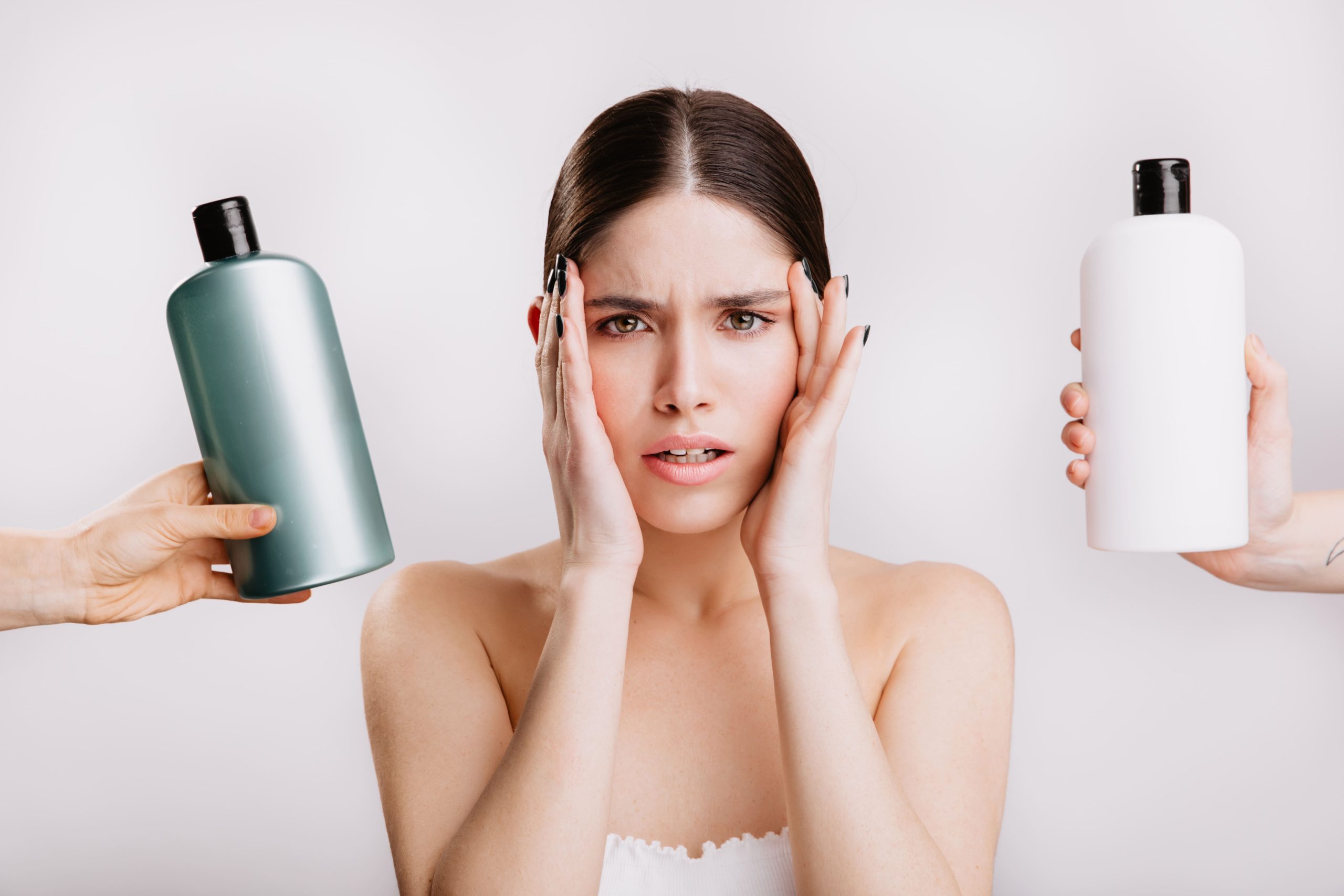
Anti-dandruff shampoos often come with claims such as “helps reduce dandruff,” “cleanses the scalp,” or “helps relieve itching.” However, for both consumers and brands, these claims should not only sound attractive on the packaging.
Anti dandruff shampoo products need to be supported by the right formula and relevant testing so their benefits can be more measurable. That is why it is important to understand whether anti dandruff shampoo claims are truly effective or simply part of a marketing strategy.
Table of content:
- Scalp and the Role of Microorganisms
- Understanding Dandruff and Its Types
- The Impact of Dandruff on Sufferers
- Causes of Dandruff: Internal and External Factors
- Solutions for Managing Dandruff
- How to Treat Dandruff with Anti Dandruff Shampoo
- Active Ingredients in Anti Dandruff Shampoo and How They Work
- Can Dandruff Be Permanently Cured?
- Clinical Evidence of Anti Dandruff Shampoo Effectiveness
Scalp and the Role of Microorganisms
The scalp is an ecosystem inhabited by various microorganisms, such as bacteria and fungi, which naturally coexist with humans. Under normal conditions, these microorganisms help maintain the balance of the scalp environment.
However, when this balance is disrupted due to factors such as excessive oil production, hot and humid weather, stress, hormonal changes, or poor scalp hygiene, certain microorganisms may grow excessively and trigger inflammation.
One of the microorganisms most commonly associated with scalp problems is the fungus Malassezia, especially Malassezia furfur. Uncontrolled fungal growth can cause irritation and scalp flaking, commonly known as dandruff.
Understanding Dandruff and Its Types
Dandruff is a scalp condition characterized by the appearance of white or yellowish flakes of dead skin that easily fall from the hair and scalp. This condition is often accompanied by itching, redness, and discomfort.
In general, dandruff can be divided into two types: dry dandruff and oily dandruff. Dry dandruff produces small white flakes that easily fall onto clothing, while oily dandruff usually appears as larger, yellowish flakes that stick to the scalp because they are mixed with sebum or oil. Both types of dandruff can affect a person’s comfort and appearance in daily activities.
The Impact of Dandruff on Sufferers
Although dandruff is not a contagious disease, it can have a significant impact on those who experience it. Persistent itching often causes people to scratch their scalp excessively, which may lead to irritation, small wounds, and even secondary infection.
In addition, visible dandruff flakes on the hair and clothing can reduce self confidence and affect social interactions. In more severe cases, dandruff may also be a sign or part of seborrheic dermatitis, which requires further treatment.
Causes of Dandruff: Internal and External Factors
Dandruff is influenced not only by external factors but also by internal ones. Internal factors include genetic tendency, hormonal changes, stress, immune system disorders, and excessive scalp oil production.
Meanwhile, external factors may include hot and humid weather, pollution, unsuitable hair care products, improper shampooing habits, and the overgrowth of Malassezia fungi. The combination of these factors makes dandruff a complex problem, with causes that may vary from one individual to another.
Solutions for Managing Dandruff
One of the most common solutions for managing dandruff is the use of anti dandruff shampoo. Unlike regular shampoo, which mainly functions to clean the hair and scalp, anti dandruff shampoo is specifically formulated to address the factors that cause dandruff.
This product is designed to help reduce fungal growth, control inflammation, and normalize the excessive turnover of scalp skin cells. Therefore, anti dandruff shampoo is often the main choice in scalp care for dandruff problems.
How to Treat Dandruff with Anti Dandruff Shampoo
Treating dandruff with anti dandruff shampoo should be done regularly and according to the instructions for use. In general, the shampoo is applied to wet hair and scalp, then gently massaged so the active ingredients can reach the entire scalp surface.
The shampoo is usually left on for a few minutes before rinsing, allowing the active ingredients to work optimally. The frequency of use can be adjusted based on the severity of dandruff and the recommendations on the product packaging or from healthcare professionals.
Active Ingredients in Anti Dandruff Shampoo and How They Work
The effectiveness of anti dandruff shampoo is strongly influenced by the active ingredients it contains. Some commonly used active ingredients include zinc pyrithione (ZnPT), piroctone olamine, selenium sulfide, ketoconazole, and salicylic acid.
Zinc pyrithione works by inhibiting the growth of fungi and bacteria that play a role in dandruff formation. Piroctone olamine disrupts fungal metabolism, reducing its population. Selenium sulfide helps slow down the turnover of scalp skin cells while also suppressing the growth of Malassezia.
Ketoconazole works as an antifungal agent by inhibiting the formation of fungal cell membranes, preventing fungi from growing. Meanwhile, salicylic acid helps remove the buildup of dead skin cells on the scalp, making dandruff flakes easier to clean.
Can Dandruff Be Permanently Cured?
Many people assume that dandruff can disappear forever after using anti dandruff shampoo. However, in reality, dandruff is often a chronic condition that can recur. Anti dandruff shampoo can control symptoms and significantly reduce dandruff when used regularly.
However, if the triggering factors remain, such as stress, hormonal changes, weather conditions, or excessive oil production, dandruff may return after the product is discontinued. Therefore, continuous scalp care is still needed to maintain a healthy scalp condition.
Clinical Evidence of Anti Dandruff Shampoo Effectiveness
The effectiveness of anti dandruff shampoo is not only based on manufacturer claims but is also supported by various studies and clinical trials. In clinical studies, active ingredients such as zinc pyrithione, ketoconazole, piroctone olamine, and selenium sulfide have been shown to reduce dandruff flakes, decrease itching, and inhibit the growth of dandruff causing fungi.
Effectiveness is usually assessed by observing scalp conditions before and after product use over several weeks. Research findings show that shampoos containing these active ingredients provide better results than regular shampoos in controlling dandruff.
Read also:
It’s Not the Shampoo’s Fault! Here’s the Scientific Reason Your Hair Is Falling Out
Conclusion: Effective or Just Marketing?
Anti-dandruff shampoo is not merely a product with marketing claims designed to attract consumers. The various active ingredients used have clear mechanisms of action and are supported by scientific evidence and clinical testing. Although washing hair with regular shampoo can help remove dirt and oil from the scalp, regular shampoo is not designed to inhibit fungal growth or address the inflammation that is one of the main causes of dandruff.
Therefore, for individuals who experience recurring or more severe dandruff, using anti dandruff shampoo is a more effective solution than relying only on regular shampoo. With proper and consistent use, anti dandruff shampoo can help maintain scalp health, reduce dandruff symptoms, and improve the user’s comfort and confidence.
Effective Claims Need Proof
If your brand is developing an anti dandruff shampoo, do not rely only on claims that sound appealing. Make sure your product has gone through proper testing to support its safety, quality, and claim effectiveness.
With IML Testing and Research, you can conduct professional product testing to make your anti dandruff shampoo claims stronger, more credible, and ready to compete in the market.
Author: Delfia
Editor: Alphi
References
Balato, A., Cacciapuoti, S., Di Caprio, R., Marasca, C., Masarà, A., Raimondo, A., & Fabbrocini, G. (2019). Human microbiome: Composition and role in inflammatory skin diseases. Archivum Immunologiae et Therapiae Experimentalis, 67(1), 1–18.
Pallo, A. A., Pakan, P. D. ., Indriarini, D. ., & Riwu, M. . (2026). Activity Test of Anti-Dandruff Shampoo Preparation of Fragrant Pandan Leaf Extract (Pandanus Amaryllifolius Roxb.) Against the fungus Malassezia Furfur. Journal of Comprehensive Science, 5(2), 679–688