How Is the PA Value Determined in Sunscreen Products?

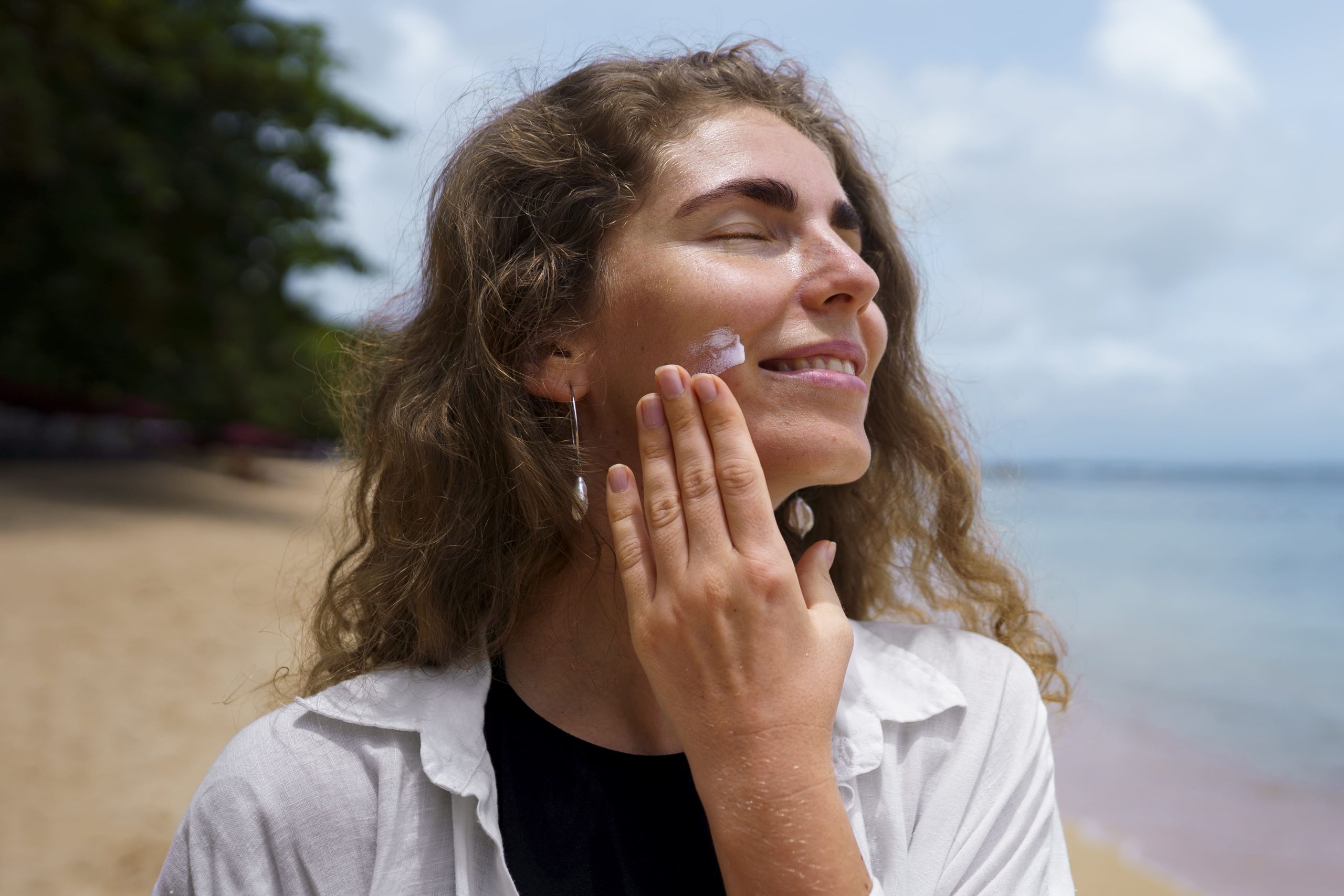
Sunscreen is often chosen based on the SPF number and PA claim shown on the packaging. However, many consumers and brands still do not fully understand how the PA value in sunscreen products is determined.
PA is related to skin protection against UVA rays, which can contribute to early signs of aging, dark spots, and long term skin damage. That is why skincare brands need to understand the PA value determination process, so sunscreen protection claims are not only attractive for marketing but also measurable and credible.
Table of content:
- The Reality of Sun Exposure
- Sunscreen Function
- How Sunscreen Works
- Testing Methods Used
- How to Determine PA Value
The Reality of Sun Exposure
Indonesia, as a tropical country located along the equator, receives abundant sunlight throughout the year, with an average daily solar radiation intensity ranging from approximately 4.8 to 6.0 kWh/m². A large proportion of the Indonesian population also spends significant time outdoors, making the skin more susceptible to damage caused by continuous sun exposure.
The portion of sunlight that poses the greatest risk to the skin is ultraviolet (UV) radiation, particularly UVA and UVB rays. In recent years, the incidence of skin disorders and diseases associated with UV radiation has continued to increase.
Long term UV exposure can trigger the formation of reactive oxygen species (ROS), leading to oxidative stress in skin cells. This condition may contribute to DNA damage, premature skin aging, hyperpigmentation, loss of skin elasticity, and an increased risk of skin cancer.
Sunscreen Function
Naturally, the skin has a protective mechanism through the production of melanin, which absorbs a portion of UV radiation. However, under conditions of intense and prolonged exposure, the amount of melanin produced is often insufficient to provide adequate protection.
Therefore, the use of sunscreen is an important strategy for protecting the skin from the harmful effects of UV radiation. Sunscreens work by absorbing, reflecting, or scattering UV rays, thereby reducing the amount of radiation that reaches the skin.
How Sunscreen Works
To ensure their effectiveness, sunscreen products must undergo various tests to evaluate their ability to protect the skin from UV induced damage. In addition to protection against UVB radiation, which is commonly expressed as the Sun Protection Factor (SPF), protection against UVA radiation is also of great importance because UVA rays can penetrate deeper into the skin and contribute to premature aging and long term skin damage.
UVA protection in sunscreen products is generally expressed using the PA (Protection Grade of UVA) rating system. Therefore, accurate and standardized testing methods are required to evaluate the effectiveness of sunscreen products against UVA radiation.
Read also:
Mineral vs Chemical Sunscreen: Which Is Safer and Better Tested?
Testing Methods Used
One of the most widely used international methods for evaluating in vitro UVA protection is the method developed by Cosmetics Europe (formerly COLIPA) and subsequently adopted into the International Organization for Standardization (ISO) standard. In this method, the sunscreen product is evenly applied onto a roughened polymethyl methacrylate (PMMA) plate designed to mimic the texture of human skin.
After application at a specified amount and under controlled conditions, the sample is analyzed using a UV spectrophotometer to measure the amount of ultraviolet radiation that passes through the sunscreen film. The sample is then exposed to a controlled dose of UV radiation (pre irradiation) to simulate real life sun exposure conditions.
Following irradiation, UV transmission measurements are repeated. The comparison of transmission data before and after irradiation is used to calculate the UVA Protection Factor (UVA PF) and the Critical Wavelength.
How to Determine PA Value
The UVA PF value reflects the level of protection provided against UVA radiation, while the Critical Wavelength indicates the breadth of UV protection offered by the product. In general, a higher UVA PF value indicates a greater ability of the sunscreen to protect the skin from the harmful effects of UVA radiation.
The UVA PF value obtained using the COLIPA/ISO 24443 method can subsequently be used as the basis for assigning the PA value category commonly displayed on sunscreen packaging. In general, PA value ratings are classified according to UVA PF values and PA value as follows: PA+ for UVA-PF values from 2 to less than 4, PA++ for values from 4 to less than 8, PA+++ for values from 8 to less than 16, and PA++++ for values of 16 or higher.
Therefore, the COLIPA/ISO 24443 method serves as an important international reference for ensuring that UVA protection claims made by sunscreen products are supported by scientifically validated data, allowing consumers to make informed decisions regarding the level of protection provided by the products they use.
PA Claims Need Testing
If your brand wants to include a PA claim on a sunscreen product, make sure the value is not based only on formula estimation. PA value is related to UVA protection, so it needs to be supported by proper testing to make the product claim more credible for PA value.
With IML Testing and Research, you can conduct professional sunscreen testing to help ensure your PA value claim is stronger, measurable, and ready to compete in the skincare market.
Author: Jihan
Editor: Alphi
References
Balakhrisnan KP and Narayanaswamyi N. Botanicals as sunscreens: Their Role in the Prevention of Photoaging and Skin Cancer. International Journal of Research in Cosmetic Science Universal Research Publications. 2011; 1(1):1-12
COLIPA. (2011). Method for the in vitro determination of UVA protection factor and “critical wavelength” values of sunscreen products. The European Cosmetic Toiletry and Perfumery Association.
International Organization for Standardization. (2021). ISO 24443:2021 Cosmetics Sun protection test methods In vitro determination of sunscreen UVA photoprotection. ISO.
Narloch, I., & Wejnerowska, G. (2021). An Overview of the Analytical Methods for the Determination of Organic Ultraviolet Filters in Cosmetic Products and Human Samples. Molecules, 26(16), 4780. https://doi.org/10.3390/molecules26164780
Pelizzo, M., Zattra, E., Nicolosi, P., Peserico, A., Garoli, D., & Alaibac, M. (2012). In vitro evaluation of sunscreens: an update for the clinicians. ISRN dermatology, 2012, 352135.