Mineral vs Chemical Sunscreen: Which Is Safer and Better Tested?

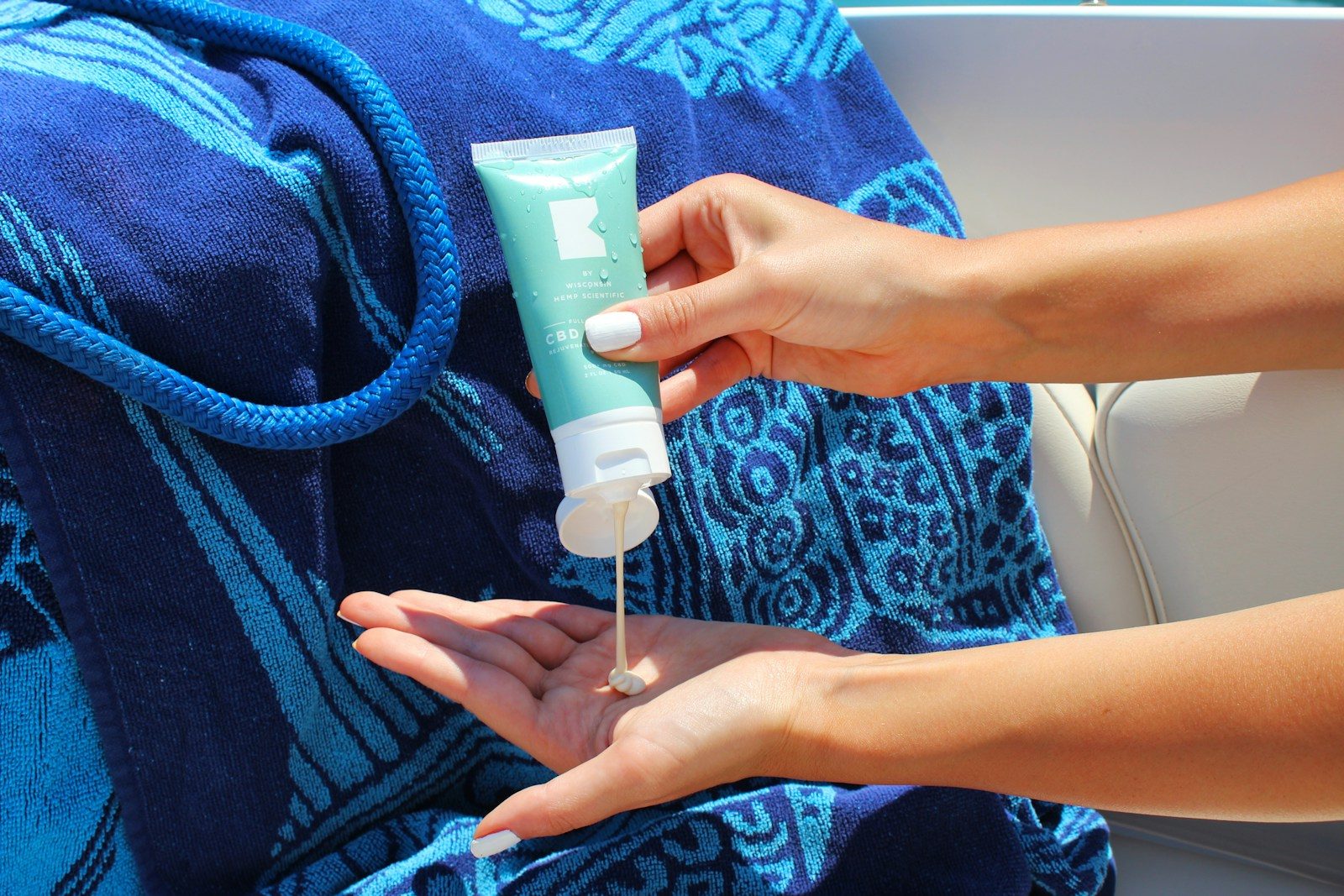
Have you ever stood in front of a skincare shelf, looking at two sunscreen products with nearly identical protection claims one labeled mineral and the other chemical and felt unsure which to choose?
The debate between mineral and chemical sunscreen goes far beyond texture preferences or white cast concerns. Beneath the surface lies a difference in mechanism of action, safety profiles, and regulatory status that is receiving increasingly serious attention from the scientific community and regulatory bodies worldwide.
For consumers, this choice concerns the long term safety of substances applied to the skin every day. For manufacturers and cosmetic formulators, it is an even more critical question one that touches on claim validity, regulatory compliance, and scientific responsibility for every active ingredient used in their formulations.
In 2019, the FDA issued a proposed rule stating that only two sunscreen active ingredients are considered generally recognized as safe and effective (GRASE) zinc oxide and titanium dioxide, which are the active ingredients in mineral sunscreens.
Table of Content :
- How Mineral and Chemical Sunscreens Work
- Mineral Sunscreen Safety: What Does Science Say?
- The Safety Controversy Around Chemical Sunscreens
- Regulatory Landscape: FDA, EU, and BPOM
- Implications for Manufacturers and Cosmetic Formulators
How Mineral and Chemical Sunscreens Work
The fundamental difference between mineral and chemical sunscreens lies in their UV protection mechanisms. Physical (mineral) sunscreens such as zinc oxide and titanium dioxide work by reflecting UV rays, making them safer for sensitive skin.
In contrast, chemical sunscreens such as avobenzone, oxybenzone, octocrylene, homosalate, and octinoxate absorb UV rays and are generally lighter and less likely to leave a white cast. Mineral sunscreens begin working immediately upon application due to their physical mechanism, while chemical sunscreens require approximately 15–30 minutes to become fully active as they need to be absorbed into the skin first.
Mineral Sunscreen Safety: What Does Science Say?
From a toxicological and regulatory standpoint, mineral sunscreens have a considerably stronger safety track record than their chemical counterparts. The FDA designated zinc oxide and titanium dioxide as GRASE the only two active sunscreen ingredients to receive this designation out of 16 evaluated.
The primary advantage of mineral sunscreens is their minimal systemic absorption their active ingredients work at the skin's surface without entering the bloodstream significantly, making their risk to internal organs far lower. For those concerned about the potential environmental and health effects of organic UV filters, mineral based sunscreens containing zinc oxide and titanium dioxide represent a safer alternative.
Read also:
Sunscreen with SPF Claims: Has Your Product Passed the Right Test?
The Safety Controversy Around Chemical Sunscreens
Several active ingredients in chemical sunscreens are facing increasingly intense scientific scrutiny. Research published in January 2020 demonstrated that all six chemical UV filters in sunscreens are absorbed through the skin and enter the bloodstream after just a single application.
More concerning, a 2023 review of 254 studies found mounting evidence that oxybenzone has endocrine disrupting properties at doses typical of sunscreen use, with potential reproductive problems identified as the greatest concern. Furthermore, in 2024, the European Commission stated it could not determine the safety of current octinoxate use levels due to concerns about endocrine disruption and genotoxicity.
It is important to note that much of this evidence comes from in vitro and animal studies human clinical studies confirming clinically meaningful harm remain limited but these findings are sufficiently robust to have triggered regulatory reviews across multiple jurisdictions.
Regulatory Landscape: FDA, EU, and BPOM
The global regulatory landscape for sunscreens is undergoing significant transition. Beyond designating zinc oxide and titanium dioxide as GRASE, the FDA also determined that two other chemical sunscreen ingredients aminobenzoic acid (PABA) and trolamine salicylate are no longer considered GRASE due to risks of toxicity, allergic reactions, and drug sensitization.
The remaining 12 active ingredients require additional safety data before their status can be determined. Meanwhile, Europe has access to next generation UV filters that are more photostable and have significantly lower systemic absorption profiles.
One noteworthy development is bemotrizinol (Tinosorb S), which provides broad spectrum protection, is not easily absorbed through the skin, has no hormonal disruption concerns, and has been used globally for over 20 years across Europe, Asia, and Australia with an excellent safety profile. In Indonesia, sunscreen claim regulation under BPOM mandates that every SPF claim be supported by valid test data.
Implications for Manufacturers and Cosmetic Formulators
For cosmetic manufacturers and formulators, the mineral vs chemical sunscreen debate carries direct practical implications. The selection of UV filter active ingredients affects not only product performance, but also the claims that can be made, the markets that can be reached, and the regulatory risks that must be managed.
Products containing active ingredients with unresolved regulatory status such as oxybenzone in the US risk market restrictions in the future. Conversely, mineral filter-based products rest on more solid regulatory foundations and can be accepted across a wider range of global markets.
Comprehensive safety and efficacy testing from active ingredient stability testing and systemic absorption assessment to in vivo SPF testing is an investment that no serious sunscreen manufacturer can afford to overlook.
Has Your Sunscreen Formulation Been Tested?
Has your sunscreen formulation whether mineral or chemical undergone active ingredient safety testing, formula stability assessment, and valid SPF testing in accordance with BPOM RI standards? Whether you are a consumer wanting to ensure the sunscreen you use daily is genuinely safe, or a manufacturer and cosmetic formulator looking to validate UV filter active ingredient claims and safety in your formulation.
IML Testing & Research is ready to help with internationally recognized testing methods. Consult your sunscreen testing needs today and ensure every claim you make is backed by solid scientific evidence.
References
U.S. Food and Drug Administration. (2019). FDA Advances New Proposed Regulation for Sunscreens. fda.gov
EWG's Guide to Sunscreens. (2024). The Trouble with Sunscreen Chemicals. ewg.org
Matta, M.K., et al. (2020). Effect of Sunscreen Application on Plasma Concentration of Sunscreen Active Ingredients. JAMA, 323(3), 256–267.
Wang, J., et al. (2023). Oxybenzone: A Review of 254 Studies on Endocrine-Disrupting Properties. Environmental Health Perspectives.
Frontiers in Marine Science. (2024). Sunscreens: Potential Hazards to Environmental and Human Health.
Peraturan BPOM Nomor 3 Tahun 2022 tentang Persyaratan Teknis Klaim Kosmetika.