Sunscreen with SPF Claims: Has Your Product Passed the Right Test?

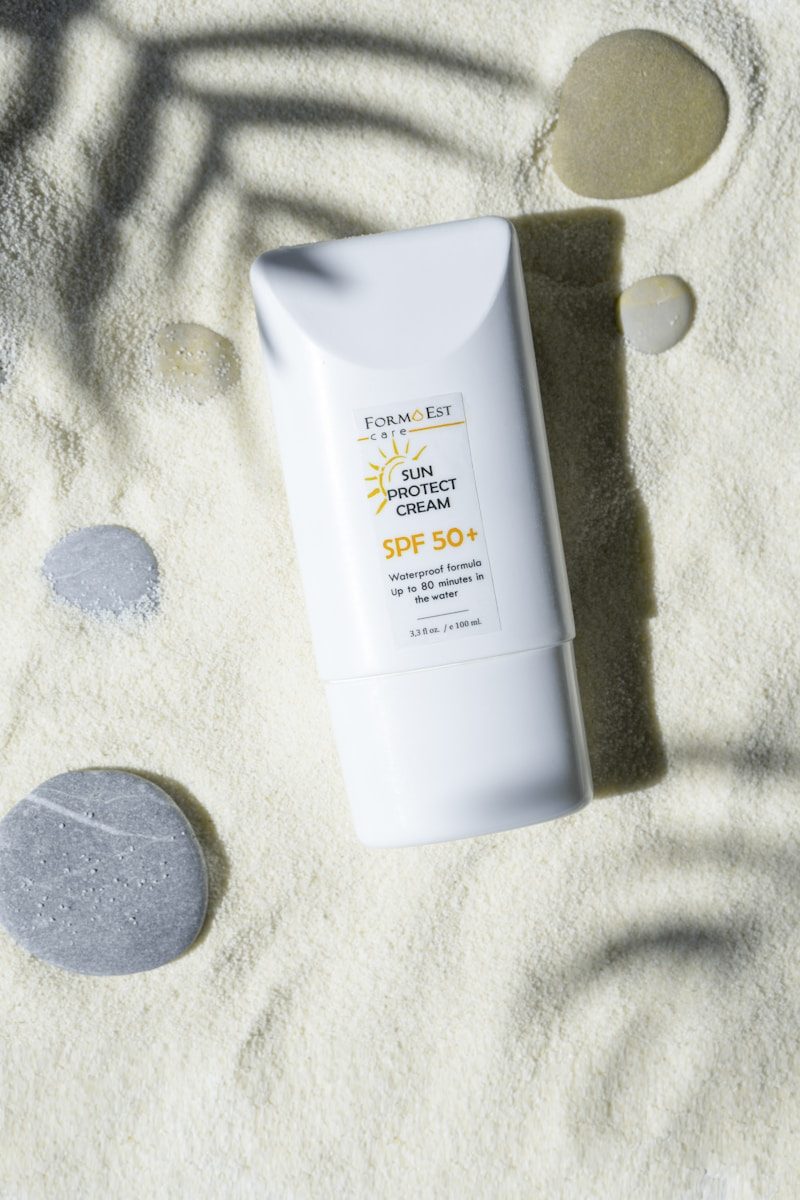
Imagine purchasing a sunscreen labeled SPF 50, feeling fully protected, spending the entire day under the blazing sun only to find your skin red, irritated, and sunburned anyway. This isn't far fetched, because the reality is that not all sunscreen products on the market actually contain the SPF value printed on their packaging.
So how can we truly know whether a product's SPF claim is legitimate? The answer lies in proper testing. BPOM found that 16.67 percent of sunscreen products did not meet the requirements for SPF claim supporting data meaning nearly one in six sunscreen products may not protect your skin as promised. This is not merely a consumer issue it reflects the critical importance of valid, standardized SPF testing for every cosmetic manufacturer before their product ever reaches the market.
Table of content :
- What Is SPF and Why Does Its Value Matter for Your Skin?
- BPOM Regulations: Why SPF Claims Cannot Be Made Arbitrarily
- In Vitro Testing: The First Step in Determining Sunscreen SPF Value
- In Vivo Testing: The Gold Standard in Cosmetic SPF Testing
- Legal and Business Risks Behind Invalid SPF Claims
- Make Sure Your SPF Claim Is Valid Before It's Too Late
What Is SPF and Why Does Its Value Matter for Your Skin?
Sun Protection Factor, or SPF, is a number that indicates how long a sunscreen product can protect the skin from ultraviolet (UV) radiation particularly UVB rays, which are the primary cause of sunburn and skin cell damage. The higher the SPF value, the longer the protection it provides.
SPF 30, for example, theoretically offers 30 times more protection than wearing no sunscreen at all. However, this value is only meaningful if the product has undergone proper, standardized testing not simply an unverified claim made by the manufacturer.
BPOM Regulations: Why SPF Claims Cannot Be Made Arbitrarily
In Indonesia, cosmetics including sunscreens with SPF claims must be notified to BPOM and evaluated with emphasis on safety, efficacy, and product quality aspects. These regulations carry real consequences. BPOM may impose administrative sanctions on sunscreen manufacturers who are found to have included SPF claims without valid supporting data.
This means every SPF number printed on a product's packaging must be scientifically substantiated through recognized testing methods.
Read also:
Not Just Once! The Importance of Reapplying Sunscreen with Laboratory-Tested Products
In Vitro Testing: The First Step in Determining Sunscreen SPF Value
SPF value testing can be conducted through two methods: in vitro and in vivo testing. In vitro testing uses ultraviolet (UV) spectrophotometry equipment and serves as a preliminary test to determine an estimated SPF value of a sunscreen.
Although the results cannot yet serve as a definitive basis for establishing the final SPF value, this method is highly useful during the early stages of product formula development. Being more cost efficient and time effective, in vitro testing helps manufacturers screen and optimize their formulas before proceeding to more comprehensive testing stages.
In Vivo Testing: The Gold Standard in Cosmetic SPF Testing
In vivo testing is the primary standard test method (gold standard) for determining the SPF value of cosmetics, as it uses human test subjects and therefore more accurately reflects the true SPF value. BPOM requires in vivo test data as supporting evidence for SPF claims and values to be printed on sunscreen products.
This method follows the international standard ISO 24444 and involves measuring the human skin's response to direct UV exposure, making its results far more accurate and representative than laboratory testing without human subjects.
Legal and Business Risks Behind Invalid SPF Claims
Printing an SPF claim without proper testing does not only violate regulations it carries serious risks for the long term viability of a business. BPOM has imposed sanctions in accordance with BPOM Regulation No. 17 of 2023 on Guidelines for Cosmetic Product Information Documents and BPOM Regulation No. 3 of 2022 on Technical Requirements for Cosmetic Claims.
Beyond legal sanctions, products found to have non compliant SPF claims risk permanently damaging a brand's reputation in the eyes of increasingly informed and discerning consumers.
Make Sure Your SPF Claim Is Valid Before It's Too Late
SPF testing is not merely an administrative formality it is a form of scientific responsibility and a commitment to consumer safety. Sunscreen products that have undergone valid testing are not only protected from regulatory sanctions, but also build far stronger and more sustainable consumer trust.
In Indonesia's increasingly competitive skincare market, the validity of an SPF claim can be the defining difference between a brand that thrives and one that falls behind.
Is Your Sunscreen Ready for Testing? Validate Your SPF Claims with IML!
Is the SPF value on your sunscreen product backed by valid test data? Don't wait until your product becomes part of BPOM's non compliance statistics. Whether you're a consumer wanting to understand the safety standards of the products you use daily, or a manufacturer aiming to ensure your sunscreen passes BPOM notification with solid SPF claim supporting data.
IML Testing & Research is your trusted testing partner. Consult your SPF testing needs today and ensure every claim you make can be scientifically justified.
Author: Alphi
Editor: Alphi
References
Indonesian Food and Drug Authority (BPOM RI). (2023). Public Explanation of BPOM RI No. HM.01.1.2.08.23.33 regarding Sunscreen Cosmetics with SPF Claims. pom.go.id
BPOM Regulation No. 17 of 2023 on Guidelines for Cosmetic Product Information Documents.
BPOM Regulation No. 3 of 2022 on Technical Requirements for Cosmetic Claims.
Pelizzo, M., Zattra, E., Nicolosi, P., Peserico, A., Garoli, D., & Alaibac, M. (2012). In Vitro Evaluation of Sunscreens: An Update for the Clinicians. ISRN Dermatology, 2012, 352135.
Huang, W., Zhang, W., Tomihisa, S., Kuang, H., Li, R., & Chen, X. (2025). Innovative Safe Sunscreens Technology: Evaluation of Skin Penetration Through In Vitro/In Vivo Assays and Environmental Friendliness. Journal of Cosmetic Dermatology.