Pesticide Residues in Rice: Facts, Risks, and Testing Standards

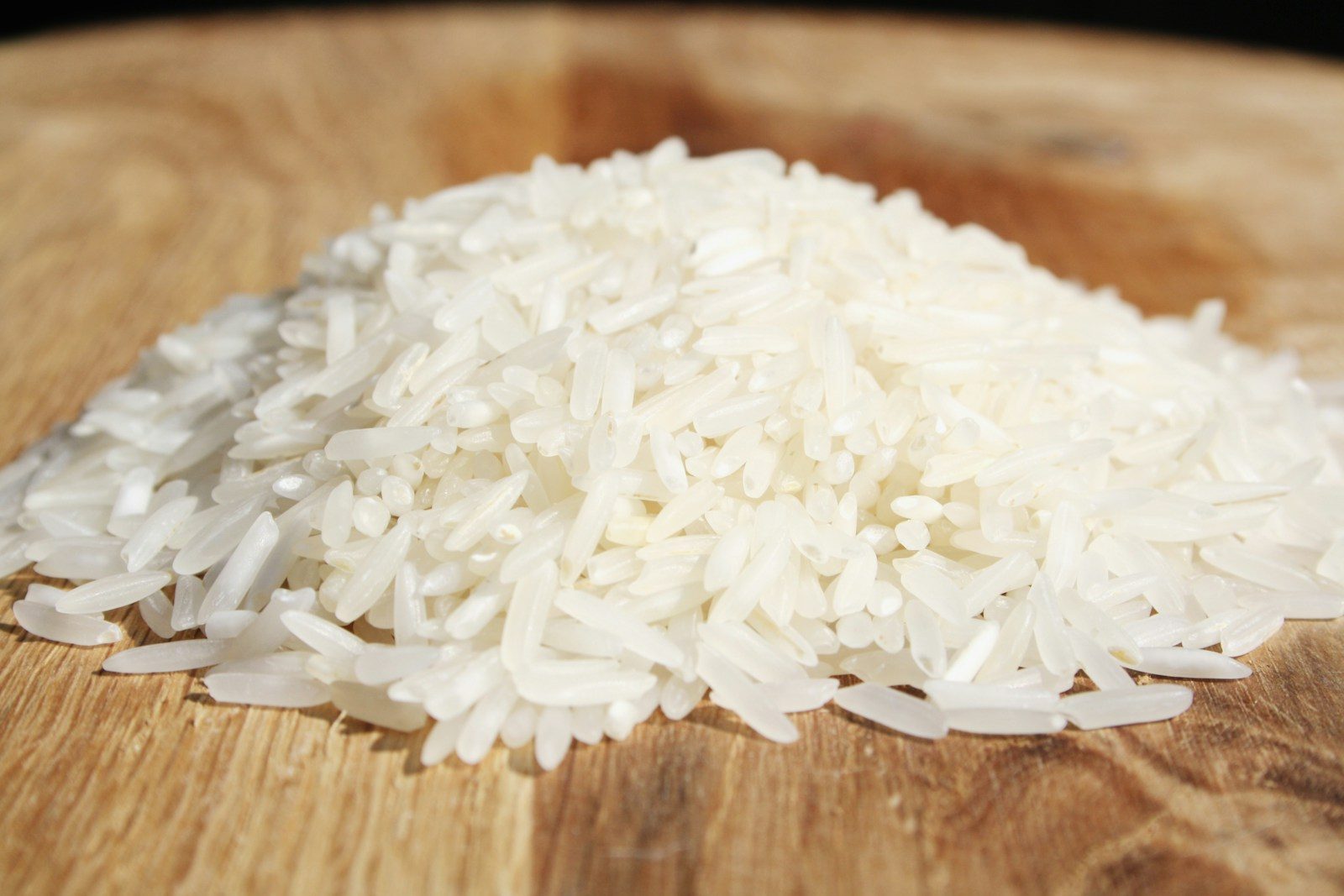
Rice is the staple food consumed by almost all Indonesians every day often more than once. But have you ever wondered how safe the rice on your plate is from pesticide residues used during the farming process?
This is not merely a consumer concern it is a scientific and regulatory issue receiving increasingly serious attention from research communities, the food industry, and regulatory bodies worldwide. The use of pesticides in Indonesia is an inseparable part of the agricultural system.
On one hand, pesticides play a critical role in protecting rice crops from pest damage. On the other, the residues they leave behind in the final product can endanger consumer health when they exceed scientifically established threshold limits. For players in the food industry, rice distributors, and manufacturers of rice based products, understanding pesticide residue testing standards is not merely about regulatory compliance it is the foundation of sustainable market trust
Table of content :
- What Are Pesticide Residues in Rice?
- Health Risks from Pesticide Residue Exposure
- Maximum Residue Limits: Global and Indonesian Standards
- Scientific Methods for Testing Pesticide Residues in Rice
- Implications for the Food Industry and Rice Trade
What Are Pesticide Residues in Rice?
Pesticide residues refer to chemical compounds from pesticides that remain on or in food products after agricultural application. Pesticides can enter the human body directly or indirectly directly through oral, dermal, respiratory, and eye exposure; and indirectly through food or beverages consumed.
In rice, pesticide residues commonly originate from insecticides, fungicides, and herbicides applied during the growing season. Among the most frequently detected are organophosphate compounds such as chlorpyrifos, as well as pyrethroids and carbamates.
Health Risks from Pesticide Residue Exposure
From a toxicological perspective, the effects of pesticide residues on human health are categorized as acute or chronic. Mild symptoms from pesticide residue exposure include abdominal pain and vomiting, while acute poisoning symptoms include headache, nausea, fatigue, and tremors. Accumulation of pesticide residues in the human body can cause chronic toxic effects, including damage to the nervous system, immune system, reproductive system, and liver and kidney cells.
Long term exposure to certain pesticide residues has also been associated with increased cancer risk and endocrine disruption findings documented in numerous international epidemiological studies and forming the scientific basis for global Maximum Residue Limit (MRL) establishment.
Read also:
Understanding Pyrethroids: Effective and Relatively Safe Active Ingredients in Pesticides
Maximum Residue Limits: Global and Indonesian Standards
To protect consumers while ensuring fair trade practices, the international scientific community has established Maximum Residue Limits (MRLs). An MRL is the highest level of a pesticide residue legally tolerated in or on food when pesticides are applied correctly in accordance with Good Agricultural Practice (GAP).
At the international level, the Codex Alimentarius Commission, established in 1962, is responsible for setting MRLs for pesticides in internationally traded food, with MRLs required to be toxicologically acceptable based on estimated consumer pesticide intake. In Indonesia, MRL standards for rice refer to national standards (SNI) and Ministry of Agriculture regulations, which are periodically aligned with Codex Alimentarius standards.
Scientific Methods for Testing Pesticide Residues in Rice
Testing pesticide residues in rice requires analytical methods that are sensitive, selective, and validated. One of the most widely used extraction methods in pesticide residue analysis in rice is the QuEChERS method (Quick, Easy, Cheap, Effective, Rugged, and Safe), followed by analysis using GC/MS (Gas Chromatography/Mass Spectrometry).
In addition, LC-MS/MS (Liquid Chromatography Tandem Mass Spectrometry) is increasingly used for its ability to detect multiple residues simultaneously at very high sensitivity levels even at parts per billion (ppb). Method selection must consider the type of pesticides to be detected, the sample matrix, and applicable laboratory accreditation requirements.
Implications for the Food Industry and Rice Trade
For food industry players, pesticide residue testing is not merely a domestic regulatory obligation. In the context of international trade, pesticide MRLs in rice are a critically important issue the level of harmonization between the MRLs of five major world economies and Codex Alimentarius standards has been shown to be very low for rice, with the potential to create trade barriers between countries.
This means Indonesian rice producers and exporters aiming to enter international markets must ensure their products meet not only national MRL standards, but also those of their target export countries. Failure to comply can result in product rejection at destination ports, significant financial losses, and serious reputational damage in global markets.
Has Your Rice Been Tested for Residues? Make Sure with IML!
Has your rice product undergone valid pesticide residue testing that complies with Codex Alimentarius and applicable SNI standards? Whether you are a rice producer wanting to ensure product safety before reaching consumers, a distributor wanting to guarantee supply chain quality, or an exporter needing residue data to meet international market requirements
IML Testing & Research is ready to conduct pesticide residue testing using validated, internationally recognized analytical methods. Consult your pesticide residue testing needs today and ensure your rice is safe, legally compliant, and ready to compete in the global market.
Author & Editor: Alphi
References
Indonesian Ministry of Agriculture Regulation on Maximum Residue Limits for Pesticides in Agricultural Products.
Codex Alimentarius Commission. Maximum Residue Limits for Pesticides. fao.org/fao-who-codexalimentarius
FAO/WHO. (2019). Understanding International Harmonization of Pesticide Maximum Residue Limits. openknowledge.fao.org
Amrullah, et al. (2020). Analysis of Chlorpyrifos Pesticide Residues in Rice (Oryza sativa). Majalah Farmasi dan Farmakologi, Universitas Hasanuddin.
FAO Pesticide Registration Toolkit. Maximum Residue Limits. fao.org/pesticide-registration-toolkit
Winter, C.K. (1992). Codex Alimentarius Approach to Pesticide Residue Standards. PubMed