


Understanding Skincare Needs Across Every Age

Understand your age-appropriate skincare needs! Learn about the differences in skin structure between babies, teens, and adults, as well as safe and effective ingredients for each stage.

Understand your age-appropriate skincare needs! Learn about the differences in skin structure between babies, teens, and adults, as well as safe and effective ingredients for each stage.

Alcohol vs. non-alcohol hand sanitizer: Understand the differences, effectiveness, and mechanism of action of antiseptics to choose the most effective hand sanitizer against microbes.

Choosing natural, organic, or synthetic skincare? Explore the differences between ingredients, processes, environmental impacts, and why lab testing remains important for all three.

Cosmetics ready for distribution? Don't skip these 3 mandatory tests! Ensure your cosmetic products pass the distribution permit with these tests.

The importance of the "Dermatologically Tested" claim. Understand the types of clinical testing (such as stinging tests and in-use tests) to ensure the product is safe and less irritating.

Looking for a cosmetic testing lab? Check out these 3 characteristics of a trustworthy cosmetic testing lab!

Bacteria aren't always bad. Learn about the beneficial roles of bacteria in health (probiotics), the environment (bioremediation), and the food industry (fermentation).

Products from mushrooms! Learn about mycelium as an environmentally friendly alternative material for textiles, packaging, and building materials, and its fermentation process.
Beware of methanol in perfume. Understand the main composition of perfume, the risks of methanol to the skin and respiratory system, and the importance of BPOM-compliant laboratory testing.
Beware of carcinogenic nitrosamine contamination in drugs! Learn how these compounds are formed, the factors that cause them, and the FDA's evaluation guidelines for product safety.
Why are laboratory tests important? A comprehensive look at the phenomenon of skincare overclaims and how scientific testing ensures product safety, active ingredient levels, and effectiveness.
Check out 3 cosmetic testing laboratories for distribution permits. Read this article to ensure your product is safe, legal, and ready for distribution!
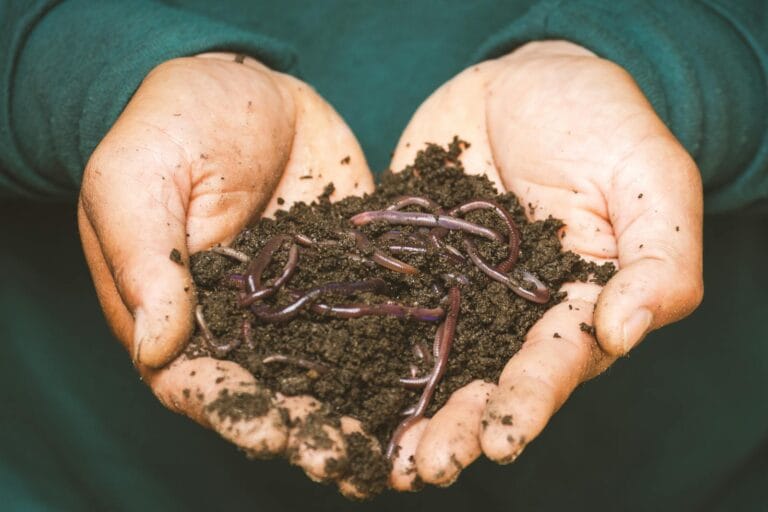
Understand the different types of fertilizers that serve different purposes for plants. Ensure their formulation and ingredients are laboratory-tested to ensure productivity and harvest quality.

Learn about 8 types of cosmetic tests to ensure safety, comply with BPOM regulations, and maintain product quality before marketing.

Deodorant or antiperspirant? Learn the difference between deodorants (antimicrobial) and antiperspirants (sweat-reducing) to combat body odor and excessive sweating.
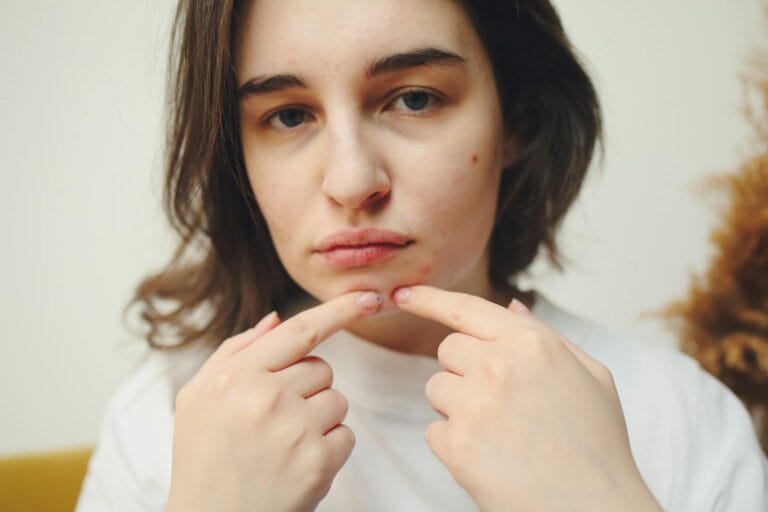
What are acne patches? Learn about their ingredients, how they work, and their types. Learn their benefits for treating acne and tips for safe use.
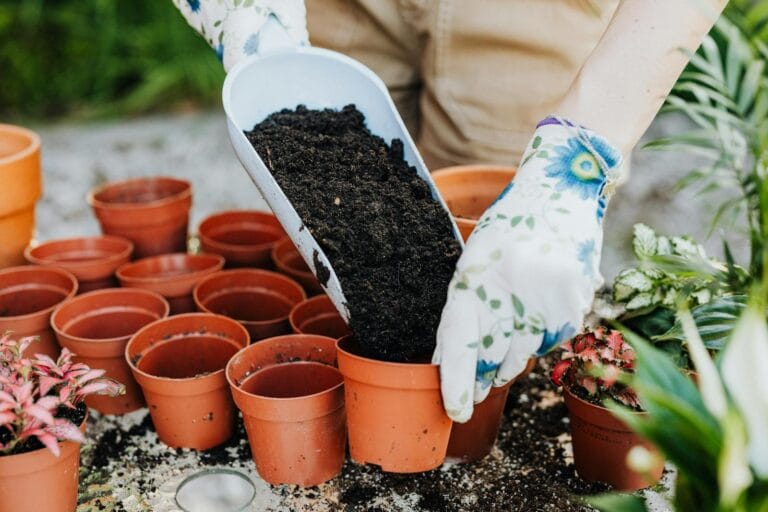
A complete guide to modern agricultural fertilization. Get to know the types of fertilizers, how they work, the 4T principles, and their impact on the environment.
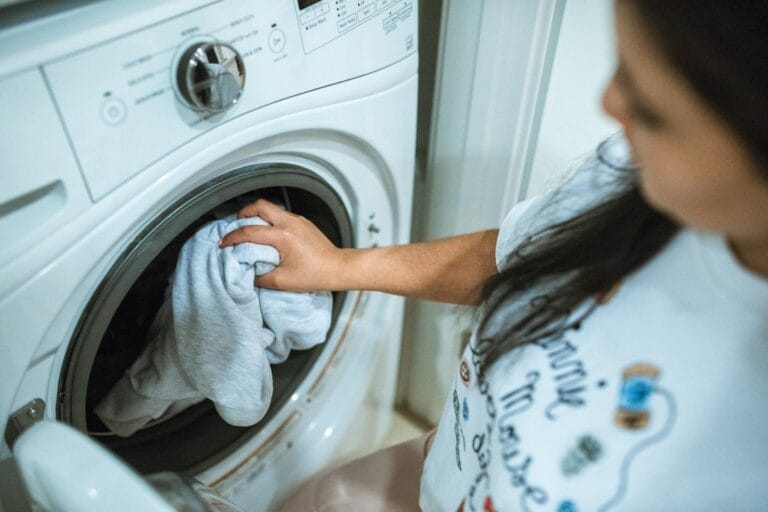
Clothes not completely clean? Understand the role of Mycobacterium osloensis bacteria that causes musty odors, as well as effective ways to eliminate microbes using temperature, detergent, and drying.
Learn about whitening toothpastes. Learn about the types of whitening agents, how they work (abrasive/bleaching methods), and the internal causes of yellow teeth.

Nanotechnology is transforming cosmetics! Learn how nanoparticles enhance the penetration of active substances, types of nanosystems, and the importance of testing nanotechnology products.