Deodorant vs Antiperspirant: Which Is More Effective in Combating Underarm Odor?


- How Does Deodorant Work?
- How Does Antiperspirant Work?
- When Should a Doctor Prescribe Antiperspirant?
- The Difference Between Deodorant and Antiperspirant
Sweating is a physiological function of the body that aims to regulate body temperature. It can be triggered by environmental temperature, stress, anxiety, and activity. Sweat is an odorless liquid composed of water, electrolytes, and proteins.
The unpleasant odor is caused by the metabolic activity of the natural microflora living on the skin of the underarm area. Sweat and body odor can negatively impact a person’s appearance and comfort. Therefore, products that can reduce or eliminate body odor, such as deodorants and antiperspirants, are needed.
How Does Deodorant Work?
Deodorants are cosmetic preparations that work by inhibiting the growth of odor-causing microbiomes using antimicrobial agents. Additionally, perfumes are added to mask unpleasant odors and create a more pleasant scent. One of the most commonly used antimicrobial agents is triclosan.
This ingredient works by inhibiting the enzyme involved in bacterial metabolism. Its high stability and minimal risk of bacterial resistance make it superior to other options. Besides antimicrobial agents, the use of acidifiers or pH-lowering substances is considered effective in reducing bacterial populations.
How Does Antiperspirant Work?
Antiperspirants fall into the category of medications that function to reduce sweat production. They affect the sweat gland system, making them suitable for users who aim to decrease underarm sweat production. Generally, antiperspirants contain aluminum salts that work by temporarily blocking sweat glands.
Body odor can be reduced as sweat production decreases, limiting bacterial growth. The mechanism of antiperspirants involves blocking the oil gland pores to prevent sweat from reaching the skin’s surface. This gel-like blockage is formed through a reaction between aluminum salts and sweat biomolecules.
The hydrolysis of aluminum salts produces Al3+, which reacts with proteins in sweat, such as Bovine Serum Albumin (BSA), forming an insoluble gel complex. This mechanism is considered effective in reducing sweat production.
When Should a Doctor Prescribe Antiperspirant?
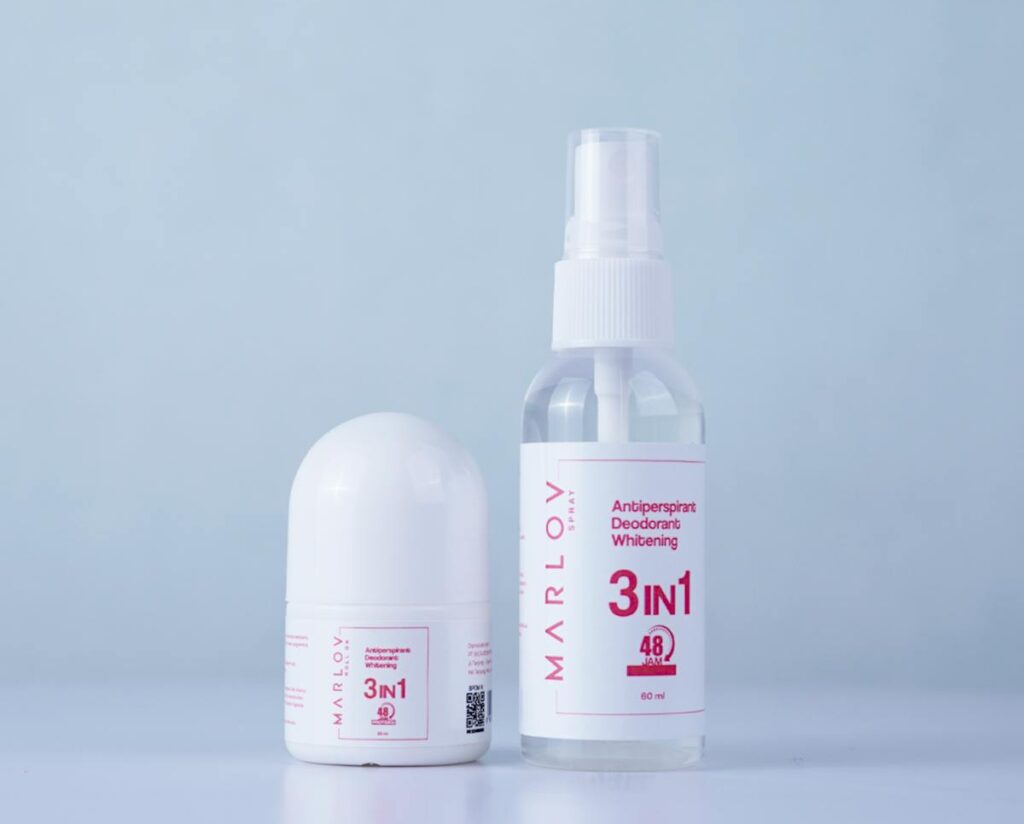
In general, antiperspirants can be used directly without consulting a doctor, especially if used for sweat control. However, certain conditions require consultation and medical evaluation, such as sensitive skin, hyperhidrosis, infections, lumps, or other reactions. Some products containing ingredients like Drysol, Odaban, Certain Dri, or stronger formulations require a doctor’s prescription with restricted usage frequency.
The Difference Between Deodorant and Antiperspirant
Although both deodorants and antiperspirants aim to eliminate body odor, their mechanisms differ. The potential side effects depend on individual underarm skin conditions. The effectiveness of deodorants or antiperspirants depends on the user’s needs. Deodorants are suitable for individuals with low to moderate sweat levels but who experience body odor.
They are also ideal for those with sensitive skin, as they do not pose a significant risk of irritation. On the other hand, antiperspirants work by blocking pores, making them suitable for individuals with hyperhidrosis or excessive sweating and underarm odor. However, individuals with sensitive skin are advised to use antiperspirants under medical supervision or in low concentrations. So far, there is no scientific evidence proving that aluminum in antiperspirants is harmful to health. However, manufacturers must still ensure product safety and assess potential risks.
Ensure your deodorant or antiperspirant product is safe and effective before marketing. Laboratory testing is a crucial step to ensure quality, safety, and compliance with standards. Don’t risk damaging consumer trust; conduct laboratory testing now to ensure your product remains superior and trusted.
Author: Delfia
Editor: Sabilla
References:
Teerasumran, Paweenuch & Velliou, Eirini & Bai, Shuo & Cai, Qiong. (2023). Deodorants and Antiperspirants: New Trends in Their Active Agents and Testing Methods. International journal of cosmetic science. 45. 10.1111/ics.12852.