Uncovering the Brightening Skincare Efficacy Testing Process Before Product Launch


- How is the Efficacy Test for Skin Lightening Products Conducted?
- Who Should Not Participate in This Clinical Trial?
- Why is an Efficacy Test So Important?
Most women desire a bright and radiant complexion, as it is believed to enhance appearance and boost self-confidence. Consequently, facial brightening skincare has become highly popular. These skincare products generally contain active ingredients that inhibit melanin production, promote exfoliation of dead skin cells, or provide antioxidant effects. However, it is important to note that not all products deliver optimal results, making efficacy testing essential to substantiate claims made during marketing.
How is the Efficacy Test for Skin Lightening Products Conducted?
The efficacy testing of facial brightening products can be conducted directly on human skin (clinical trials) by evaluating changes in skin brightness after a specific period of product use. Skin brightness levels are typically measured at the beginning of the study and reassessed after 4 and 8 weeks of product application, with direct evaluation by dermatologists. Additionally, objective measurement tools such as a mexameter can be used to assess skin color based on melanin index readings.
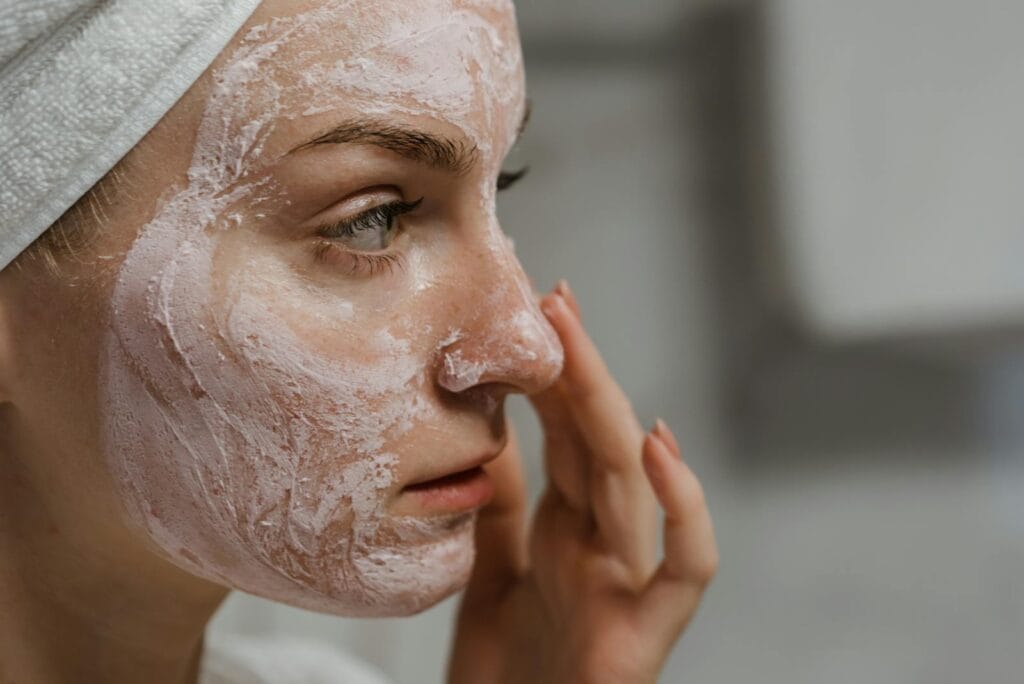
In addition to analyzing the efficacy of facial brightening products, clinical testing can also be conducted to evaluate the efficacy of products in addressing hyperpigmentation (anti-hyperpigmentation). Hyperpigmentation is a skin condition characterized by an increased production of melanin, the pigment responsible for skin color, leading to the appearance of dark spots or areas that are darker than the surrounding skin. This testing is performed on healthy volunteers aged 20–60 years who have facial hyperpigmentation, with no history of acute or chronic physical illness, and who have Fitzpatrick skin types I, III, and IV.
Who Should Not Participate in This Clinical Trial?
For both facial brightening and anti-hyperpigmentation efficacy testing, the study must not include pregnant, breastfeeding, or potentially pregnant women. Additionally, anti-hyperpigmentation testing must not be conducted on volunteers who have a light sensitivity allergy, have been using steroid-containing creams for more than one month, have participated in a similar study within the last six months, or are actively consuming food or medication intended for skin brightening, as these factors could affect the evaluation of the product’s effectiveness.
Why is an Efficacy Test So Important?
Efficacy testing of cosmetic products for facial brightening and anti-hyperpigmentation not only ensures the effectiveness of the results but also plays a crucial role in guaranteeing product safety before commercialization. The evaluation methods must be conducted rigorously to provide valid scientific data that supports product claims related to skin brightening. As cosmetic technology and product innovation continue to advance, research in this field will further contribute to the development of safe and effective skin brightening solutions that meet consumer needs.
Read more:
How Safe Are Your Cosmetic Products?
Conduct cosmetic or skincare efficacy tests at a reputable laboratory to ensure your product claims are supported by valid scientific data. With standardized testing methods, you can deliver a brightening product that is safe, effective, and trusted by consumers.
References:
Boo, Y. C., Jo, D. J., Oh, C. M., Lee, S. Y., & Kim, Y. M. (2020). The first human clinical trial on the skin depigmentation efficacy of glycinamide hydrochloride. Biomedicines, 8(8). https://doi.org/10.3390/BIOMEDICINES8080257.
Cho, B. S., Lee, J., Won, Y., Duncan, D. I., Jin, R. C., Lee, J., Kwon, H. H., Park, G. H., Yang, S. H., Park, B. C., Park, K. Y., Youn, J., Chae, J., Jung, M., & Yi, Y. W. (2020). Skin brightening efficacy of exosomes derived from human adipose tissue-derived stem/stromal cells: A prospective, split-face, randomized placebo-controlled study. Cosmetics, 7(4). https://doi.org/10.3390/cosmetics7040090.
Rattanawiwatpong, P., Wanitphakdeedecha, R., Bumrungpert, A., & Maiprasert, M. (2020). Anti-aging and brightening effects of a topical treatment containing vitamin C, vitamin E, and raspberry leaf cell culture extract: A split-face, randomized controlled trial. Journal of Cosmetic Dermatology, 19(3). https://doi.org/10.1111/jocd.13305.