When Microorganisms Are Intentionally Added: Understanding Antimicrobial Effectiveness Testing (AET)

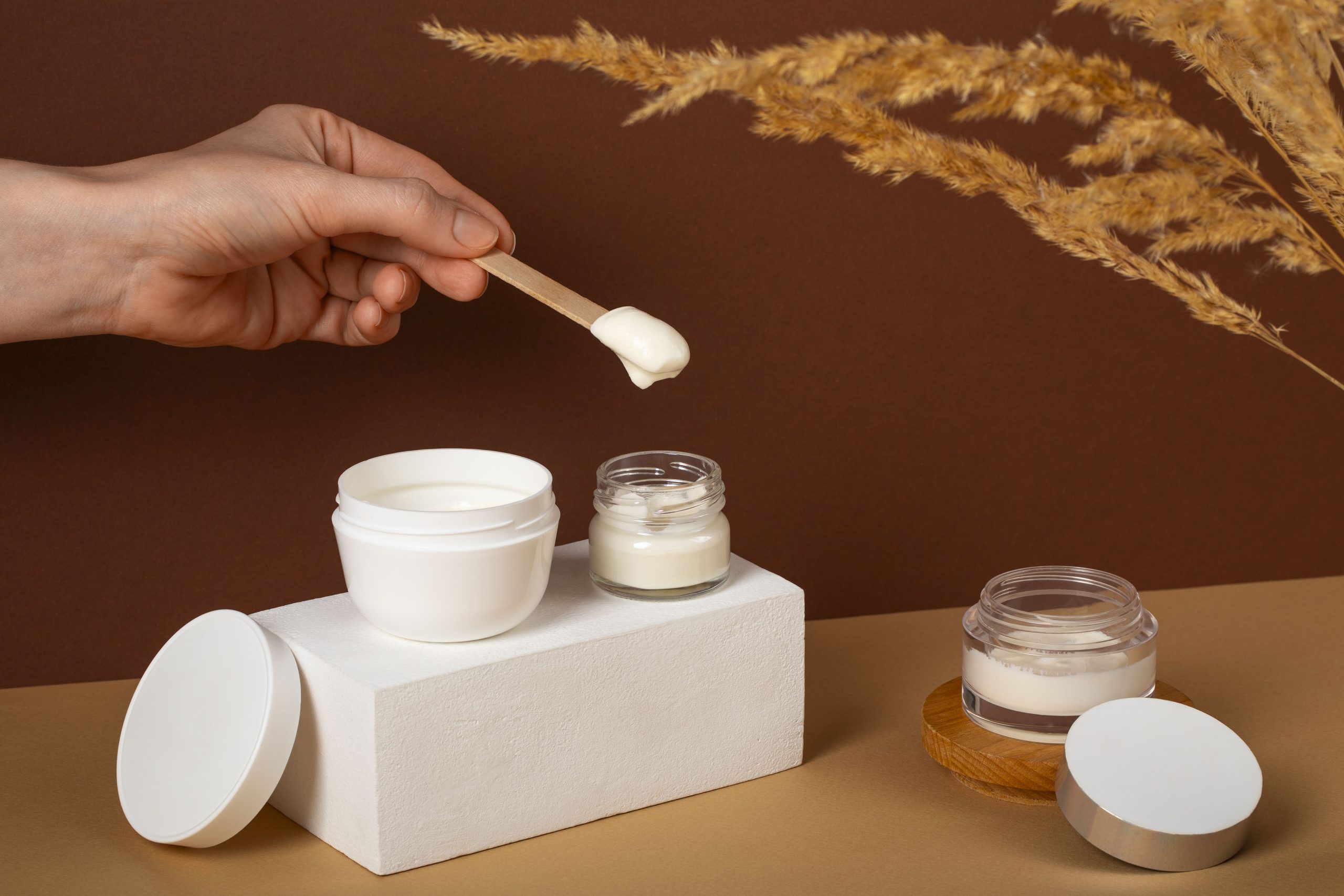
Antimicrobial preservatives are added to products to prevent the growth of microorganisms that may accidentally enter during repeated use. Common preservatives include phenol, m cresol, benzyl alcohol, chlorobutanol, phenoxyethanol, methylparaben, propylparaben, and thimerosal.
These substances work by inhibiting or killing microorganisms, helping to maintain product quality and safety throughout its use. The effectiveness of antimicrobial preservatives is evaluated using the Antimicrobial Effectiveness Test (AET), also known as the Preservative Effectiveness Test (PET).
The test methods and acceptance criteria are described in the United States Pharmacopeia (USP) <51>, European Pharmacopoeia (Ph. Eur.) 5.1.3, and Japanese Pharmacopoeia (JP) 19. Although the procedures are generally similar, there are some differences in the observation time points and acceptance criteria used by each pharmacopeia.
Table of content:
- Why Does the Quality of Test Microorganisms Determine AET Success?
- How Is AET Performed on a Product?
- Evaluating Preservative Performance Through AET Results
Why Does the Quality of Test Microorganisms Determine AET Success?
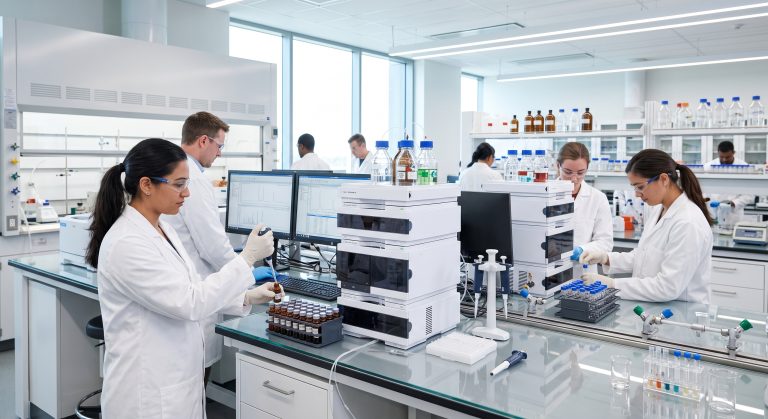
The Antimicrobial Effectiveness Test (AET) simulates microbial contamination in a product to evaluate how well the preservative system can inhibit or reduce microorganisms over time. The success of the test depends on using healthy, active, and consistent microorganisms to ensure accurate and reliable results.
The test microorganisms include bacteria, yeast, and mold. Bacteria such as S. aureus, P. aeruginosa, and E. coli are grown at 30–35°C for 18–24 hours using Soybean Casein Digest Medium (SCDM). Candida albicans is grown at 20–25°C for about 48 hours on Sabouraud Dextrose Agar (SDA), while Aspergillus brasiliensis is cultured on SDA for 6–7 days until abundant spores are produced.
Once optimal growth is achieved, the microbial suspension is standardized to approximately 10⁸ CFU/mL to ensure a consistent starting concentration for each test. Sterile 0.9% saline is commonly used as the diluent, while the Japanese Pharmacopoeia (JP) also allows the use of 0.1% peptone water. For A. brasiliensis, polysorbate 80 is added to prevent spore clumping.
The standardized suspension should be used as soon as possible to maintain cell viability and activity. Storage at 2–8°C can help preserve suspension quality, and A. brasiliensis spores can remain stable for up to seven days under these conditions.
The next step is initial enumeration, which determines the number of microorganisms to be inoculated into the product. This can be performed using pour plate, spread plate, or membrane filtration methods. Rapid methods such as ATP bioluminescence and flow cytometry may also be used to detect microbial growth more quickly.
Read also:
Amino Acids in Skincare: Can Microorganisms Unlock the Future of Cosmetic Ingredients?
How Is AET Performed on a Product?
Ideally, the Antimicrobial Effectiveness Test (AET) is performed using the product in its final marketed container to closely simulate real life use. However, if the product volume is insufficient, pharmacopeias allow the product to be removed from its original container, pooled, and transferred to a suitable sterile vessel for testing.
Test microorganisms are then inoculated into the product to simulate microbial contamination. The inoculum volume should not exceed 1% of the total product volume to avoid diluting the product, reducing preservative concentration, or changing the formulation.
After inoculation, the product is stored at 20–25°C throughout the test period. The number of microorganisms is evaluated at specific time points, typically on days 0, 7, 14, and 28, to determine the log reduction, which is used as an indicator of preservative effectiveness.
Evaluating Preservative Performance Through AET Results
In the Antimicrobial Effectiveness Test (AET), the number of microorganisms is measured at several time points to evaluate how quickly and effectively a preservative system controls microbial contamination. The observation schedule varies among pharmacopeias.
The European Pharmacopoeia (Ph. Eur.) requires evaluations at 6 and 24 hours after inoculation, while the United States Pharmacopeia (USP) and Japanese Pharmacopoeia (JP) focus on later time points. To meet all requirements, laboratories commonly perform microbial counts at 6 hours, 24 hours, and on days 7, 14, and 28.
Test results are assessed based on the reduction in microbial numbers (log reduction) compared with the initial count. Monitoring microorganisms over time helps determine whether the preservative can both reduce microbial populations and prevent regrowth during the test period.
The Ph. Eur. defines two acceptance criteria: Criteria A and Criteria B. Criteria A is more stringent because it requires rapid microbial reduction within the first 6 and 24 hours. In contrast, Criteria B is more practical and widely applied, requiring at least a 1 log reduction within 24 hours and prevention of microbial growth throughout the 28 day test period.
Are You Sure Your Product's Preservative System Is Actually Working?
Adding a preservative to your formula is one thing proving that your preservative system effectively protects the product against microbial contamination is another matter entirely. Without valid AET data, your product's safety claims rest on assumptions, not scientific fact.
IML Testing & Research is ready to support brand owners of all sizes in conducting Antimicrobial Effectiveness Testing in accordance with internationally recognized pharmacopeial standards, delivering results suitable for BPOM RI registration and regulatory documentation. Consult with our expert team about your AET testing needs free of charge, and tailored to your specific product type and category.
Author: Dherika
Editor: Alphi
References
European Pharmacopeia. EP <5.1.3>Efficacy of antimicrobial preservatives.
Japanese Pharmacopeia. JP <19>Preservative effectiveness tests.
Moser, C.L. & Meyer, B.K. (2011). Comparation of Compendial Antimicrobial Effectiveness Tests: A Review. AAPS PhamSciTech, 12(1), 1-5. Doi: 10.1208/s12249-010-9575-9.
United States Pharmacopeia. USP <51>. Antimicrobial effectiveness testing. Rockville, MD