Formula and Packaging Compatibility: The Importance of Compatibility Testing in Cosmetics

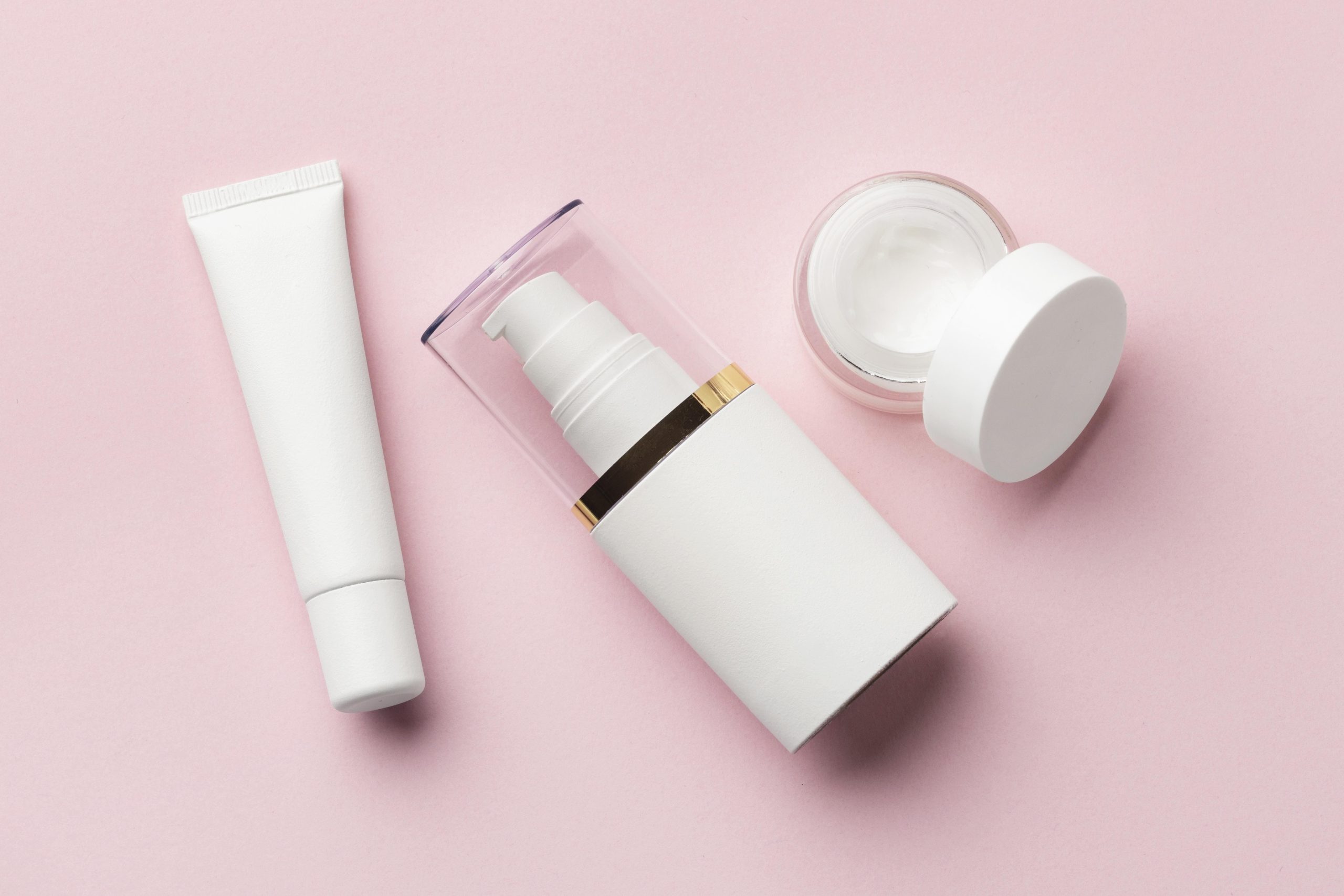
Packaging is the process of designing and producing containers or wrappers that function to store, protect, identify, and promote a product. Packaging can generally be classified into three types: primary packaging, secondary packaging, and distribution packaging.
In cosmetic products, primary packaging is the part that comes into direct contact with the formula, making the selection of packaging materials a very important factor. In addition to protecting the product, packaging must also support product quality, stability, and marketing strategy. Therefore, before being marketed, cosmetic products need to undergo a compatibility test between the formula and the packaging.
Table of content:
Types of Packaging
In general, cosmetic packaging can be divided into four types based on the material used: glass, plastic, metal, and paper/cardboard. Glass packaging is widely used for serums or perfumes because it is inert and able to protect products from air and moisture.
Plastic packaging such as PET, PP, PE, and acrylic is commonly used because it is lightweight, economical, and easy to shape. In addition, metal packaging is used for certain products such as aerosols and lip creams, while paper or cardboard is mainly used as secondary packaging.
Each material has different characteristics regarding light exposure, temperature, humidity, and chemical interactions with cosmetic formulas. Improper packaging selection can trigger various problems, such as product discoloration, odor changes, phase separation, reduced effectiveness of active ingredients, as well as leakage or damage to the container.
Certain cosmetic active ingredients, such as vitamin C, essential oils, alcohol, or specific acids, may react with plastic or certain metal components. In other cases, substances from the packaging may migrate into the product and affect cosmetic safety.
Compatibility Testing
Compatibility testing is an important stage before a product is marketed. This test aims to ensure that the cosmetic formula remains stable and does not undergo negative interactions with the packaging throughout the product’s shelf life.
In addition to maintaining product quality, this testing also helps manufacturers comply with cosmetic safety and regulatory requirements. Compatibility testing is usually conducted together with stability testing.
The product is placed in its final packaging and stored under various conditions of temperature, humidity, and light exposure for a specific period of time. Accelerated conditions, such as temperatures of 40–45°C, are often used to simulate long term storage.
During the testing process, periodic evaluations are carried out to observe physical, chemical, and packaging performance changes. Several parameters are monitored during the test, including changes in color, odor, viscosity, pH, product homogeneity, and packaging conditions such as cracking, swelling, leakage, corrosion, or deformation.
For pump or spray packaging, performance testing is also conducted to ensure the dispensing system continues to function properly after prolonged contact with the formula. In addition, migration testing may be performed to ensure that no harmful substances transfer from the packaging into the cosmetic product.
Read also:
Getting to Know Clinical Safety Test in Cosmetics and Their Functions
Why is Compatibility Testing Necessary?
In addition to maintaining product quality, compatibility testing is essential for consumer protection. Interactions between the formula and packaging may reduce product effectiveness or generate undesirable compounds. For example, incompatible packaging can trigger oxidation of active ingredients, reducing the product’s benefits.
In some cases, the migration of certain substances from packaging materials may even increase the risk of skin irritation. The type of packaging also greatly affects cosmetic stability.
Products sensitive to light, such as vitamin C or retinol, generally require opaque or airless packaging to minimize exposure to air and ultraviolet light. Meanwhile, acid based products require packaging materials that are resistant to corrosion and unlikely to react with the formula.
Today, compatibility testing has become one of the essential stages in the development of modern cosmetic products. This testing helps manufacturers ensure that both the formula and packaging work optimally to maintain product quality until the end of its shelf life.
With the rapid growth of innovation in the beauty industry, packaging selection is no longer based solely on aesthetics, but also on product safety and stability. Therefore, compatibility testing is an important step in ensuring that cosmetic products remain safe, effective, and high quality when used by consumers.
Don't Let Packaging Undo the Formula You've Worked So Hard to Perfect
Whether you're launching your first cosmetic brand or managing an established product line, compatibility testing is a step you simply cannot afford to skip because undetected interactions between your formula and packaging can lead to product degradation, customer complaints, and significant losses in your production line.
IML Testing & Research is ready to support brand owners of all sizes in ensuring that your cosmetic formula and packaging are truly compatible, using standardized testing methods with results accepted by BPOM RI. Consult with our expert team about your testing needs free of charge, regardless of your business scale.
Author: Jihan
Editor: Alphi
REFERENCES
International Organization for Standardization. (2018). ISO/TR 18811:2018 Cosmetics — Guidelines on the stability testing of cosmetic products. ISO.
Juncan, A. M., & Rus, L. L. (2018). Influence of packaging and Stability Test Assessment of an anti-aging cosmetic cream. Materiale Plastice, 55(3), 426–430.