Effectiveness of Plant Extract-Based Biopesticides for Controlling the Lesser Mealworm (Alphitobius diaperinus)

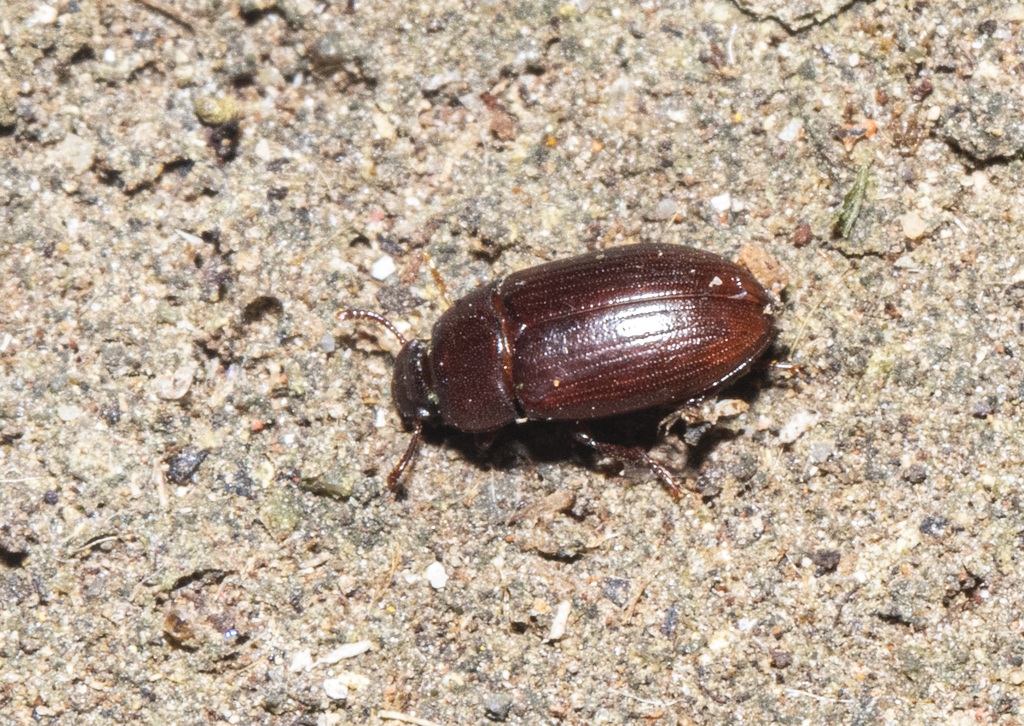
The lesser mealworm (Alphitobius diaperinus) is a pest that often causes significant damage in poultry farm environments. This insect not only damages feed and infrastructure but also has the potential to spread diseases to livestock.
One solution that is gaining attention is the use of natural plant extract-based biopesticides. However, before being widely applied, it is important to assess the feasibility and effectiveness of these natural substances through a series of tests, such as repellency, mortality, and feeding deterrent tests.
- Controlling the Lesser Mealworm with Biopesticides
- Effectiveness of Biopesticides for Controlling the Lesser Mealworm
Controlling the Lesser Mealworm with Biopesticides
The use of biopesticides is increasingly seen as an environmentally friendly solution for controlling pests such as the lesser mealworm (Alphitobius diaperinus). One of the most popular types of biopesticides is essential oils and plant extracts, also known as Plant Essential Oils (PEO) and Plant Extracts (PE). Both are known to contain a variety of natural active compounds capable of suppressing pest populations without leaving harmful residues.
Essential oils and plant extracts contain compounds such as terpenes, phenols, and aldehydes that act in a complex manner. These compounds are not only toxic to insects but can also inhibit feeding, repel pests, and suppress the growth of pathogenic microbes. Due to their multifunctional properties, PEOs and PEs are considered safer for the environment and non-target organisms like humans and livestock.
Some commonly used natural ingredients include neem oil (Azadirachta indica), citronella (Cymbopogon citratus), oregano (Origanum vulgare), and clove (Syzygium aromaticum). Neem oil contains azadirachtin, which acts as an insect growth inhibitor and natural antifeedant. Meanwhile, citronella oil is known for its strong repellent effect against various insect species, including the lesser mealworm.
The mode of action of plant-based biopesticides is quite interesting. Their active compounds can damage the insect’s nervous system by interfering with ion channels and neurotransmitter signaling. Additionally, some extracts damage the insect’s cuticle, disrupt metabolism, and cause oxidative stress, ultimately leading to the insect’s death.
For more:
3 Recommended Pesticide Lab Tests to Pass the Ministry of Agriculture’s Distribution Permit!
Research has shown that extracts from mahogany seeds and papaya seeds have very high repellent and toxic effects against the lesser mealworm. The volatile aroma of both extracts causes the insects to avoid approaching, while their fatty acid content leads to dehydration and death. In laboratory tests, mahogany extract caused 100% mortality of lesser mealworm larvae after 72 hours, while papaya extract resulted in 96% mortality.
Interestingly, besides their toxic and repellent effects, both extracts also have a strong antifeedant effect. The alkaloid, limonoid, and aromatic fatty acid compounds in them cause insects to lose their appetite. Therefore, natural biopesticides are not only effective in killing but also capable of reducing damage sustainably in poultry farm environments.
Effectiveness of Biopesticides for Controlling the Lesser Mealworm
To ensure that biopesticides are truly effective, a series of tests such as repellency, mortality, and antifeedant tests are conducted. These tests are crucial as they help determine how the extracts work against pests comprehensively. Through the results, researchers can assess whether the material is suitable for field application or needs to be reformulated.
Repellency tests aim to see how effective the extract is at repelling insects from the treated area. If insects choose to stay away from the smell of the extract, it indicates that the material has high potential as a natural repellent. This strategy can prevent insects from attacking or laying eggs in the feed and coop areas before a large infestation occurs.
The advantage of repellent effects is their ability to prevent damage without directly killing the insects. This approach also reduces the risk of resistance, which is common with synthetic insecticides. Therefore, repellency tests can be an effective first step for long-term pest control.
Next is the mortality test, which determines the toxicity level of an extract against target insects. The results of this test help calculate the LC₅₀ value or the concentration that can kill 50% of the insect population. This value serves as a reference to assess the potential of the biopesticide and determine safe and efficient doses for field application.
Another important test is the antifeedant test, which is used to determine whether the extract can reduce insect feeding activity. If insects stop feeding, their growth is automatically disrupted, reproduction decreases, and the population can be naturally suppressed.
From these three types of tests, it can be concluded that natural biopesticides have a great potential to be applied in controlling the lesser mealworm. The combination of repellent, toxic, and antifeedant effects provides layered protection against pests. Thus, the use of plant extracts is not only environmentally friendly but also effective in maintaining cleanliness and health in poultry farm areas.
Read more:
The History and Importance of Pesticide Testing in Agriculture
Amid the growing demand for effective and environmentally friendly pest control, plant extract–based biopesticides offer significant potential to address the problem of the lesser mealworm in poultry farming. However, the high mortality rates or repellent effects reported in various studies are only meaningful when proven through measurable and standardized laboratory testing.
Without proper testing, the effectiveness of biopesticides may be inconsistent when applied in the field. Therefore, efficacy testing becomes a crucial step to ensure that plant extracts truly work optimally, safely, and sustainably.
Ensure that the biopesticides being developed have scientifically proven effectiveness and safety. Conduct repellency tests, mortality tests, and antifeedant tests at IML Testing and Research to obtain accurate, comprehensive, and reliable data as a basis for field application of biopesticides.
Author: Dherika
Editor: Sabilla Reza
References:
Tufan-Cetin, O., & Cetin, H. (2025). A Review of Biological and Sustainable Management Approaches for Alphitobius diaperinus, a Major Pest in Poultry Facilities. Vet. Sci, 12(158), 1-26. https://doi.org/10.3390/vetsci12020158.
Widiyaningrum, P., Subekti, N., Ning, S., Laelatul, A., Alya, R.N., Ratu, M.K.R. (2023). Biological Control Test of Poultry pest Alphitobius diaperinus (Coleoptera: Tenebrionidae) with Mahogany and Papaya Seeds Extract. International Journal of Agriculture & Biology, 29(4), 259-264.