Preventing Recall-Related Losses: The Importance of Strategies Microbial Contamination Testing Before Mass-Producing Skincare Products

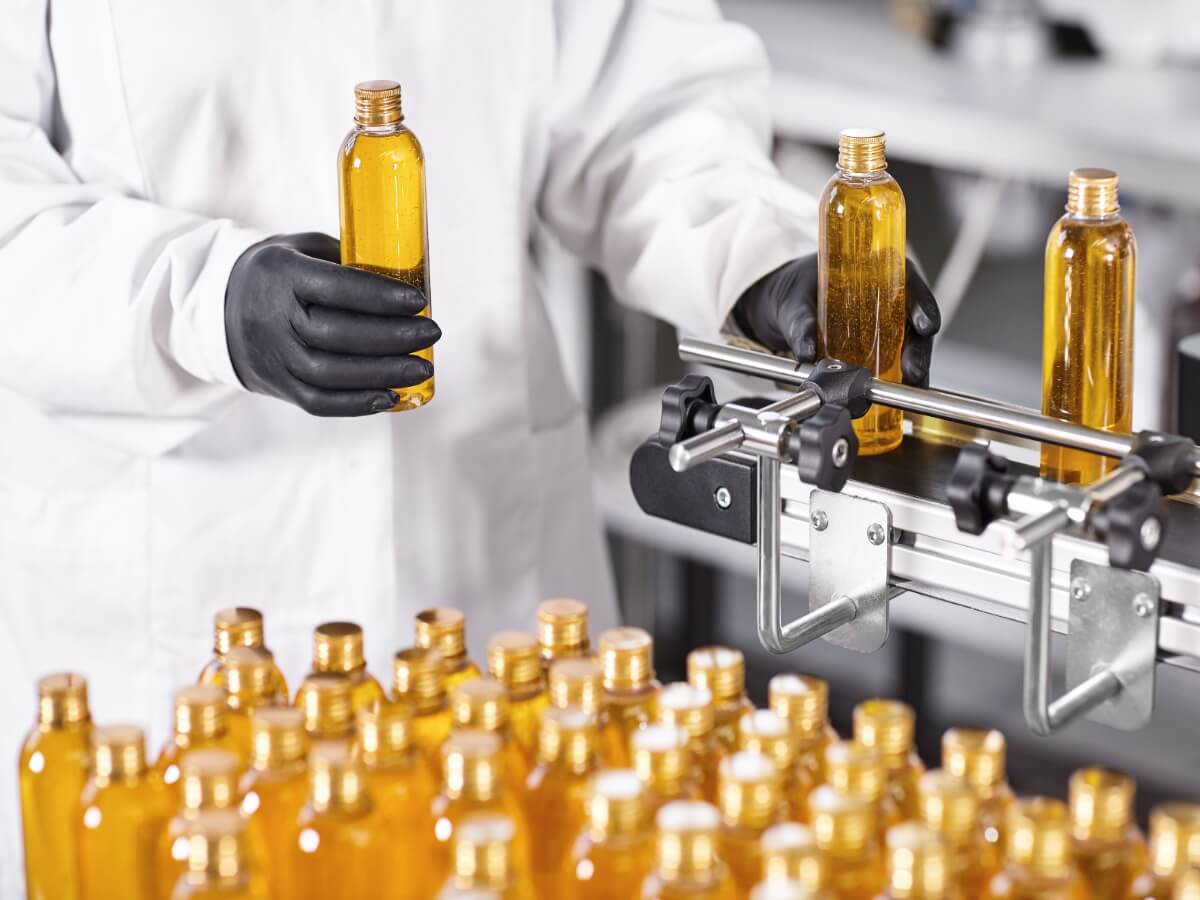
The skincare industry continues to evolve, introducing a wide range of product innovations to meet consumer needs. However, alongside these promising market opportunities, manufacturers also face significant risks concerning product safety and quality; consequently, conducting microbial contamination testing has become a crucial step before products are brought to market.
One risk that is often overlooked is microbial contamination. If left unaddressed, this issue can lead to product recalls, financial losses, and a decline in consumer trust in the brand.
Table of Content:
- When Products Have to Be Recalled from the Market
- Identifying the Root Causes: Where Does Contamination Come From?
- Microbial Contamination Testing and Preservative Efficacy Testing as Preventive Measures
- Its Relationship with Product Stability and Expiration Dates
When Products Have to Be Recalled from the Market
In the skincare industry, there have been cases where products already distributed to the market had to be recalled from various retail stores and sales outlets due to damage, contamination, or failure to meet safety requirements for consumer use. Such situations pose serious challenges for brand owners. Products that have already gone through development, manufacturing, packaging, and distribution processes must be withdrawn from circulation.
In many cases, these products may also need to be destroyed because they are no longer suitable for use or may pose potential risks to consumers. The impact goes beyond losses related to production and distribution costs. Brands must also bear the expenses of product recalls, destruction, retesting, and potential lost sales.
Furthermore, consumer trust, which may have taken years to build, can significantly decline as a result of such incidents, making proactive microbial contamination testing essential to protect brand reputation.
Read Also:
BPOM Cosmetic Testing: What Should Brands Prepare Before Launching Their Products?
Identifying the Root Causes: Where Does Contamination Come From?
When a product recall occurs, manufacturers are responsible for investigating the underlying causes of product deterioration. One potential cause that needs to be examined is microbial contamination.
Microbial contamination testing can occur due to several factors during manufacturing and storage processes, including:
- Unhygienic manufacturing processes. Equipment, raw materials, water, and manufacturing environments that are not properly maintained and sanitized can become sources of microbial contamination in products.
- Improper storage conditions. High humidity or exposure to extreme temperatures can affect product quality and increase the risk of microbial growth.
- Damaged or leaking packaging. Compromised packaging can allow external contaminants to enter and contaminate the product.
Such contamination may cause changes in odor, color, and texture, as well as a decline in overall product quality. Under certain circumstances, harmful microorganisms may also pose risks to consumers’ skin health.
Microbial Contamination Testing and Preservative Efficacy Testing as Preventive Measures
To minimize these risks, manufacturers should conduct laboratory testing before proceeding with mass production. Two essential tests to consider are microbial contamination testing and preservative efficacy testing.
Microbial contamination testing aims to determine the number of microorganisms present in a product and ensure that specific microorganisms do not exceed the established acceptable limits. This testing helps manufacturers evaluate the hygiene of raw materials, manufacturing processes, and overall product safety before market release.
Meanwhile, preservative efficacy testing is conducted to assess the ability of a preservative system to inhibit the growth of microorganisms that may potentially contaminate a product during its use. This test is particularly important for water-based products and products that are repeatedly opened by consumers.
These two tests complement each other. Microbial contamination testing provides an overview of a product’s microbiological quality, while preservative efficacy testing helps ensure that the product’s protective preservative system functions as intended.
Its Relationship with Product Stability and Expiration Dates
Products with well-maintained microbiological quality are better positioned to preserve their quality and safety throughout storage. Test results can serve as a basis for manufacturers to evaluate formulations, preservative systems, storage conditions, and overall product durability.
This is also closely related to determining the product’s expiration date. Expiration dates should not be established based solely on estimates but should be supported by stability testing data and product safety evaluations throughout the intended storage period.
Ensure Your Products Are Ready for Mass Production with IML Testing & Research
Preventing losses caused by product recalls is far better than dealing with problems after products have entered the market. Therefore, manufacturers should ensure that their skincare formulations and product quality have undergone appropriate testing before entering the mass production stage.
IML Testing & Research is here to support manufacturers by providing laboratory testing services, including microbial contamination testing and preservative efficacy testing, as part of efforts to ensure product quality and safety. Consult Your Microbial Testing Now!
Author: Delfia
Editor: Lina
References
Alshehrei, F. M. (2024). Microbiological quality assessment of skin and body care cosmetics by using challenge test. Saudi Journal of Biological Sciences, 31(4), 103965.
Campana, R., Scesa, C., Patrone, V., Vittoria, E., & Baffone, W. (2006). Microbiological study of cosmetic products during their use by consumers: Health risk and efficacy of preservative systems. Letters in Applied Microbiology, 43(3), 301–306. https://doi.org/10.1111/j.1472-765X.2006.01952.x