Beware of Mercury! Here’s How Strategies to Determine Its Content in Products

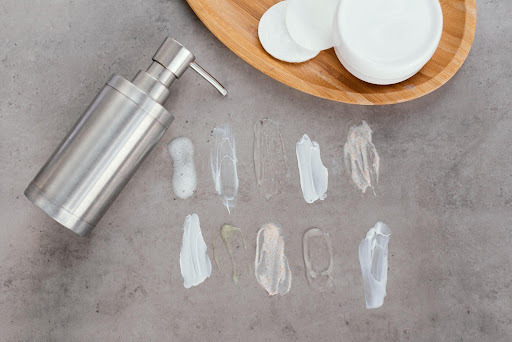
Mercury (Hg) is one of the heavy metals that requires attention when monitoring product safety, particularly in cosmetics. Exposure to mercury can have adverse health effects, while its presence in a product cannot always be identified simply by examining its appearance, color, odor, or texture.
In cosmetic products, the presence of this heavy metal may be associated with the use of non-compliant ingredients or contamination originating from raw materials and the manufacturing process. Therefore, laboratory testing is an important step to ensure that its levels in products meet the applicable requirements.
Table of Content:
- Why Should Mercury in Products Be a Concern?
- How Is Mercury Content Tested in the Laboratory?
- Why Is Mercury Testing Important for Product Safety?
Why Should Mercury in Products Be a Concern?
This element can cause toxic effects when the body is exposed to certain amounts. According to the World Health Organization (WHO), such exposure can affect various organs, including the kidneys and nervous system.”
Skin-lightening products are one product category of particular concern because these compounds may be illegally used to inhibit melanin formation. Another concern is that consumers cannot always identify the presence of this substance based solely on the information provided on product packaging
WHO reports that some skin-lightening products containing mercury may not clearly list mercury among their ingredients. Such products may also be distributed through various channels, including online marketplaces. In Indonesia, requirements for heavy metal contamination in cosmetics are regulated under BPOM Regulation No. 16 of 2024 concerning Contaminant Limits in Cosmetics.
The regulation establishes a maximum limit for this substance in cosmetics of 1 mg/kg or 1 mg/L (1 ppm). Therefore, monitoring its presence is not only related to substances intentionally added to a product but also to the possibility of contamination during the production process.
How Is Mercury Content Tested in the Laboratory?
Accurate determination of mercury content requires appropriate analytical methods performed in a laboratory. One method that can be used is Atomic Absorption Spectrophotometry (AAS).
In principle, the sample is first prepared through an appropriate preparation process so that the target substance in the sample matrix can be analyzed. The instrument then measures the analytical response associated with its presence and concentration.
In addition to AAS, heavy metal analysis can also be performed using Inductively Coupled Plasma (ICP) techniques. BPOM identifies AAS and ICP as examples of methods that can be used to detect heavy metal contamination in cosmetic products.
The selection of an analytical method should consider the type and matrix of the sample, the expected mercury concentration, the required sensitivity, and whether the method has been validated or meets the applicable testing requirements.
Why Is Mercury Testing Important for Product Safety?
Mercury is an important parameter to consider when evaluating cosmetic safety. Since the applicable limit is very low, sensitive analytical methods, appropriate sample preparation, and quality control throughout the testing process are required.
For businesses, heavy metal contamination testing can be an important part of a quality control system to ensure that products meet applicable safety and regulatory requirements.
Ensure Your Products Are 100% Mercury-Free!
Don't compromise on consumer health or your brand's reputation. Trust the safety analysis of your cosmetics and skincare products to IML Testing and Research. Discover our highly accurate and regulatory-compliant laboratory testing services.
Contact our team of experts today and take advantage of our free consultation for your product testing needs!
Author: Elmira
Editor: Lina
References
Badan Pengawas Obat dan Makanan Republik Indonesia. (2024). Peraturan Badan Pengawas Obat dan Makanan Nomor 16 Tahun 2024 tentang Batas Cemaran dalam Kosmetik. Badan Pengawas Obat dan Makanan Republik Indonesia.
Badan Pengawas Obat dan Makanan Republik Indonesia. (2016, April 8). Deteksi cemaran logam berat dalam kosmetika. Badan Pengawas Obat dan Makanan Republik Indonesia.
World Health Organization. (2019). Mercury in skin lightening products. World Health Organization