What Is Dermatological Testing? Understanding Its Meaning Before Buying Skincare Products

Before buying skincare products, many consumers focus only on claims such as safe for sensitive skin, dermatological tested, or suitable for all skin types. However, understanding what dermatology testing is is essential so consumers do not rely solely on product claims without clear evidence.
Dermatological testing helps evaluate product safety when applied to the skin, especially in reducing the risk of irritation, redness, or unwanted reactions. For skincare brands, this test also serves as supporting evidence to build consumer trust and strengthen product credibility in the market.
Table of content:
- The Rising Prevalence of Sensitive Skin Worldwide
- Sensitive Skin Requires a Different Approach to Care
- Why Should Products for Sensitive Skin Undergo Dermatological Testing?
- What Happens During Dermatological Testing?
- The Importance of the “Dermatologist Tested” Label
The Rising Prevalence of Sensitive Skin Worldwide
Sensitive skin has become an increasingly common skin condition across the globe. Interestingly, many people are unaware that they have sensitive skin. Burning, itching, stinging, or redness after using skincare products are often perceived as normal reactions, when in fact these symptoms may indicate that the skin has a higher level of sensitivity than average.
In general, sensitive skin refers to a condition in which the skin reacts excessively to various factors that may not cause problems for others. These reactions can include burning sensations, stinging, itching, tightness, and visible redness.
Sensitive skin does not necessarily mean thin or easily peeling skin. A person may appear to have normal skin while still experiencing discomfort when exposed to certain ingredients, weather changes, pollution, stress, or overly harsh skincare products.
According to a meta analysis published in 2020, approximately 71% of the global population reported having sensitive skin. This finding highlights that sensitive skin is far from a rare condition. In fact, its prevalence continues to increase due to modern lifestyle changes, environmental pollution, smoking habits, alcohol consumption, hormonal fluctuations, and psychological factors such as stress.
Read also:
The Rising and Falling Dollar and Its Impact on Skincare Active Ingredients
Sensitive Skin Requires a Different Approach to Care
Because it exhibits a higher degree of reactivity, sensitive skin requires a different skincare approach compared to normal skin. Ingredients that are generally well tolerated by normal skin may not be suitable for sensitive skin.
Some ingredients that individuals with sensitive skin should pay close attention to include Sodium Lauryl Sulfate (SLS), high concentrations of alcohol, synthetic fragrances, certain essential oils, and active ingredients used at excessively high concentrations without accompanying soothing agents. In some individuals, these substances may trigger irritation, redness, burning sensations, or damage to the skin barrier.
Furthermore, the primary goal of sensitive skin care is not only to address specific skin concerns but also to maintain and restore the skin barrier. As a result, products formulated for sensitive skin typically contain ingredients that help retain moisture, strengthen the skin barrier, and reduce the risk of inflammation. This approach differs from normal skin care, as normal skin generally has a higher tolerance for a wider range of active ingredients.
Why Should Products for Sensitive Skin Undergo Dermatological Testing?
As the number of consumers with sensitive skin continues to grow, so does the demand for skincare products that are both safe and comfortable to use. In this context, dermatological testing plays a crucial role.
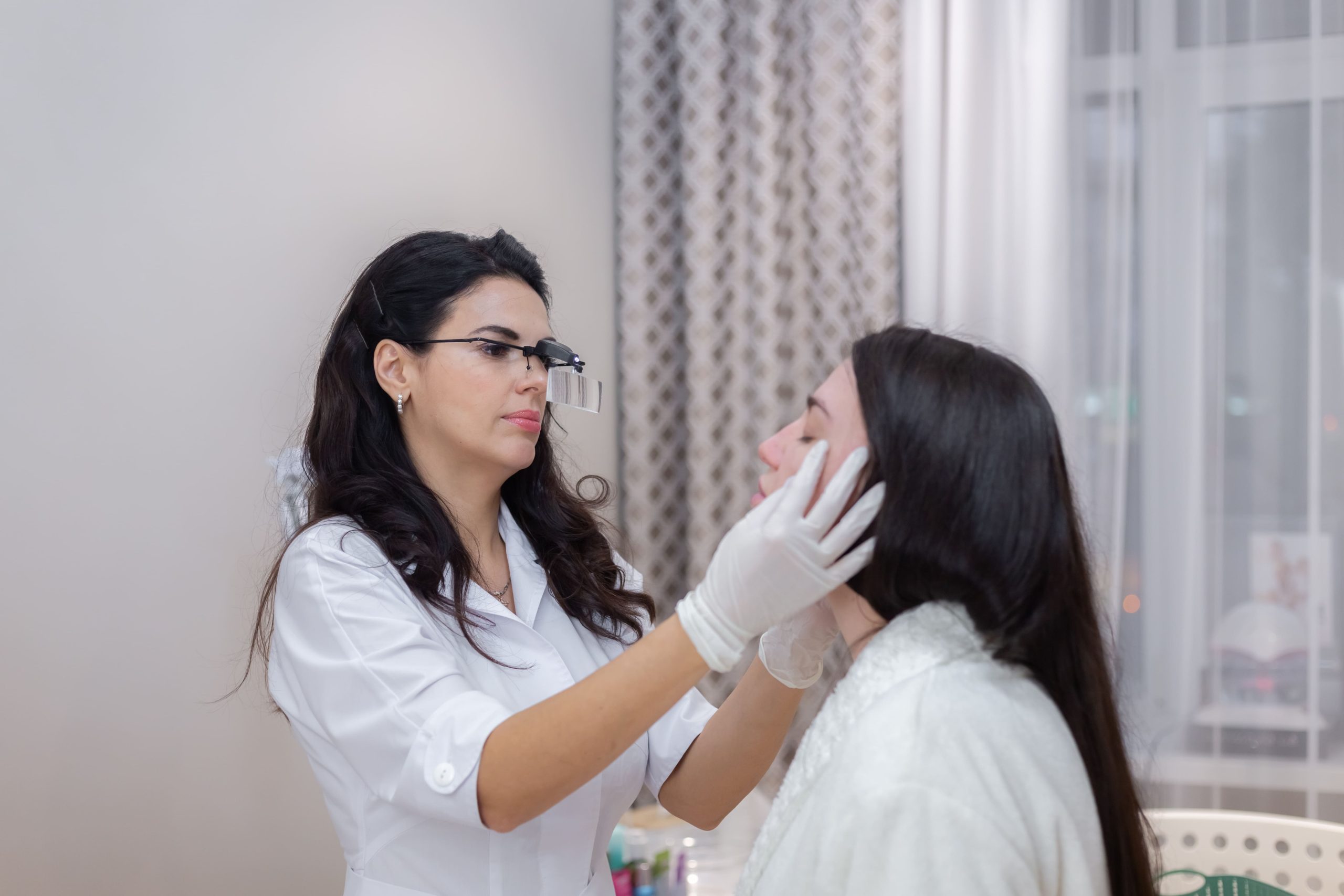
Dermatological testing is an evaluation process conducted under the supervision of dermatologists or qualified skincare professionals. Its primary purpose is to assess the safety of a product when applied to human skin, particularly its potential to cause irritation, redness, or other adverse reactions.
Products that have undergone dermatological testing generally provide a higher level of confidence that their formulations have been scientifically evaluated before being introduced to the market. This is especially important for individuals with sensitive skin, who are at a greater risk of experiencing negative reactions to skincare products.
What Happens During Dermatological Testing?
Many consumers assume that dermatological testing simply involves reviewing a product’s ingredient list. In reality, the process is much more comprehensive.
At the initial stage, experts evaluate the ingredients used in the product formulation. They assess whether any of the ingredients have the potential to cause irritation or allergic reactions among specific user groups.
The product is then tested on human volunteers according to established research protocols. One commonly used method is patch testing, which helps determine whether reactions such as redness, itching, burning sensations, or swelling occur after the product is applied to the skin for a designated period.
In more comprehensive studies, researchers may also assess various physiological skin parameters. These can include transepidermal water loss (TEWL), hydration levels of the outermost skin layer, natural sebum production, and skin redness levels.
Such measurements allow researchers to determine whether a product helps maintain the skin barrier or potentially disrupts sensitive skin function. In addition to safety assessments, some dermatological tests also evaluate a product’s effectiveness in improving skin hydration, strengthening the skin barrier, and reducing discomfort commonly experienced by individuals with sensitive skin.
The Importance of the “Dermatologist Tested” Label
With countless skincare products available on the market, consumers often find it difficult to determine which products are truly safe to use. In this situation, the “dermatologist tested” label serves as an important indicator that a product has undergone a safety evaluation process.
Although this label does not guarantee that a product will be suitable for every individual, it demonstrates that the product has been tested using specific methods under the supervision of qualified professionals. This provides additional reassurance compared to products that have not undergone similar evaluations.
For consumers, particularly those with sensitive skin, this information can help reduce uncertainty when selecting skincare products. The trust associated with a dermatologist-tested product is not based solely on marketing claims but also on a testing process designed to assess product safety for human skin.
Conclusion
Sensitive skin is a highly prevalent condition that can affect anyone, including individuals who may not even realize they have it. It is characterized by symptoms such as stinging, itching, burning sensations, and redness triggered by environmental factors or skincare products.
Because sensitive skin requires more careful management, skincare products should not be selected arbitrarily. Products that have undergone dermatological testing offer greater assurance that their safety has been scientifically evaluated.
Therefore, the dermatologist tested label is more than just a marketing claim it is an important consideration that can help consumers, especially those with sensitive skin, choose skincare products that are safer and better suited to their skin’s needs.
If you are a skincare brand that wants to earn more trust from consumers, don’t rely only on claims written on the packaging. Make sure your product safety claims are supported by proper testing.
With IML Testing and Research, you can test your products professionally to strengthen your brand credibility and give potential buyers more confidence.
Author: Delfia
Editor: Alphi
References
Dung, L. H., Do, Azizi, N., & Maibach, H. (2019). Sensitive Skin Syndrome: An Update. American Journal of Clinical Dermatology, 21(3), 401–409.
Su, Z., Zheng, Y., Yi, J., Lai, W., & Ye, C. (2025). The Effectiveness and Safety of a Skin Care Product With Centella asiatica Leaf Extract, Ceramide NP, and Panthenol in Subjects With Sensitive Skin: A Prospective, Observational Study. Journal of Cosmetic Dermatology, 24(7), e70324.