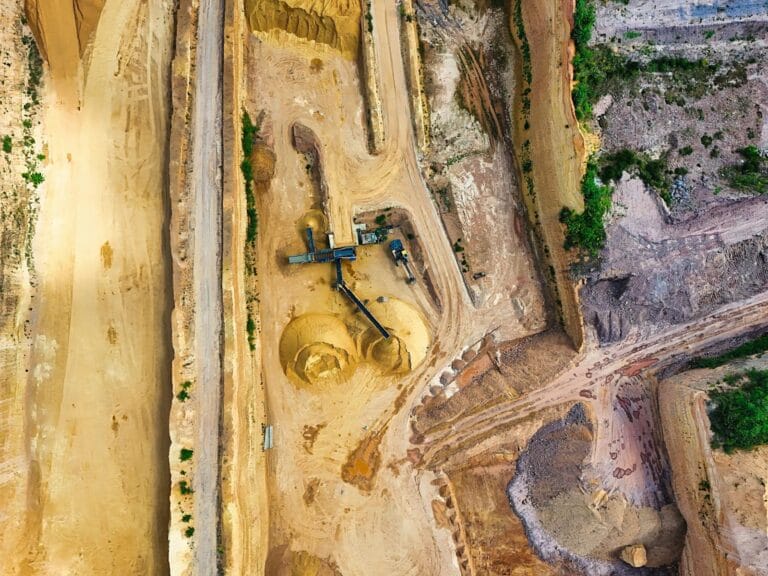
Oral Toxicity Testing of Coal Mining Samples to Assess Safety and Potential Risks

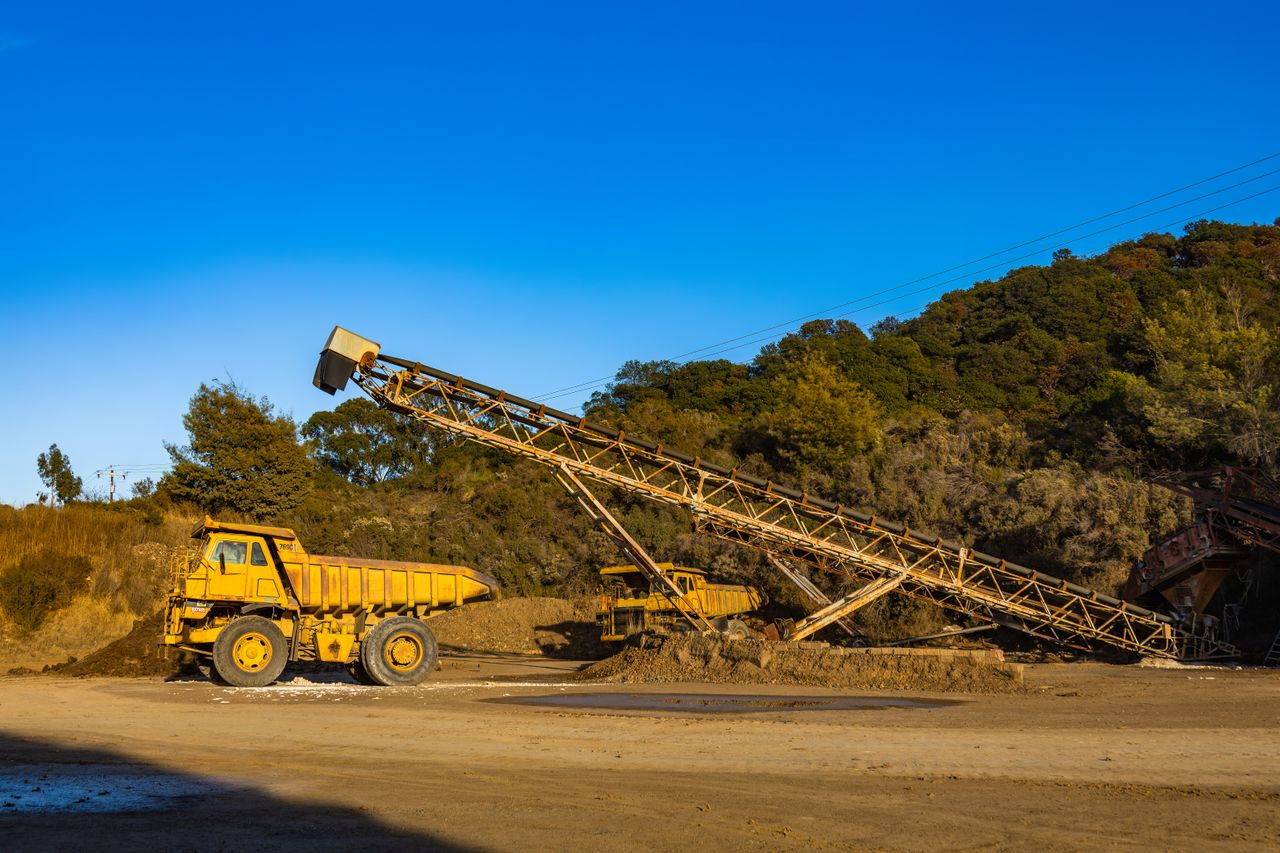
Coal mining is an important industrial sector that produces various materials with diverse physical and chemical characteristics. In addition to coal as the primary product, mining, processing, and utilization activities can generate dust, residues, ash, and other byproducts.
The composition of these materials may vary depending on the coal source, geological conditions, processing methods, and handling processes. Because each material may have different characteristics, safety evaluation is an important part of managing and utilizing materials associated with coal mining.
One approach that can be used to obtain information about the potential hazards of a material is oral toxicity testing. Oral toxicity testing of coal mining samples can provide information about the biological response to a material following exposure through the oral route.
This information can serve as one component of hazard evaluation and risk assessment, particularly when oral exposure is considered a relevant exposure pathway.
Table of Content:
- What Is Oral Toxicity Testing?
- Why Should Coal Mining Samples Be Tested?
- Types of Coal Mining Samples That Can Be Evaluated
- Objectives of Oral Toxicity Testing for Coal Samples
- Parameters That Can Be Observed
- The Importance of Sample Characterization
- The Importance of Selecting an Appropriate Testing Method
- Toxicity Testing as Part of Risk Assessment
- Benefits of Toxicity Testing for the Mining Industry
- Why Choose a Competent Testing Laboratory?
What Is Oral Toxicity Testing?
Oral toxicity testing is a toxicological evaluation designed to assess the potential adverse effects of a substance or material following exposure through the oral route. The testing can provide information about the potential toxicity of a material and the biological response under defined exposure conditions.
In the mining industry, oral toxicity testing can be part of the safety evaluation of coal and coal related materials. The study design and testing procedures should be selected according to the characteristics of the sample, the purpose of the study, and the type of toxicological information required.
Read Also:
Potential Dangers of Heavy Metal Contamination in Coal-Mine Used Land for Humans
Why Should Coal Mining Samples Be Tested?
Materials originating from coal mining activities may have complex compositions. Certain coal related materials, particularly byproducts such as ash, may contain various elements and mineral components.
Their characteristics can be influenced by the coal source and the processes involved in their formation. Previous studies have reported that coal based materials may contain metals, metalloids, silica, and other components that should be considered when evaluating material safety.
The composition and potential hazards can vary considerably between different materials. Therefore, obtaining toxicological data directly from the material intended for use or handling can provide more specific information about its potential hazards.
Toxicity testing can complement physical and chemical characterization, allowing material safety to be evaluated from multiple perspectives.
Types of Coal Mining Samples That Can Be Evaluated
Oral toxicity testing may be considered for various materials associated with coal mining and coal processing, depending on the purpose of the study. These materials may include coal samples, processed coal materials, coal dust or particulate matter, fly ash, bottom ash, processing residues, and other coal derived materials.
Each material has unique characteristics. Therefore, sample preparation and study design should be appropriately adjusted to the properties of the material being evaluated.
Objectives of Oral Toxicity Testing for Coal Samples
One of the main objectives of oral toxicity testing is to obtain information about the potential adverse effects following exposure through the oral route. The resulting data can contribute to hazard assessment and support the broader risk assessment process.
Toxicity testing can also provide scientific data for research and development, material evaluation, byproduct assessment, and safety documentation. However, toxicity results should be interpreted carefully.
Toxicity data describe the potential for adverse effects under the conditions of the study, whereas actual risk is also influenced by exposure level, exposure frequency, exposure duration, route of exposure, and the characteristics of the exposed organism or population.
Parameters That Can Be Observed
The parameters observed during oral toxicity testing depend on the purpose and design of the study. Observations may include general condition, changes in body weight, specific clinical responses or signs, survival, and other relevant assessments according to the study requirements.
These observations are conducted over a defined period so that changes in the condition of the test organism can be systematically recorded. The resulting data can then be evaluated to determine the biological response to the tested material.
The selection of parameters should consider the characteristics of the sample and the objectives of the study to ensure that the resulting data are relevant and useful.
The Importance of Sample Characterization
Before conducting oral toxicity testing, sample characterization can be an important step. This is particularly relevant for mining materials because their composition can be complex and variable.
Characterization can provide information about the physical and chemical properties of the material used in the study. Such information can provide important context when interpreting toxicological findings.
For materials such as coal and its byproducts, information about chemical and mineral composition can also help researchers understand possible relationships between material characteristics and biological responses observed during testing.
The Importance of Selecting an Appropriate Testing Method
The testing method should be selected based on the objectives of the study, sample characteristics, and the type of toxicological information required. A well designed study can help generate data that are more relevant, reliable, and scientifically defensible.
Consultation before testing is important to determine an appropriate study design. Discussions may include the type and quantity of sample, material characteristics, testing objectives, available toxicological information, and reporting requirements.
Good study planning can help ensure that the testing process is efficient and that the resulting data meet the intended evaluation objectives.
Toxicity Testing as Part of Risk Assessment
It is important to distinguish between hazard and risk. A material may have toxic properties, but the actual level of risk depends on how, how often, and to what extent an organism is exposed to the material.
Oral toxicity data can contribute to hazard assessment. These data can then be considered together with exposure information, material characteristics, chemical data, and other relevant information to provide a more comprehensive risk assessment.
A data driven approach is important when evaluating materials associated with coal mining and processing activities.
Benefits of Toxicity Testing for the Mining Industry
For mining companies, processing industries, and businesses utilizing coal derived materials, toxicological data can strengthen scientific documentation related to material safety. Testing results may support research and development, material evaluation, safety studies, and risk assessment activities.
Toxicological data can also be considered together with chemical and environmental testing results to provide a more comprehensive understanding of the material. However, the interpretation of results should always consider the study design and the limitations of the data obtained.
Results from a single type of toxicity test cannot necessarily represent all possible exposure routes.
Why Choose a Competent Testing Laboratory?
Toxicity testing requires appropriate facilities, documented procedures, competent personnel, and reliable systems for data recording and management. An experienced laboratory can assist in determining an appropriate testing design based on the objectives of the study and characteristics of the sample.
Consultation before testing can also help ensure that the sample, supporting information, and testing requirements are properly prepared. For complex materials such as mining samples, effective communication between the sample owner and the laboratory is important to ensure that the study is appropriately designed.
Conclusion
Oral toxicity testing of coal mining samples is an important approach for obtaining information about the potential hazards of materials following oral exposure. Testing may be considered for coal as well as related materials such as coal dust, fly ash, bottom ash, and other coal derived materials, depending on the objectives of the study.
Because coal and its byproducts can have complex and variable compositions, toxicological testing should ideally be considered together with material characterization and relevant exposure information.
Obtaining appropriate toxicological data can provide companies with additional scientific information to support safety evaluation, hazard assessment, and risk assessment of coal mining materials.
Conduct Oral Toxicity Testing with IML Research
Ensure that the toxicological characteristics of your coal mining samples are evaluated through testing that is appropriate for your study objectives. IML Research can support your toxicological testing and material safety evaluation needs.
Discuss your sample type, testing objectives, material characteristics, and data requirements with the IML Research team to help determine an appropriate testing approach. Want to understand the potential toxicity of your coal mining sample? Contact IML Research for consultation and oral toxicity testing.
Get more information about testing requirements, sample preparation, and study design tailored to your needs.
Author: Indah
Editor: Lina
References
Borm, P. J. A. (1997). Toxicity and occupational health hazards of coal fly ash: A review of data and comparison to coal mine dust. The Annals of Occupational Hygiene, 41(6), 659–676.
Wang, N., et al. (2020). Leachability and adverse effects of coal fly ash: A review. Journal of Hazardous Materials.
Gopinathan, P., et al. (2022). Geochemical, mineralogical and toxicological characteristics of coal fly ash and its environmental impacts. Chemosphere.