Microorganism in Cocoa Fermentation Is a Key for Chocolate Flavour and Aromatic Production


Theobroma cacao (cocoa tree) is the main source of cocoa production. Indonesia is one of the world's major cocoa producers, with production reaching 667,300 tons in 2022.
The Importance of Fermentation in Cocoa Processing
Fermentation is a critical stage in cocoa bean processing, as it plays a vital role in shaping the flavor and aroma of chocolate. The primary objectives of fermentation are to reduce bitterness and astringency, develop precursor compounds essential for chocolate flavor, facilitate the separation of beans from the pulp, prevent seed germination, and enhance the overall quality of the final product. There are two main fermentation techniques used in cocoa processing: natural fermentation and controlled fermentation.
Natural Fermentation occurs without the introduction of external microorganisms, relying instead on the natural microbial population present in the environment and on the cocoa beans themselves. Typically, cocoa beans are covered with banana leaves or placed in wooden boxes to facilitate fermentation. The advantages of natural fermentation is that this technique preserves the unique flavor profile of cocoa from different regions due to its reliance on indigenous microbes.
It is also cost-effective, as it does not require advanced technology or special treatment. But, the inconsistency in microbial composition can lead to variations in cocoa bean quality. Incomplete fermentation may result in an undesirable sour taste, and the beans are more susceptible to contamination by unwanted microorganisms. Controlled Fermentation involves the addition of specific starter cultures, such as yeasts, lactic acid bacteria, and acetic acid bacteria, to ensure a more predictable and uniform process.
Key parameters such as temperature, pH, and fermentation duration are carefully monitored to optimize the outcome. This method provides greater consistency in cocoa bean quality, allows for the development of specific flavors and aromas, and reduces the risk of contamination by harmful microorganisms. However, it requires specialized technology, incurs higher production costs, and may reduce the complexity of natural flavors that spontaneous fermentation can produce.
The Role of Microorganisms in Cocoa Fermentation

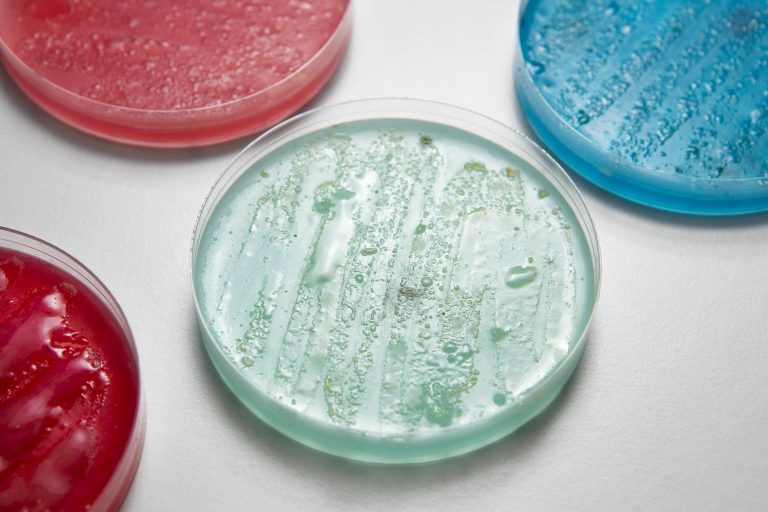
The fermentation process is driven by a series of biochemical reactions facilitated by various microorganisms, particularly yeasts, lactic acid bacteria, and acetic acid bacteria. Fermentation occurs in two main stages, namely microbial activity in the pulp and on the bean surface and hydrolytic reaction within the cotyledon. At the initial stage, the pulp surrounding the cocoa beans creates anaerobic conditions by preventing oxygen penetration.
This favors the growth of yeasts, including Saccharomyces cerevisiae, Candida sp., and Pichia sp., which break down sugars in the pulp into ethanol and carbon dioxide. The resulting liquefaction of the pulp allows oxygen to enter. As oxygen becomes more available, it promotes the growth of lactic acid bacteria such as Lactobacillus plantarum and Lactobacillus fermentum, which convert glucose into lactic acid, increasing the acidity of the environment.
Further oxygen exposure supports the proliferation of acetic acid bacteria (Acetobacter aceti and Acetobacter pasteurianus). These bacteria metabolize the ethanol produced by yeast, transforming it into acetic acid. The acetic acid penetrates the cocoa beans, triggering enzymatic reactions that develop key aromatic compounds.
Read more:
5 Extreme Bacteria That Survive in Extreme Environments
As fermentation progresses, the temperature rises to 45–50°C, and the cocoa bean environment becomes increasingly acidic. These conditions kill the cocoa bean embryo, preventing germination and finalizing the transformation of raw beans into high-quality cocoa ready for drying and roasting. By understanding the microbial succession, enzymatic reactions, and key fermentation parameters, it is possible to optimize fermentation conditions to produce cocoa beans with superior quality and desirable chemical properties.
Further studies are necessary to explore region-specific microbial populations, as different cocoa-producing areas may harbor unique microbial communities that contribute to distinct flavor characteristics. A better understanding of these microbial interactions will allow for more effective control of the fermentation process, ultimately leading to higher-quality cocoa for the chocolate industry. Each batch of cocoa reflects the quality of the process behind it, especially at the fermentation stage.
However, without clear data, it is difficult to determine whether the process is optimal or still has untapped potential. Understanding the microorganisms involved in fermentation is important to maintain consistency of taste and aroma. This is not only about quality, but also about competitiveness in the market. For those of you who want to improve quality sustainably, laboratory fermentation testing can be a strategic first step. Because in the cocoa industry, the best decisions are based on data, not assumptions.
Author: Safira
Editor: Sabilla
References:
Bisip.bsip.pertanian. 2025. Kakao Indonesia: Produksi, Tantangan dan Peluang. Tersedia: https://bisip.bsip.pertanian.go.id/berita/kakao-indonesia-produksi-tantangan-dan-peluang?utm_source=chatgpt.com, diakses pada 30 Januari 2024.
De Vuyst, L. & Leroy, F. 2020. Functional role of yeasts, lactic acid bacteria and acetic acid bacteria in cocoa fermentation processes. FEMS Microbiology Reviews, 44(4): 432-453.Ordoñez-Araque R.H., Landines-Vera E.F., Urresto-Villegas J.C., Caicedo-Jaramillo C.F. 2020. Microorganisms during cocoa fermentation: systematic review. Foods and Raw Materials, 8(1):155–162. DOI: http://doi.org/10.21603/2308-4057-2020-1-155-162.