How Do Acne-Causing Bacteria Trigger Skin Inflammation?


Acne isn’t just a cosmetic issue; it’s also a reflection of the condition of your skin’s microbiome. One important factor triggering acne is the activity of certain bacteria that live on your skin. This article will help you learn more about acne-causing bacteria, how they work, and how to manage them to maintain healthy skin.
Who is Acne-Causing Bacteria?
A balanced skin microbiome is a sign of healthy skin. When this balance is disrupted, various skin conditions, including inflammation, may occur. Bacteria commonly found on the skin surface include Corynebacteria, Propionibacteria, and Staphylococci. Propionibacterium acnes has been reported to play a role in several medical conditions, such as prostate cancer, sarcoidosis, infective endocarditis, and acne, the latter being the main focus of this article.
P. acnes is a Gram-positive, non-spore-forming bacterium that thrives in anaerobic conditions. It is actually part of the normal skin microbiota and coexists with P. avidum, P. granulosum, and P. humerusii. Sequencing studies have revealed that this bacterium possesses genes encoding metabolic enzymes that help it survive in microaerophilic conditions. Additionally, P. acnes produces lipase, which degrades lipids in the pilosebaceous follicle to generate energy.
Research has also found that P. acnes has specific lipase genes responsible for producing triacylglycerol lipase and lysophospholipase, which break down sebum. For this reason, its taxonomic classification has been revised, and P. acnes has been renamed Cutibacterium acnes to distinguish it from other Propionibacteria species.
The Role of P. acnes in Acne Formation
As a normal component of the skin flora, P. acnes is found on both acne-prone and non-acne-prone individuals. However, in acne-affected skin, P. acnes can make up more than 30% of the facial microbiota. Although the quantity of P. acnes does not differ significantly between acne patients and individuals without acne, different phylotypes of P. acnes exhibit distinct genetic and phenotypic characteristics that influence acne development.
Some P. acnes phylotypes form biofilms, which increase bacterial adhesion within sebaceous follicles and worsen inflammation. Furthermore, P. acnes interacts with the body’s innate immune system by activating Toll-like receptors (TLRs). This activation triggers the release of pro-inflammatory cytokines and porphyrins, leading to redness and swelling in acne lesions.
Another factor contributing to acne is the production of lipase enzymes by P. acnes, which break down sebum and generate free fatty acids. These compounds can cause irritation and inflammation in hair follicles. Additionally, P. acnes can stimulate sebaceous gland activity through the corticotropin-releasing hormone (CRH) pathway, increasing sebum production. The excess sebum creates an ideal environment for P. acnes to thrive, further exacerbating acne.
How To Treat Acne

Souce photo: Pexel
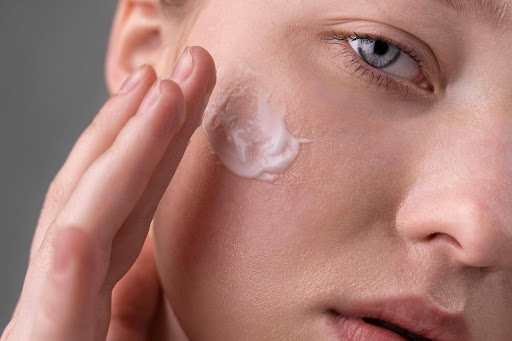
Preventing and treating acne and P. acnes can be achieved through various methods, including photodynamic therapy, antibiotic use, and skincare treatments. Photodynamic Therapy (PDT) is recommended for severe acne cases, utilizing light and a photosensitizing agent such as aminolevulinic acid (ALA) or methyl aminolevulinate (MAL) to destroy acne cells and P. acnes. Antibiotics can also help reduce inflammation and regulate sebum production, often used in combination with retinoids or other agents.
However, due to increasing antibiotic resistance in P. acnes, careful use of antibiotics is necessary. Skincare products with active ingredients can also effectively control P. acnes and acne. Benzoyl peroxide works by releasing oxygen that kills anaerobic bacteria.
Salicylic acid exfoliates the skin and clears pores by removing excess oil and debris. Retinol/retinoids accelerate skin cell turnover and help prevent clogged pores. Niacinamide reduces inflammation and speeds up the healing of acne scars, while tea tree oil provides natural antibacterial properties that combat P. acnes. By using the right combination of treatments, acne can be controlled, and the risk of inflammation caused by P. acnes can be minimized.
Read more:
Niacinamide VS Arbutin, which one is more effective?
If acne persists or worsens, consulting a dermatologist is highly recommended for more specialized treatment. Ensure your skincare products are tested to be safe and prevent the growth of acne-causing bacteria. Conduct laboratory testing to obtain comprehensive, accurate, and reliable results, ensuring the products you market are truly safe for consumers’ skin.
Author: Safira Prisya
Editor: Sabilla Reza
References:
Mayo Clinic. 2025. Acne. Tersedia: https://www.mayoclinic.org/diseases-conditions/acne/diagnosis-treatment/drc-20368048?utm_source=chatgpt.com, diakses pada 19 Febuari 2025.
Platsidaki, E., & Dessinioti, C. 2018. Recent advances in understanding Cutibacterium acnes (Propionibacterium acnes) in acne [version 1; referees: 2 approved]. F1000Research, 7, 1953. https://doi.org/10.12688/f1000research.15659.1.