Mandatory Halal Certification October 2026: What Cosmetic Manufacturers Must Prepare

The countdown has begun. Starting October 17, 2026, all cosmetic products entering, circulating, and being traded in Indonesian territory must hold halal certification a policy affirmed by the Halal Product Assurance Organizing Agency (BPJPH) as part of the phased national halal certification obligation based on Law No. 33 of 2014 concerning Halal Product Assurance.
With only months remaining, many cosmetic manufacturers from established brands to small and medium enterprises still do not fully understand what needs to be prepared, where to begin, and what the real consequences are for missing this deadline.
This is not merely an administrative change. Not having halal certification after October 17, 2026 is not simply an administrative issue it represents real potential losses, including written warnings, administrative fines, and product recalls that can result in inventory write offs and send a company's financial statements into the red.
For cosmetic manufacturers who want to remain competitive, operate legally, and capitalize on global halal market momentum fully understanding the halal cosmetics certification roadmap is a strategic investment that cannot be delayed.
Table of content :
- Regulations and Deadlines Every Manufacturer Must Know
- Halal Critical Points in Cosmetics: More Complex Than Expected
- The Role of Laboratory Testing in Halal Certification
- Stages of Halal Cosmetics Certification
- Halal Certificate: A Regulatory Obligation and a Business Opportunity
Regulations and Deadlines Every Manufacturer Must Know
The BPJPH halal certification obligation has been enforced since October 17, 2024 in its first phase covering food and beverage products, as well as slaughter products and services. The second phase, which includes cosmetic products, will conclude on October 17, 2026. The legal foundation is clear: Law No. 33 of 2014 concerning Halal Product Assurance, strengthened by Government Regulation No. 42 of 2024 on the implementation of the halal product assurance sector.
BPJPH Head Ahmad Haikal Hasan has emphasized that implementing halal compliance now is critically important beyond fulfilling regulatory requirements, it also serves as a strategy for strengthening Indonesia's business ecosystem. For cosmetic manufacturers, this means the certification process must begin immediately, as the procedure requires considerable time to complete.
Halal Critical Points in Cosmetics: More Complex Than Expected
Compared to food products, cosmetics carry significantly more complex halal critical points due to the diversity of their raw materials. There are two main areas of concern regarding halal critical points in cosmetics: first, raw materials must be thoroughly traced through the audit process to determine whether they contain any impure or non halal materials; and second, from the laboratory testing side, whether the product is waterproof or not.
More specifically, the criticality of ingredients varies: plant based materials are generally safe but can be problematic if mixed with additives such as ethanol; synthetic materials' halal status depends on their starting materials and production process; human derived materials such as keratin, albumin, and placenta are clearly prohibited; microbial materials are critical if the growth media or processing aids are derived from prohibited substances; and animal derived materials require strict supervision depending on the type of animal and slaughter method.
Critical points in cosmetics and skincare specifically include collagen, placenta, and solvent alcohol.
The Role of Laboratory Testing in Halal Certification
This is where laboratory testing becomes an indispensable component of the halal cosmetics certification process. In the halal certification process, for certain products, samples are taken for laboratory testing including ethanol testing, porcine DNA testing for animal derived ingredients, and waterproofness testing for cosmetic products. All of these tests aim to ensure that the product complies with MUI fatwa provisions and applicable regulations.
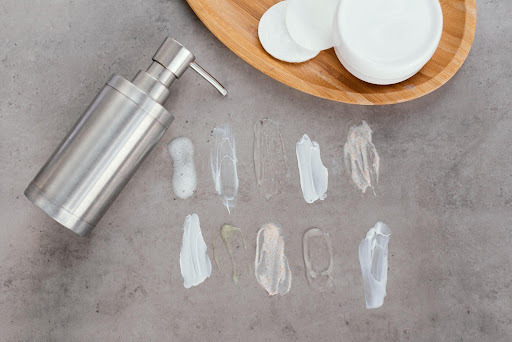
The Halal Inspection Body (LPH) will almost certainly require laboratory testing for porcine DNA free (Porcine Free) status for cream or gel products. Additionally, a uniform understanding of halal regulations accelerates the document collection process from suppliers including Halal Certificates, MSDS, Certificates of Analysis (COA), and porcine free declarations making the certification process run more efficiently.
Stages of Halal Cosmetics Certification
For manufacturers who have not yet begun the certification process, understanding the full workflow is the critical first step. Before proceeding to halal certification, cosmetic products must hold BPOM notification covering safety, quality, and Good Cosmetic Manufacturing Practice (CPKB) requirements without complete BPOM documentation, the halal application will be delayed.
Required documents include a Business Registration Number (NIB) and business license, a list of raw materials with their sources, product formula and certificate of analysis, and BPOM registration or notification proof. Once documentation is complete, manufacturers submit an application to BPJPH through the SIHALAL system, followed by an audit process by the LPH covering raw material review, production facility inspection, and laboratory testing where required.
Companies are also required to implement a Halal Product Assurance System (SJPH) as a demonstration of ongoing commitment to halal regulatory compliance.
Read also:
Mercury in Cosmetics: The Hidden Danger Behind the Promise of Brighter Skin
Halal Certificate: A Regulatory Obligation and a Business Opportunity
Behind the complexity of this regulation lies a far greater business opportunity. A halal certificate is a “global passport” for a product by holding a BPJPH recognized certificate, products command higher market value, win domestic consumer trust, and open doors to the global Muslim market worth trillions of dollars.
The 2026 halal regulation opens significant opportunities cosmetic products holding halal certificates tend to be more trusted by consumers and have broader expansion potential in the global halal market. In an increasingly competitive cosmetics industry, a halal certificate is no longer merely a regulatory obligation it is a genuine and sustainable competitive differentiator.
Halal Deadline October 2026 Is Almost Here
Does your cosmetic product already have the laboratory test data required for the halal certification process including porcine DNA testing, ethanol testing, waterproofness testing, and raw material Certificates of Analysis? With only months remaining before the October 17, 2026 deadline, there is no time to wait.
IML Testing & Research is ready to support cosmetic manufacturers in preparing the laboratory test data required by LPH and BPJPH using standardized analytical methods and delivering results that can serve as official documentation in the halal certification process. Consult your halal cosmetics testing needs today before the deadline forces you into a last minute rush.
Author & Editor: Alphi
References
Law No. 33 of 2014 concerning Halal Product Assurance (Indonesia).
Government Regulation No. 42 of 2024 on the Implementation of the Halal Product Assurance Sector.
BPJPH. (2025). Welcoming Mandatory Halal October 2026: BPJPH Head Calls for Halal Order. bpjph.halal.go.id
LPPOM MUI. (2025). Halal Cosmetics 2026: Critical Points and Certification Strategy. halalmui.org
Kumparan. (2025). Understanding Halal Critical Points in Product Certification. kumparan.com
Ministry of Industry Indonesia. (2026). Accelerating Consumer Goods Industry to Meet Halal Certification 2026. indonesiaupdate.id