From Injection to Immunity: How Vaccines Protect Your Body

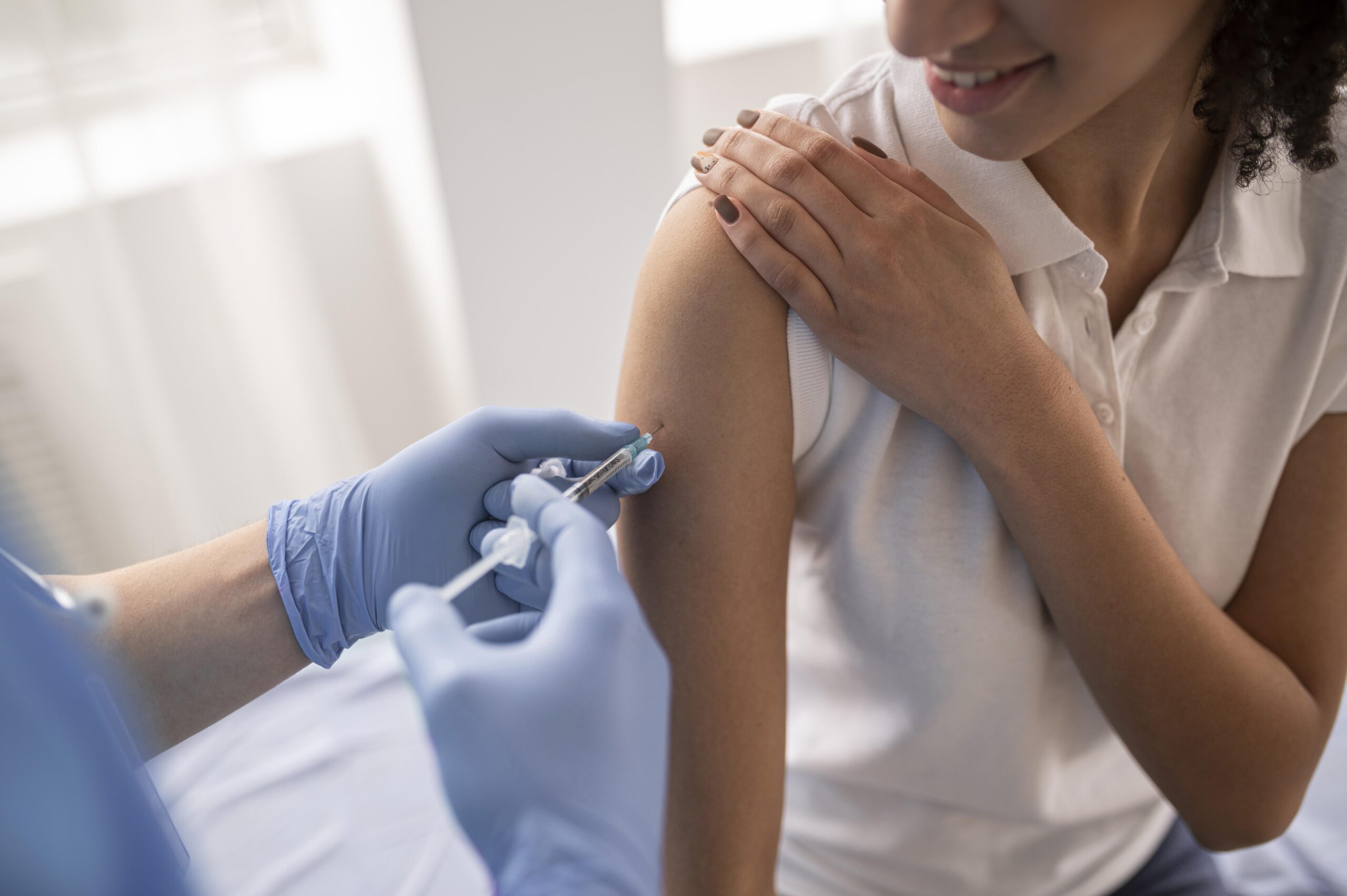
Infectious diseases remain one of the major global health challenges. Numerous outbreaks throughout history have demonstrated the importance of effective preventive measures.
One of the most successful strategies in reducing mortality rates is vaccination. Thanks to vaccines, many dangerous diseases such as smallpox, polio, measles, and others can be prevented.
This raises an important question: how do vaccines actually work inside the body? Why does the body become immune after vaccination? To understand this, it is necessary to first become familiar with the body’s natural defense system, known as the immune system.
Table of Content :
The Human Immune System
The immune system acts as a “soldier” responsible for protecting the body from disease. Its main function is to fight disease causing microorganisms (pathogens) such as bacteria, viruses, parasites, and fungi, and to remove them from the body.
The immune system is also capable of combating abnormal changes within the body, such as cancer cells. In addition, it can recognize harmful substances from the environment.
The immune system is able to distinguish between foreign substances and the body’s own cells. When microorganisms enter the body, the immune system identifies them as foreign invaders.
Immune cells then attempt to attack these substances. During this process, the body responds rapidly, which may be marked by inflammation (redness and swelling), fever, and the activation of other immune cells to destroy the foreign agents.
When the body encounters a new virus for the first time, the immune system does not yet recognize it and therefore does not know how to fight it. As a result, the body requires several days to produce its weapons in the form of antibodies.
During this period, the virus can multiply and cause illness. However, after recovery, the body remembers the virus. If the same virus enters the body again, the immune system already knows how to fight it, allowing the body to remain protected. This condition is known as immunity.
Read also :
Can HIV/AIDS Be Cured? The Role of Drug Testing in Antiretroviral Therapy
The Role of Vaccines in Training the Immune System
Vaccines work by mimicking an infection, a condition in which disease causing microorganisms enter the body. The main component of every vaccine is an antigen.
Antigens are substances that stimulate the immune system to begin producing antibodies. In vaccines, antigens may consist of weakened or killed microorganisms specific parts of the virus outer surface or genetic material or bacterial toxins that have been processed to make them harmless.
These components do not cause disease, but they are sufficient to introduce the virus to the immune system. In other words, vaccines give the body an opportunity to learn how to fight bacteria or viruses without having to experience the disease itself.
After a vaccine enters the body, the immune system recognizes the foreign substance, produces specific antibodies, and stores immune memory of the microorganism. If the body is later exposed to the actual bacteria or virus, the immune system is already prepared and can respond quickly.
Through vaccination, the body becomes stronger, the risk of severe illness decreases, and the spread of disease within the community can be controlled. This is why vaccines play a vital role in protecting both individual health and public health.
Vaccine Effectiveness
If you are developing vaccines or other healthcare products, ensure their quality and effectiveness have been verified through efficacy testing, safety testing, and laboratory analysis with IML Testing and Research. Consult your testing needs with the IML expert team today to ensure your products are safer, more effective, and more reliable.
Author : Jihan
Editor : Alphi
References
CDC. (2024). Explaining How Vaccines Work. Accessed on January 30, 2026
InformedHealth.org [Internet]. Cologne, Germany: Institute for Quality and Efficiency in Health Care (IQWiG); 2006-. In brief: How does the immune system work? [Updated 2023 Jun 6]