Ensuring Compost Quality Through Laboratory Testing

Compost has become one of the most widely adopted organic fertilizers in modern agriculture, especially as concerns over environmental degradation and soil depletion continue to rise. As farming systems intensify, soil nutrients are extracted faster than they are naturally replenished.
Compost offers a sustainable alternative to support soil health, reduce dependency on chemical fertilizers, and promote long-term agricultural productivity. Its environmentally friendly characteristics make it an essential component of sustainable farming strategies.
To make this article easier to read, here are the topics that will be discussed:
- What Is Compost?
- Environmental Benefits of Compost
- Nutrient Contribution and Soil Improvement
- Role in Sustainable Agriculture
- Practical Application in Farming
- Economic Advantages for Farmers
What Is Compost?
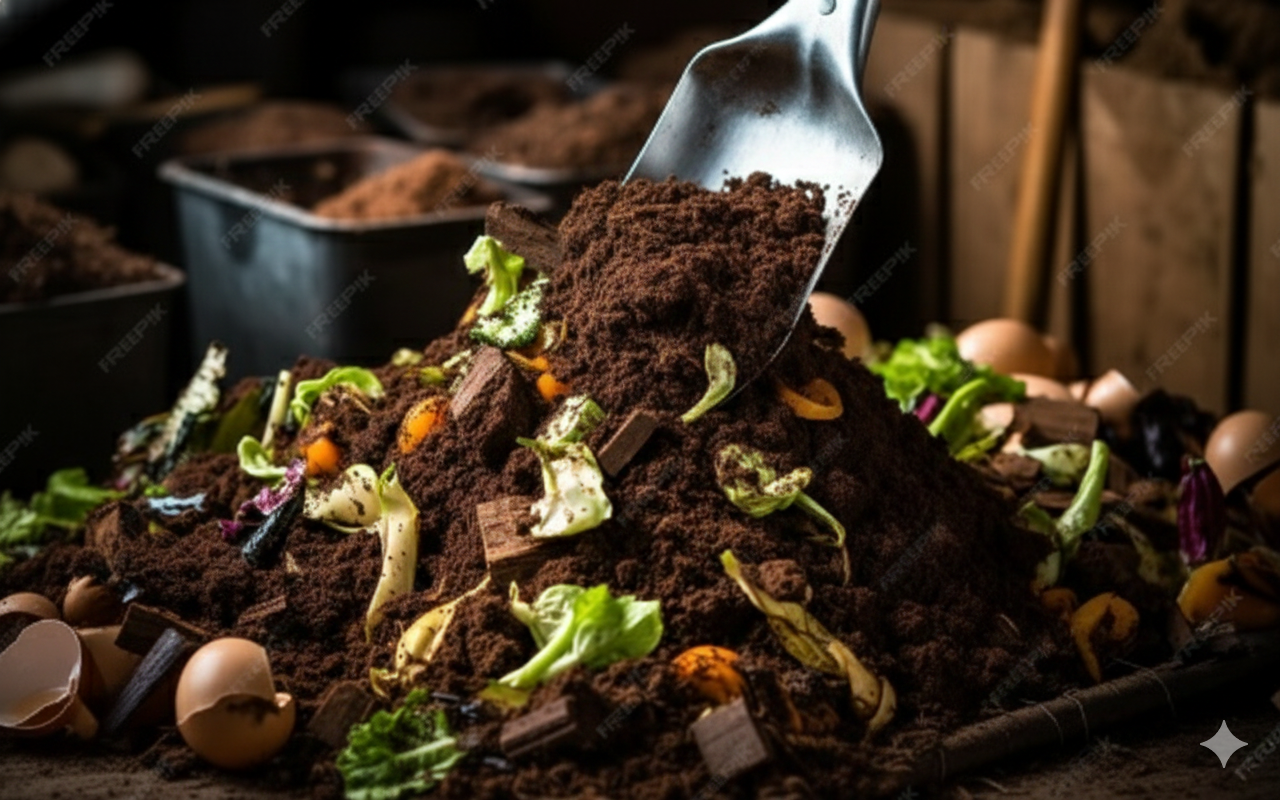
Compost is an organic fertilizer produced from the decomposition of plant residues, kitchen waste, livestock manure, and other biodegradable materials. Through microbial activity, these materials break down into a stable, nutrient-rich amendment.
Compost contains key nutrients such as nitrogen, phosphorus, and potassium in moderate quantities, along with beneficial microorganisms that naturally improve soil structure and fertility. Unlike synthetic fertilizers, compost releases nutrients slowly, ensuring a more balanced nutrient supply for crops.
Environmental Benefits of Compost
One of the main reasons compost is considered eco-friendly is its ability to enhance the environment rather than degrade it. First, compost significantly improves soil structure by increasing porosity, water-holding capacity, and aeration.
This helps reduce erosion and improves the soil’s resilience to drought. Second, compost contributes to carbon sequestration by storing organic carbon in the soil, an important strategy for mitigating climate change.
In addition, composting reduces waste by transforming organic materials that would otherwise end up in landfills. When organic waste decomposes anaerobically in landfills, it produces methane, a potent greenhouse gas.
Turning these materials into compost reduces methane emissions and promotes a circular agricultural economy.
Nutrient Contribution and Soil Improvement
Although compost contains lower nutrient concentrations compared with inorganic fertilizers, its effects on soil health are far more comprehensive. Compost enhances the soil’s cation exchange capacity, enabling it to retain nutrients more effectively.
This ensures a steady supply of nutrients throughout the growing period and reduces risks of nutrient leaching into waterways. Furthermore, compost enriches the soil with beneficial microorganisms.
These microbes play essential roles in nutrient mineralization, organic matter breakdown, and suppression of soil-borne diseases. As microbial activity increases, soil fertility improves naturally, contributing to more stable and productive long-term crop yields.
Role in Sustainable Agriculture
Sustainable agriculture aims to meet current food needs without compromising the ability of future generations to produce food. Compost aligns perfectly with this vision.
Its use reduces reliance on chemical fertilizers, which are often associated with issues such as soil acidification, water contamination, and environmental pollution. By integrating compost into fertilizer management, farmers can maintain productivity while protecting the environment.
Additionally, compost is compatible with various sustainable farming techniques, including organic farming, conservation agriculture, and integrated nutrient management. In these systems, compost helps restore soil integrity, regenerate degraded land, and support healthier crop growth.
Its role in improving soil biodiversity further strengthens the resilience of agricultural ecosystems.
Practical Application in Farming
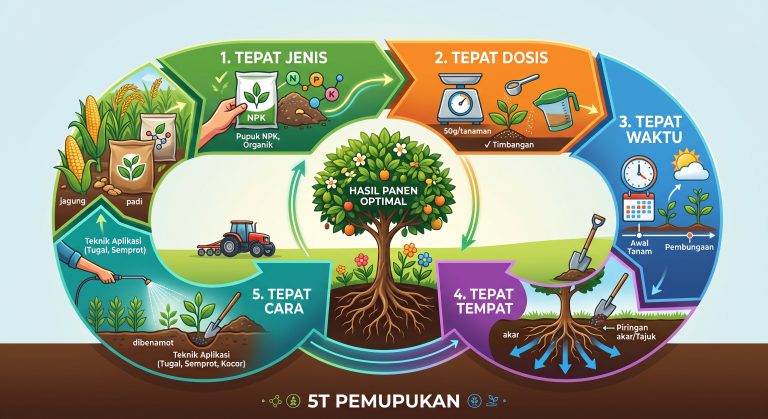
The effectiveness of compost depends on proper application methods. Compost can be applied during land preparation, mixed into planting holes, used as mulch, or integrated with other organic materials.
Application rates vary depending on crop type and soil condition, but generally range from 5 to 20 tons per hectare. For best results, compost must be fully matured before use.
Immature compost may contain pathogens or phytotoxic substances that can harm plants. Farmers should also combine compost with other nutrient sources when necessary, especially in highly intensive production systems where nutrient demand is high.
Economic Advantages for Farmers
In addition to environmental benefits, compost offers economic advantages. It reduces the need for purchased chemical fertilizers, lowering production costs.
Farmers can produce compost from readily available farm residues, making it a low-cost and accessible fertilizer option. In the long term, compost also enhances soil productivity, minimizing the need for frequent soil amendments and improving overall farm sustainability.
Read more:
Why Fertilizer Laboratory Testing Is Key to Sustainable Food Production?
Conclusion
Compost plays a vital role in sustainable agriculture as an environmentally friendly fertilizer that enhances soil quality, protects natural ecosystems, and supports long-term crop productivity. Its ability to improve soil structure, boost microbial activity, reduce waste, and minimize environmental impact makes compost indispensable for modern, sustainability-focused farming.
By adopting compost as part of an integrated nutrient management strategy, farmers can maintain high yields while safeguarding the environment for future generations. Although compost is known as an environmentally friendly and sustainable organic fertilizer, its quality and safety cannot be judged solely based on raw materials and the composting process.
Nutrient content, compost maturity, and potential microbial contamination can vary between products and directly affect its effectiveness and safety when applied in agricultural fields. Without proper testing, compost may fail to deliver optimal benefits and could even have negative impacts on plants and soil.
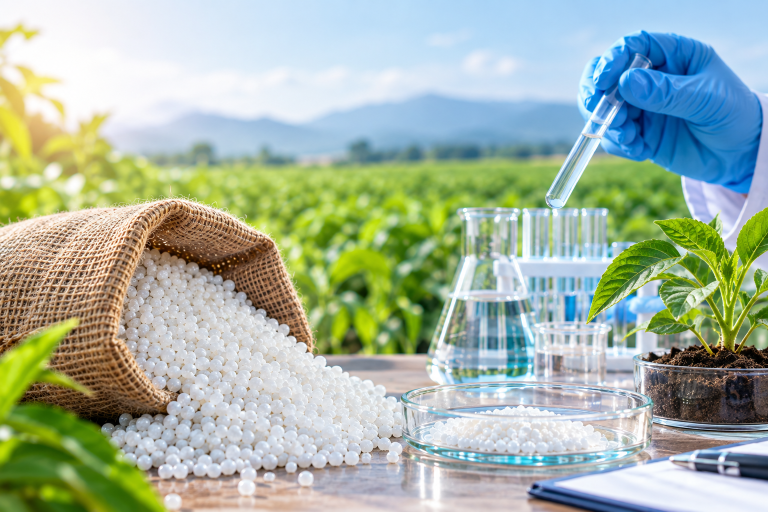
This is where fertilizer laboratory testing becomes essential. Through fertilizer testing, critical parameters can be scientifically evaluated, including nutrient content, physical and chemical characteristics, and potential contaminants that may affect soil quality and crop yield.
Such testing ensures that the compost used is fully matured, safe, and suitable for sustainable agricultural practices. IML Testing and Research provides comprehensive, accurate, and reliable fertilizer testing services to support the quality, safety, and compliance of organic fertilizers before use or commercialization.
Author: Fachry
Editor: Sabilla Reza
References:
Fertilizers Europe. (2018). Fertilizer basics: Why we need fertilizers, where they come from, how they work, and how they are used. Brussels: Fertilizers Europe.
Maguire, R., Alley, M., & Flowers, W. (2019). Fertilizer types and calculating application rates. Virginia Cooperative Extension, Virginia Tech.Purba, T., Situmeang, R., Rohman, H. F., Mahyati, A., Firgiyanto, R., Junaedi, A. S., Suhastyo, A. A. (2021). Pupuk dan teknologi pemupukan. Medan: Yayasan Kita Menulis.