Bright and Healthy Skin with Vitamin E


The Role of Vitamin E as an Antioxidant
Vitamin E is a fat-soluble antioxidant that protects polyunsaturated fatty acids (PUFAs) in cell membranes from oxidation, regulates the production of reactive oxygen species (ROS) and reactive nitrogen species (RNS), and modulates signal transduction. It acts as an antioxidant in the body, helping to counteract exposure to free radicals both internally and externally. Continuous exposure to free radicals can damage DNA structure, harm cells and proteins, accelerate aging, and even lead to autoimmune conditions.
Benefits of Vitamin E for Health
Since vitamin E cannot be synthesized by the body, it must be obtained through diet and supplements. Common sources of vitamin E include green vegetables, nuts, seeds, fruits, and seafood. The most active component of vitamin E is alpha-tocopherol. In the small intestine, alpha-tocopherol is absorbed via diffusion, which depends on the presence of fats in the consumed food and pancreatic function. Several studies indicate that increased levels of vitamin E in the body can reduce infection rates. Additionally, it plays a role in combating premature skin aging (anti-aging). Other research shows that vitamin E helps to maintain skin moisture. Vitamin E is commonly used to counteract early signs of aging on the skin, either orally or topically. As a free radical scavenger, it not only combats the harmful effects of UV radiation but also contributes to moisture retention, thereby slowing down the aging process.

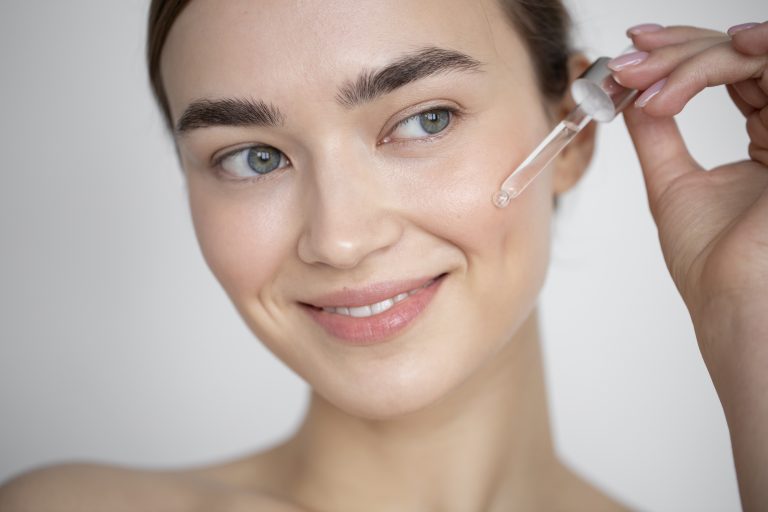
Vitamin E in oil form, which has a very thick consistency, can serve as an effective moisturizer for extremely dry skin areas, such as skin folds. Vitamin E is available in oral capsules and liquid forms, with specific concentrations tailored to individual needs. The α-tocopherol acetate content is used topically at concentrations between 0.02% and 0.5%, acting as a photoprotective agent and antioxidant. For anti-inflammatory applications, a concentration of 2% is recommended. For skin treatment due to sunburn, concentrations of vitamin E between 5% and 20% can be used. Alpha-tocopherol concentrations ranging from 2% to 20% help smooth the skin, enhance the stratum corneum’s ability to retain moisture, accelerate epithelialization, and contribute to skin protection.
Effects of Vitamin E Deficiency
A deficiency in vitamin E can lead to degenerative changes in the nervous and muscular systems, anemia, skin disorders, and more. Therefore, the normal daily requirement for vitamin E is below 400 IU. Consumption exceeding 400 IU should be monitored by a healthcare professional. The vitamin E needs of individuals may vary based on their health conditions. It is advisable to follow the instructions on the medication or topical product packaging to ensure adequate but not excessive vitamin E levels in the body.
References :
Fakriah, E. K., Adriana, and Rusydi (2019) ‘Sosialisasi Bahaya Radikal Bebas dan Fungsi Antioksidan Alami Bagi Kesehatan’, Jurnal Vokasi, 3(1). (online). ISSN: 2548-4117.
Gerald F. 2008. The vitamins fundamental as-pects in nutrition and Health. Third edi-tion. California Elsevier. Page 181-208
Keller KL, Fenske NA. Uses of vitamins A, C, and E and related compounds in derma-tology: a review. Journal of the American Academy of Dermatology. 1998 Oct 1;39(4):611-25
Lee, G. and Han, S. (2018) ‘The Role of Vitamin E in Immunity’, Nutrients, 10(11), p. 1614. doi:10.3390/nu10111614.
Ong TS, Chu CC, Tan CP, et al. Preparation and Evaluation Pumpkin Seed Oil-based Vitamin E Cream Formulations for Topi-cal Application. Journal of Oleo Science. 2020;69(4):297-306.