Balanced Fertilization for Soil Fertility and High Yields Through Fertilizer Lab Testing


Modern agriculture faces two major challenges: ensuring high crop yields to feed a growing population and maintaining soil fertility for long-term sustainability. Fertilizers play a central role in this balance. However, using fertilizers excessively or incorrectly can harm soil health, pollute the environment, and reduce productivity over time. The concept of balanced fertilization has therefore become a cornerstone of sustainable farming practices, ensuring that plants receive nutrients in the right proportions, at the right time, and in the right way.
- What Is Balanced Fertilization?
- The Importance of Balanced Fertilization
- Key Principles of Balanced Fertilization
- Practical Example
What Is Balanced Fertilization?
Balanced fertilization refers to the practice of supplying crops with the essential nutrients they need—nitrogen (N), phosphorus (P), potassium (K), and secondary as well as micronutrients—in correct proportions. Instead of focusing on one nutrient alone, balanced fertilization takes into account the crop’s overall requirements, soil fertility status, and environmental conditions.
The principle is simple: just as humans need a varied diet to stay healthy, plants require a balanced supply of nutrients to grow, reproduce, and resist stress.
Baca juga:
Fertilizer Testing as the Basis for Determining Plant Growth Quality
The Importance of Balanced Fertilization
- Improves Crop Productivity
Adequate and balanced nutrients enhance vegetative growth, root development, flowering, and fruiting, ultimately resulting in higher yields and better crop quality. - Maintains Soil Fertility
Continuous use of only one type of fertilizer, such as nitrogen, can degrade soil over time. Balanced fertilization replenishes multiple nutrients, preserves soil structure, and supports soil microorganisms. - Enhances Nutrient Use Efficiency
By matching fertilizer types and doses to actual crop needs, farmers can maximize nutrient uptake while minimizing losses through leaching or volatilization. - Reduces Environmental Pollution
Over-application of fertilizers, especially nitrogen and phosphorus, contributes to groundwater contamination, eutrophication, and greenhouse gas emissions. Balanced fertilization prevents these issues by avoiding excessive nutrient input. - Supports Sustainable Farming
Balanced fertilization combines organic and synthetic fertilizers, ensuring immediate nutrient supply while maintaining long-term soil health. This approach aligns with sustainable agriculture goals.
Key Principles of Balanced Fertilization
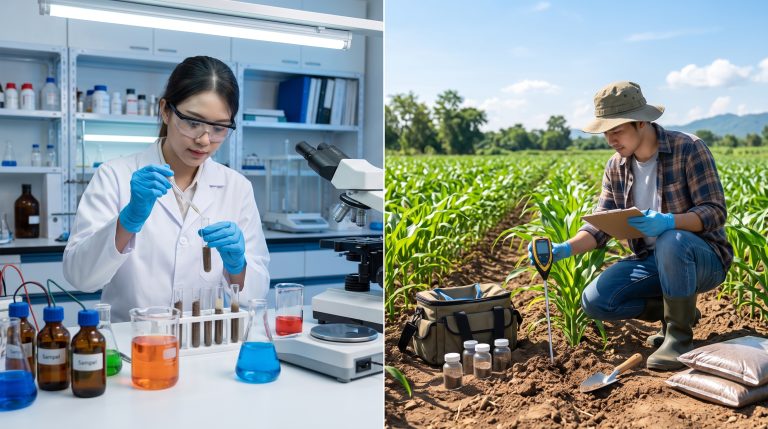
- Soil Testing
Understanding soil nutrient status is the foundation. Soil tests guide farmers in identifying deficiencies and avoiding unnecessary applications. - Crop-Specific Needs
Different crops require different nutrients at varying growth stages. For example, rice needs more nitrogen during vegetative growth, while fruit crops need more potassium during flowering and fruiting. - Right Fertilizer, Right Time, Right Method
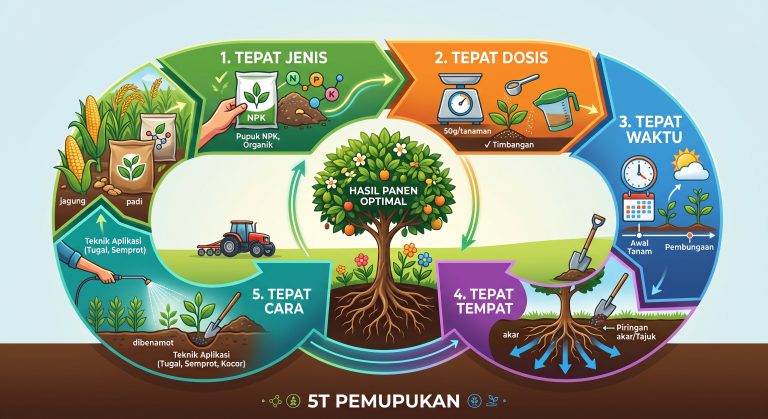
Applying the correct type of fertilizer, at the right growth stage, using the most effective method (broadcasting, banding, or foliar application) ensures efficiency. - Integration of Organic and Inorganic Sources
Organic fertilizers enrich soil organic matter, while synthetic fertilizers provide quick nutrient availability. Their combination offers both immediate and long-term benefits.
Practical Example
A maize crop requires nitrogen for rapid leaf development, phosphorus for root growth, and potassium for kernel filling. Applying only nitrogen may boost vegetative growth but result in poor grain formation. Balanced fertilization ensures that all stages of plant growth are adequately supported, leading to both healthy plants and abundant harvests.
Conclusion
Balanced fertilization is more than a technique—it is a philosophy of managing soil and crops sustainably. By considering soil fertility, crop requirements, and environmental impacts, farmers can achieve higher yields while preserving natural resources. The future of agriculture depends on practices like balanced fertilization, where productivity and sustainability go hand in hand.
Ensure your fertilizer products meet quality standards and meet plant nutritional needs. Test the composition and nutrient levels of your fertilizer before marketing. IML Research provides accurate fertilizer analysis services to ensure product consistency and reliability. With accurate laboratory data, you can improve formulation quality and strengthen customer trust. Don’t let nutrient discrepancies reduce your product’s performance in the field.
Consult with the IML Research expert team to conduct fertilizer testing now.
Author : Fachry
Editor : Sabilla Reza
References:
Fertilizers Europe. (2018). Fertilizer basics: Why we need fertilizers, where they come from, how they work, and how they are used. Brussels: Fertilizers Europe.
Maguire, R., Alley, M., & Flowers, W. (2019). Fertilizer types and calculating application rates. Virginia Cooperative Extension, Virginia Tech.
Purba, T., Situmeang, R., Rohman, H. F., Mahyati, A., Firgiyanto, R., Junaedi, A. S., … Suhastyo, A. A. (2021). Pupuk dan teknologi pemupukan. Medan: Yayasan Kita Menulis.