Retinol Serum: A Popular Active Ingredient That Requires Stability Testing

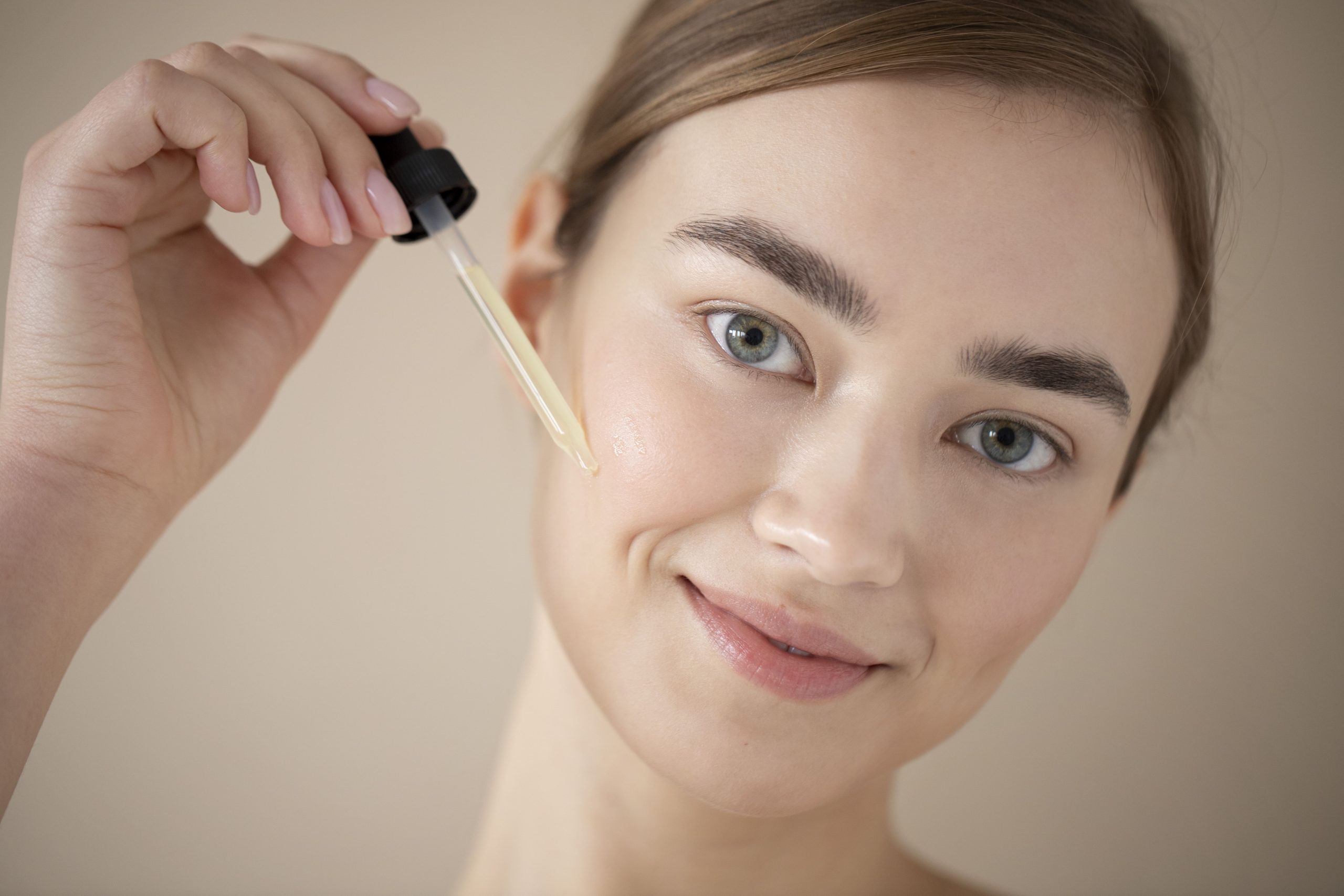
Retinol serum is a skincare product containing retinol as a popular active ingredient, particularly for addressing signs of aging. Retinol belongs to the retinoid family—a group of vitamin A derivatives that exist in various forms, each with distinct characteristics and levels of activity.
Among the best-known forms are retinol, retinal, and tretinoin or retinoic acid. Although these compounds share a related molecular structure, they differ in their functional groups.
In retinol serum formulations, retinol contains an alcohol group, retinal contains an aldehyde group, while retinoic acid contains a carboxylic acid group. These structural differences influence how each compound works and is processed by the skin.
Retinol and retinal need to undergo metabolic conversion before becoming retinoic acid, whereas tretinoin is already in the retinoic acid form and can directly interact with retinoid receptors in skin cells. Therefore, their activity, potency, and characteristics cannot simply be considered identical.
Table of Content:
- Why Is Retinol Serum So Popular?
- Why Is Retinol Sensitive to Light?
- Technologies for Maintaining Retinol Stability
- Why Is Stability Testing Important?
Why Is Retinol Serum So Popular?
The popularity of retinol is closely associated with its role in skincare targeting visible signs of aging. Retinol is widely used to help improve the appearance of fine lines and wrinkles, support skin cell turnover, and make the skin’s surface appear smoother and more even.
It may also help improve the appearance of uneven skin tone and support overall skin condition, making it look healthier. Its ability to support the skin renewal process has made retinol one of the well-known active ingredients in anti-aging skincare products.
However, the effectiveness of a retinol-containing product is not determined solely by the presence of the active ingredient. The stability of retinol throughout formulation, storage, and use is also an important factor.
Read Also:
Retinol vs Bakuchiol: Which Is Safer for Sensitive Skin?
Why Is Retinol Sensitive to Light?
From a chemical perspective, retinol contains a molecular structure with a system of conjugated double bonds along its carbon chain. This structural characteristic contributes to its reactivity toward environmental factors, including light exposure.
When exposed to light energy, particularly under conditions that promote photochemical reactions, retinol can undergo structural changes through processes such as photodegradation and oxidation. As a result, the amount of active retinol in a formulation may decrease over time.
This presents a challenge for skincare manufacturers because the product needs to maintain the active ingredient at an appropriate level throughout its shelf life.
Technologies for Maintaining Retinol Stability
Because retinol is sensitive to environmental conditions, various formulation approaches have been developed to help protect it. One approach is encapsulation technology, which protects the active ingredient within a delivery system so that retinol is less directly exposed to its surrounding environment.
Another approach involves packaging designed to limit exposure to light and air, such as opaque containers and packaging systems that minimize contact between the product and oxygen. These strategies are not merely matters of packaging design but are part of an effort to maintain product quality.
A formulation that cannot adequately protect retinol may experience a reduction in active ingredient concentration, which could consequently reduce the expected performance of the product.
Why Is Stability Testing Important?
The degradation of retinol does not necessarily mean that harmful compounds will always be produced. However, chemical changes during storage may result in degradation products that need to be identified and controlled.
Therefore, stability is not only related to preserving the benefits of retinol but also to ensuring the overall quality and safety of the formulation. Skincare products containing retinol should ideally undergo stability testing to evaluate how the formulation performs under different storage conditions, including exposure to light, temperature, humidity, and time.
Such testing can help determine whether retinol remains within its specified concentration range while also monitoring the formation of degradation products. Ultimately, retinol is not merely a popular active ingredient because of its role in anti-aging skincare.
Its chemical sensitivity to light makes stability an important consideration in the development of retinol serums. A well-designed formulation should protect the active ingredient from the manufacturing stage through to the point at which it reaches the consumer.
Therefore, stability testing is an essential part of ensuring that retinol serums remain high-quality, effective, and safe throughout their intended shelf life.
Test Your Retinol Serum Stability!
Don’t rely on formulation alone. Verify your retinol serum stability through laboratory testing! IML Testing & Research helps companies obtain testing data to evaluate product stability and quality throughout the development process.
Contact IML Testing & Research today and discuss your retinol serum testing requirements with our team!
Author: Delfia
Editor: Lina
References
Temova Rakuša, Ž., Škufca, P., Kristl, A., & Roškar, R. (2021). Retinoid stability and degradation kinetics in commercial cosmetic products. Journal of Cosmetic Dermatology, 20(7), 2350–2358. https://doi.org/10.1111/jocd.13852
Zasada, M., & Budzisz, E. (2019). Retinoids: Active molecules influencing skin structure formation in cosmetic and dermatological treatments. Postępy Dermatologii i Alergologii, 36(4), 392–397. https://doi.org/10.5114/ada.2019.87443