Understanding Cosmetic Packaging Logos and Symbols: What Do They Mean and How Can They Be Obtained?

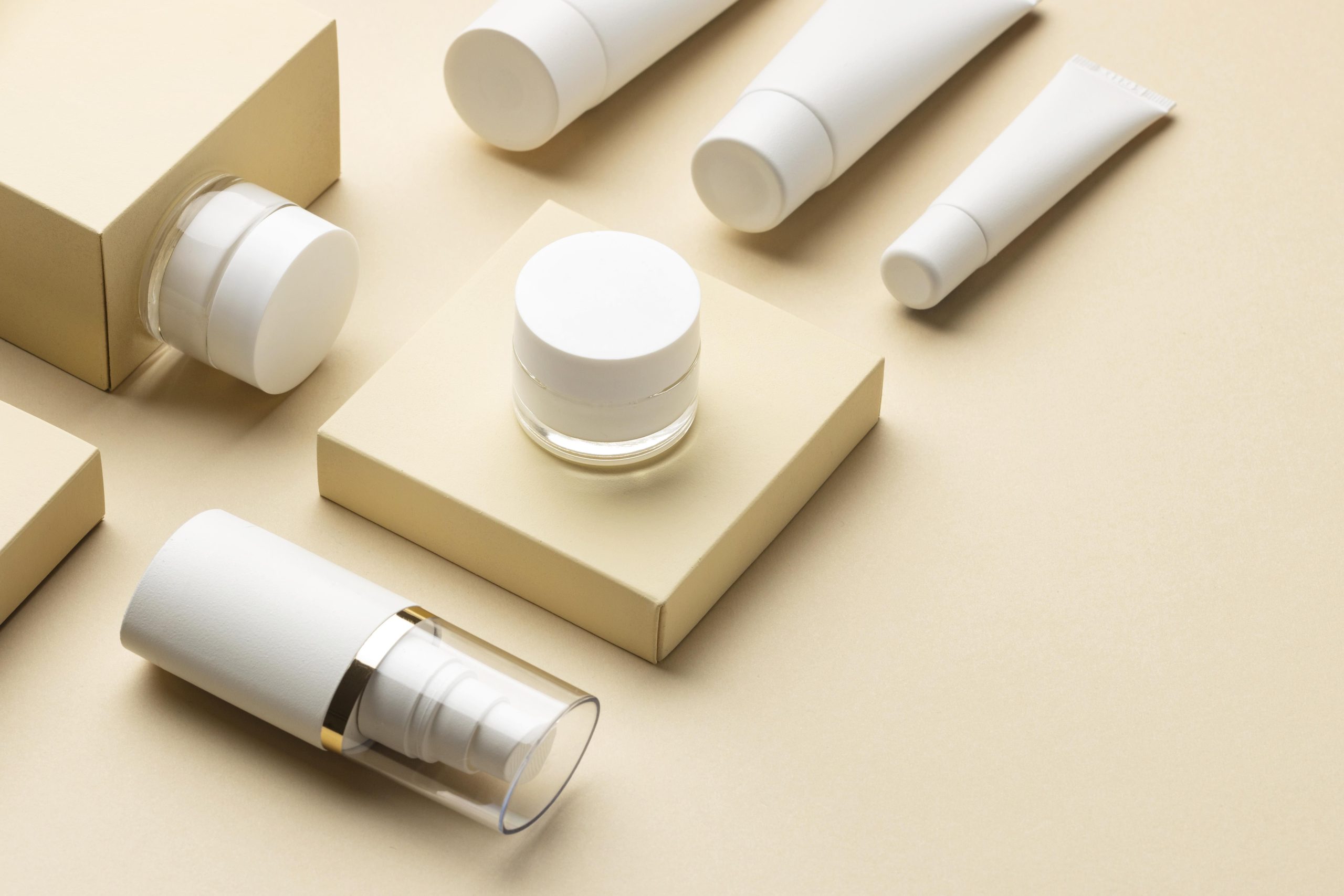
When purchasing cosmetic packaging products, consumers often encounter a variety of logos and symbols on the packaging, ranging from BPOM and Halal logos to open-jar symbols, bunny icons, and recycling symbols. For some people, these symbols may appear to be merely design elements.
In reality, each logo and symbol serves an important function as a means of communication between manufacturers and consumers. The information conveyed may relate to product legality, safe usage, shelf life, and even environmental sustainability.
By understanding the meaning of these symbols, consumers can use products more safely while gaining a better understanding of the products they choose.
Daftar Isi:
- BPOM and Halal Logos: Evidence of Regulatory Compliance
- Cruelty-Free (Leaping Bunny) and Vegan Logos: Meeting the Needs of Modern Consumers
- PAO and Hourglass Symbols: Information About Product Shelf Life
- Recycling and Green Dot Symbols: Supporting Environmental Sustainability
- How Can These Logos and Symbols Be Obtained?
BPOM and Halal Logos: Evidence of Regulatory Compliance
One of the most important pieces of information consumers look for is the legal status of a cosmetic product. In Indonesia, cosmetic products must obtain a notification number from the National Agency of Drug and Food Control (BPOM) before they can be marketed.
This notification number indicates that the product has undergone the required administrative evaluation process in accordance with applicable regulations. In addition to BPOM, the Halal logo is becoming increasingly common on cosmetic packaging.
Halal certification demonstrates that the raw materials, manufacturing process, and halal assurance system comply with the requirements established by the relevant authorities. To obtain these certifications, manufacturers must prepare various supporting documents, including product quality data, raw material specifications, and manufacturing process documentation.
Cruelty-Free (Leaping Bunny) and Vegan Logos: Meeting the Needs of Modern Consumers
Growing consumer awareness of ethical and sustainability issues has contributed to the increasing popularity of cruelty-free and vegan logos on cosmetic products. The cruelty-free logo, commonly represented by a bunny icon, indicates that neither the finished product nor its ingredients were tested on animals during product development.
Meanwhile, the vegan logo indicates that the product does not contain ingredients derived from animals or animal by-products. Although these two claims are often perceived as similar, they have different meanings.
A product may be cruelty-free but not vegan if it still contains ingredients such as honey, beeswax, or animal-derived collagen. Therefore, consumers should understand the meaning of each logo to make informed choices based on their needs and preferences.
PAO and Hourglass Symbols: Information About Product Shelf Life
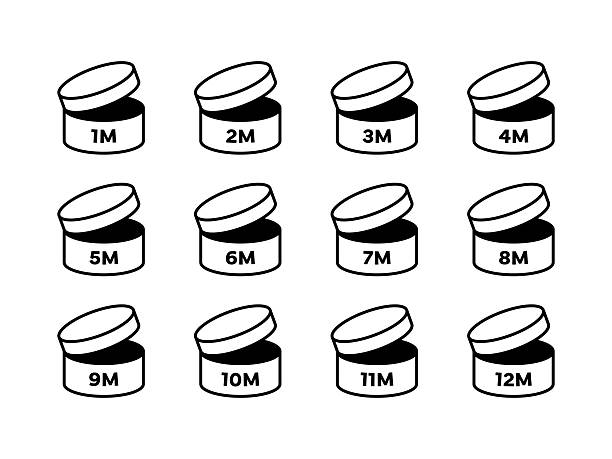

In addition to legal and ethical claims, information regarding product usability is also important. One of the most common symbols found on cosmetic packaging is the PAO (Period After Opening) symbol, which appears as an open jar accompanied by a number such as 6M, 12M, or 24M.
This symbol indicates the recommended period during which the product can be safely used after it has been opened for the first time. For example, a 12M symbol means that the product is recommended for use within 12 months after opening when stored according to the manufacturer's instructions.
Another commonly used symbol is the hourglass symbol, which is often accompanied by an expiration date. This symbol is typically used for products with a shelf life of less than 30 months and helps consumers identify the safe period for product use.
Recycling and Green Dot Symbols: Supporting Environmental Sustainability

Environmental awareness continues to influence the cosmetics industry. One symbol frequently found on cosmetic packaging is the Mobius Loop, commonly known as the recycling symbol. This symbol indicates that the packaging is recyclable or contains recycled materials.
Another common symbol is the Green Dot. Many consumers mistakenly believe that this symbol means the packaging is recyclable.
In fact, the Green Dot indicates that the manufacturer has financially contributed to a packaging waste recovery and management program in certain countries. These symbols help consumers better understand how packaging should be managed after use and encourage more sustainable consumption practices.
How Can These Logos and Symbols Be Obtained?
Each logo and symbol has its own specific requirements. The BPOM logo is obtained through the cosmetic notification process, while the Halal logo is acquired through halal certification.
For PAO symbols and shelf-life information, manufacturers must generate scientific data through product stability testing. Cruelty-free and vegan claims generally require audits of raw materials, supply chains, and verification by relevant certification organizations.
As a result, laboratory testing plays a crucial role in providing the scientific evidence needed to support the safety, quality, stability, and regulatory compliance of cosmetic products before they are placed on the market.
Prepare Your Cosmetic Products for Market with Reliable Test Data
IML Testing and Research can support cosmetic laboratory testing to help ensure product safety, quality, stability, and market readiness. Consult your cosmetic testing needs with the IML Testing and Research team.
Conclusion
Logos and symbols on cosmetic packaging are much more than visual elements; they provide important information that helps consumers understand a product’s legality, safety, shelf life, and ethical and environmental attributes. From BPOM, Halal, Cruelty-Free, and Vegan logos to PAO, Hourglass, Green Dot, and recycling symbols, each serves a specific purpose and comes with its own requirements.
For cosmetic manufacturers, obtaining these logos and symbols requires valid and scientifically supported data. Therefore, laboratory testing is an essential step in ensuring that cosmetic products are safe, high-quality, and compliant with applicable regulations.
Author: Jihan
Editor: Lina
REFERENCES
Cosmetics Europe. (2020). Understanding cosmetic packaging symbols and labelling requirements. Cosmetics Europe.
European Commission. (2009). Regulation (EC) No 1223/2009 of the European Parliament and of the Council on cosmetic products. Official Journal of the European Union.
International Organization for Standardization. (2021). ISO 22715: Cosmetics—Packaging and labelling. ISO.