List of Cosmetic Colorants Prohibited by BPOM


- The Uniqueness of Make Up Products and the Importance of Color
- Combination of Natural and Synthetic Colorants in Cosmetics
- Safe Cosmetic Dyes According to BPOM
- Dangerous Cosmetic Dyes According to BPOM
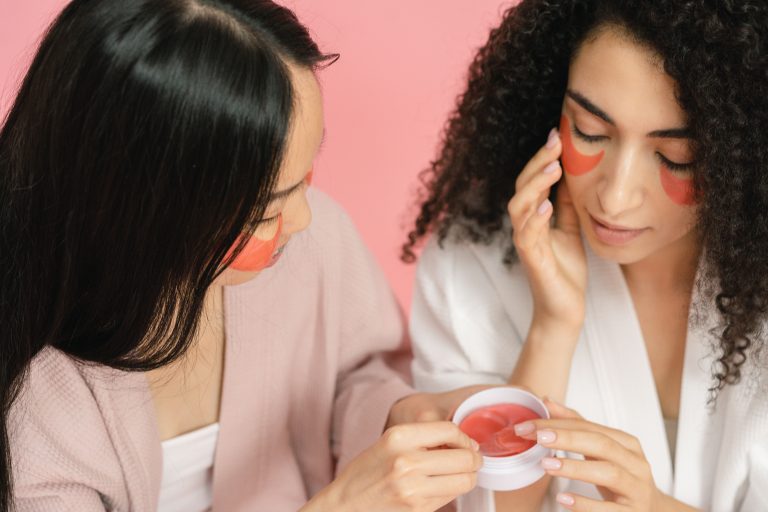
Cosmetics are products used to care for and enhance one’s appearance, whether for the skin, hair, or other parts of the body. One of the most popular types of cosmetics is makeup, a product specifically designed for facial beautification. Makeup is used to enhance facial beauty because of its vibrant and varied colors, which can elevate the skin's radiance, highlight facial features, and conceal imperfections such as blemishes or uneven skin tone. By using makeup, individuals can express creativity, boost self-confidence, and appear more appealing according to their preferences or specific occasions.
The Uniqueness of Make Up Products and the Importance of Color
There are various types of makeup, ranging from basic makeup, eyebrows, eyelashes, eyelids, under-eye areas, nose, cheeks, lips, to the jawline. Each type features textures and colors tailored to the contours of the face. Color is one of the key elements that attract users and serves as a major selling point in makeup products.
Captivating and diverse colors draw users' attention and provide flexibility to create different looks. For instance, eyeshadow offers a rich palette of shades, ranging from red, orange, yellow, green, and blue to black. This variety allows users to experiment and adjust their makeup to fit the mood, event, or personal style.
Combination of Natural and Synthetic Colorants in Cosmetics
The use of synthetic and natural colorants in makeup is essential for creating a wide range of long-lasting colors while meeting aesthetic and user preferences. These colorants enable makeup products like lipstick, eyeshadow, blush, and foundation to deliver vibrant and natural hues.
Read more:
Here is The List of Harmful Ingredients in Cosmetics!
Additionally, natural colorants are often chosen to meet the market demand for eco-friendly and skin-safe products, while synthetic colorants provide better stability and color durability. The combination of both offers flexibility for manufacturers to create products that cater to the diverse needs of consumers.
Safe Cosmetic Dyes According to BPOM
Colorants in cosmetics that are safe for the skin are defined as substances that do not cause irritation or side effects when applied directly to the skin, either in the short or long term. There are specific types of colorants considered safe, as well as others that should be avoided for skin use. Examples of safe cosmetic colorants include Carmine, Mica, Titanium Dioxide, Iron Oxides, Ultramarines, Zinc Oxide, Annatto, Beetroot Extract, Pigment Green 8, Pigment Yellow 1, and more. The list of permitted cosmetic colorants is regulated under BPOM Regulation No. 17 of 2022.
Dangerous Cosmetic Dyes According to BPOM
In addition to safe substances, BPOM also provides a list of hazardous colorants prohibited in cosmetic products. These include Red K3, Red K10 (Rhodamine B), Orange K1, and others. These substances are banned because they can cause irritation, liver dysfunction, and even liver cancer over long-term use. These colorants are synthetic compounds commonly used in industries such as paper, textiles, and ink but fail safety tests for cosmetic applications.
Cosmetic colorants can be derived from natural sources like wood, leaves, fruits, and vegetables, or synthesized in laboratories. These colorants offer numerous benefits, including enhancing the visual appeal of products, intensifying natural colors, improving color adhesion, and providing a diverse range of shades.
Read more:
Identify Unsafe Lipstick Colorants with Toxicity Tests on Your Lipstick Products!
However, excessive or prolonged use of certain colorants can pose negative health effects. This may include acne, irritation, allergies, or even skin cancer. Therefore, selecting the appropriate colorants in cosmetic products is a critical aspect that requires careful consideration to ensure user safety and product efficacy.
Have you made sure that the dye content in your product is safe, legal, and in accordance with regulations? Simple steps such as conducting laboratory testing can protect your business from legal risks and consumer complaints.
Author: Delfi
Editor: Sabilla
References:
Badan POM (BPOM). 2022. Daftar Bahan Pewarna yang Diizinkan dalam Kosmetik. Direktorat Standardisasi Obat Tradisional, Suplemen Kesehatan, dan Kosmetik. Diakses pada 9 Januari 2025. Dapat diakses pada tautan : https://standar-otskk.pom.go.id/otskk-db/kategori/daftar-bahan-pewarna-yang-diizinkan-dalam-kosmetik.
Guerra, Eugenia et al., 2018. Analysis of Dyes in Cosmetics : Challenges and Recent Developments. Cosmetics, 5(3), 47. doi:10.3390/cosmetics5030047
M. Surya and S. Gunasekaran. 2021. A Review on Recent Scenario of Cosmetics. Int. J. Pharm. Sci. Rev. Res., 68(1), pp 190-197.