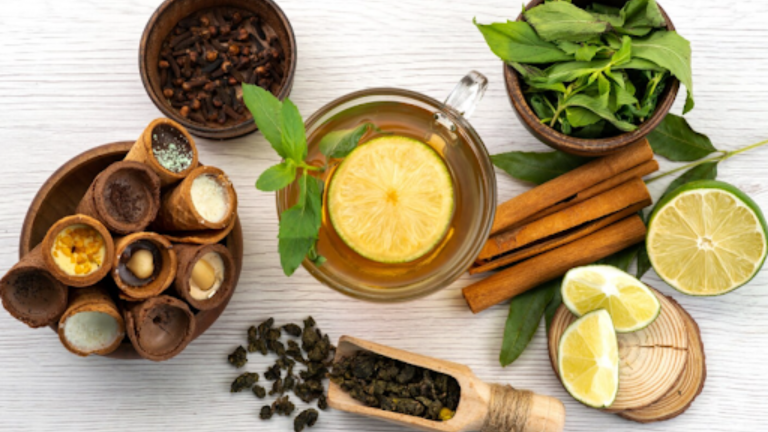
Herbal Medicine: Is It Really Effective for Health? 1 Dangerous risk!

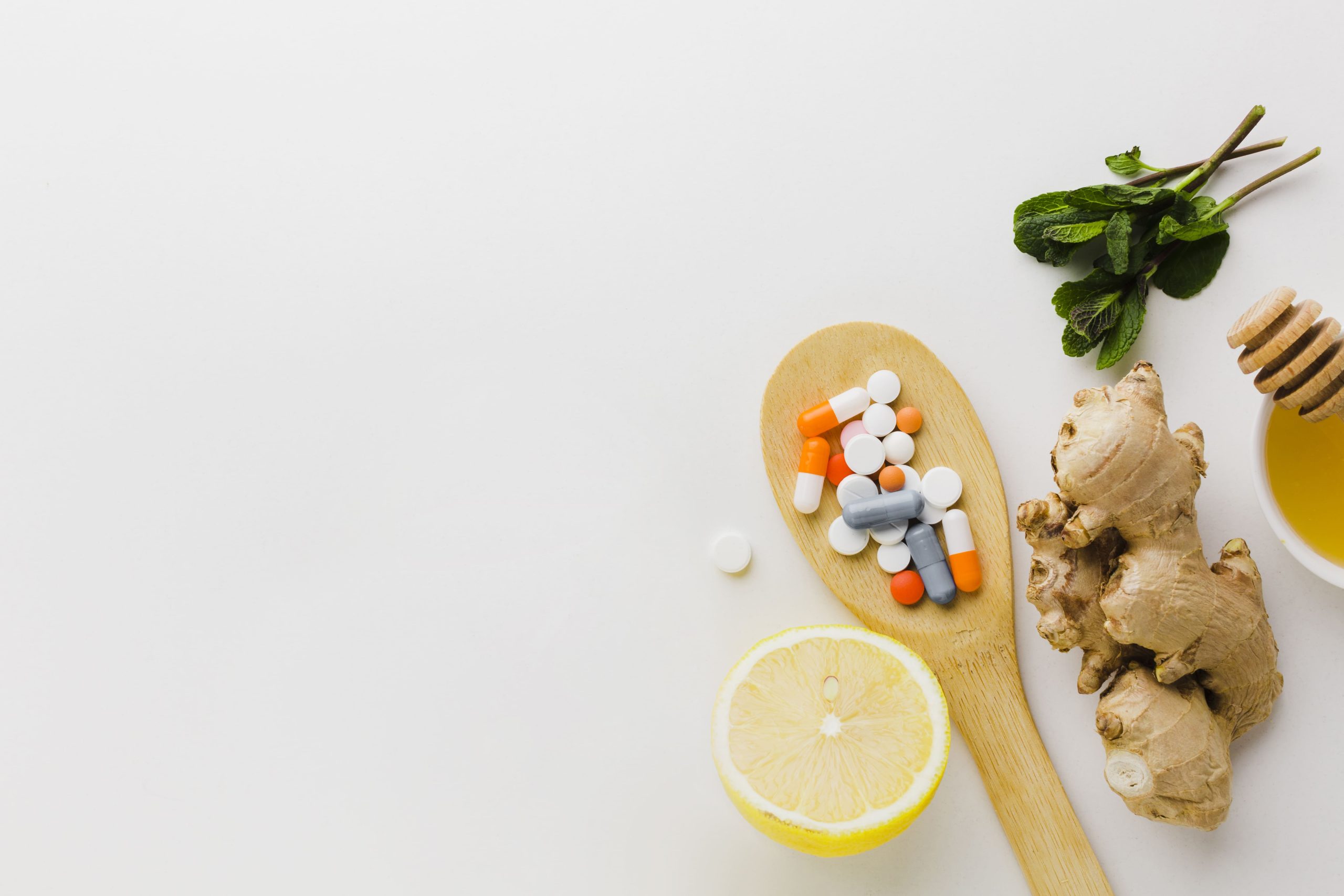
Amid growing public interest in a natural lifestyle, the use of herbs is gaining popularity as an alternative for maintaining health. Many believe that natural ingredients are safer and have fewer side effects than conventional medicines. However, are herbal medicines always effective and safe to use?
Behind claims of naturalness, there are important aspects that are often overlooked, such as quality standards, consistency of ingredients, and scientific proof of effectiveness. Therefore, a proper understanding is key before making herbal medicines a primary choice.
Table of Content :
- What Is Herbal Medicine?
- Are All Herbal Medicines Effective?
- Benefits of Herbal Medicine Based on Research
- Risks and Limitations of Herbal Medicine
- Conclusion : Using Herbal Medicine Wisely
What Is Herbal Medicine?
According to the Badan Pengawas Obat dan Makanan (BPOM), herbal medicine or traditional medicine refers to materials or preparations derived from plants, animals, minerals, or a combination of these sources. The use of herbal has been passed down through generations for hundreds of years. The history of herbal treatment is extensive, and millions of people worldwide still rely on it for healthcare. According to the World Health Organization (WHO), around 80% of the global population depends on herbal medicine.
In Indonesia, herbal medicines are classified based on the level of scientific evidence, quality standards, safety, and applicable regulations. In general, they are divided into three main categories: Jamu, Standardized Herbal Medicine (OHT), and Phytopharmaceuticals.
Read also :
BUD and ED in Medicines: What Is the Difference and How Dangerous Is It If They Are Exceeded?
Are All Herbal Medicines Effective?
Although herbal has been used for a long time and has a clear classification system, not all herbal products have the same level of effectiveness. Many people assume that herbal medicine is always safe and effective simply because it is made from natural ingredients. In reality, the effectiveness of herbal depends on its active compounds, dosage, and the scientific evidence supporting its use.
Benefits of Herbal Medicine Based on Research
Several studies suggest that herbal has potential health benefits. For example, some research shows that herbal formulations can help lower blood pressure in patients with hypertension due to active compounds such as flavonoids and curcumin, which have pharmacological effects. In addition, certain topical herbal therapies have been reported to help accelerate wound healing. These findings indicate that herbal can provide positive effects, especially when used appropriately.
Risks and Limitations of Herbal Medicine
However, not all herbal have undergone rigorous clinical trials like modern drugs. Most herbal products, especially traditional ones such as jamu, still have limitations in terms of scientific evidence. Improper use may also lead to side effects, and many claims of benefits are often based on empirical experience rather than controlled studies.
Moreover, traditional medicines are not always safe. Risks such as improper use, unstandardized dosages, contamination, or interactions with other medications may lead to harmful effects. Some studies have reported potential toxicity to the liver and kidneys associated with high doses or long term use of herbal.
On the other hand, herbal can serve as a complementary therapy rather than a primary treatment. In some cases, it may help improve quality of life or support the healing process, but it should still be combined with clinically proven medical treatments, especially for serious conditions.
Conclusion : Using Herbal Medicine Wisely
In conclusion, herbal does have potential health benefits, but its effectiveness may vary depending on the condition and individual. Therefore, it should be used wisely by considering proper dosage, safety, and available scientific evidence. People are also advised to consult healthcare professionals before using herbal, especially if they are undergoing other medical treatments. With proper understanding, herbal medicine can be a beneficial option without neglecting safety and effectiveness.
Without proper testing, herbal claims may pose risks to safety and market trust. Conduct testing for your herbal products with IML Testing and Research as your trusted partner.
Author : Jihan
Editor : Alphi
References
Badan Pengawas Obat dan Makanan Republik Indonesia (BPOM RI). (2023). Peraturan Badan Pengawas Obat dan Makanan Nomor 25 Tahun 2023 Tentang Kriteria dan Tata Laksana Registrasi Obat Bahan Alam. Jakarta : BPOM RI
Poli, M. A., Hossain, M. J., Kholil, I., Yasmin, S., Bhowmick, B., & Kundu, L. R. (2025). Traditional medicine use and associated factors in chronic patients in Jamalpur, Bangladesh: a cross-sectional study. Frontiers in public health, 13, 1548728.
Ramadani, A., & M. Ramadhan, A. (2025). Efektivitas Ramuan herbal Sebagai Penurun Tekanan Darah Pada penderita hipertensi. Jurnal Sains Dan Kesehatan, 6(2), 61–72.