Recognizing the Toxicity Levels of Aspergillus niger Around Us, These 2 Things !

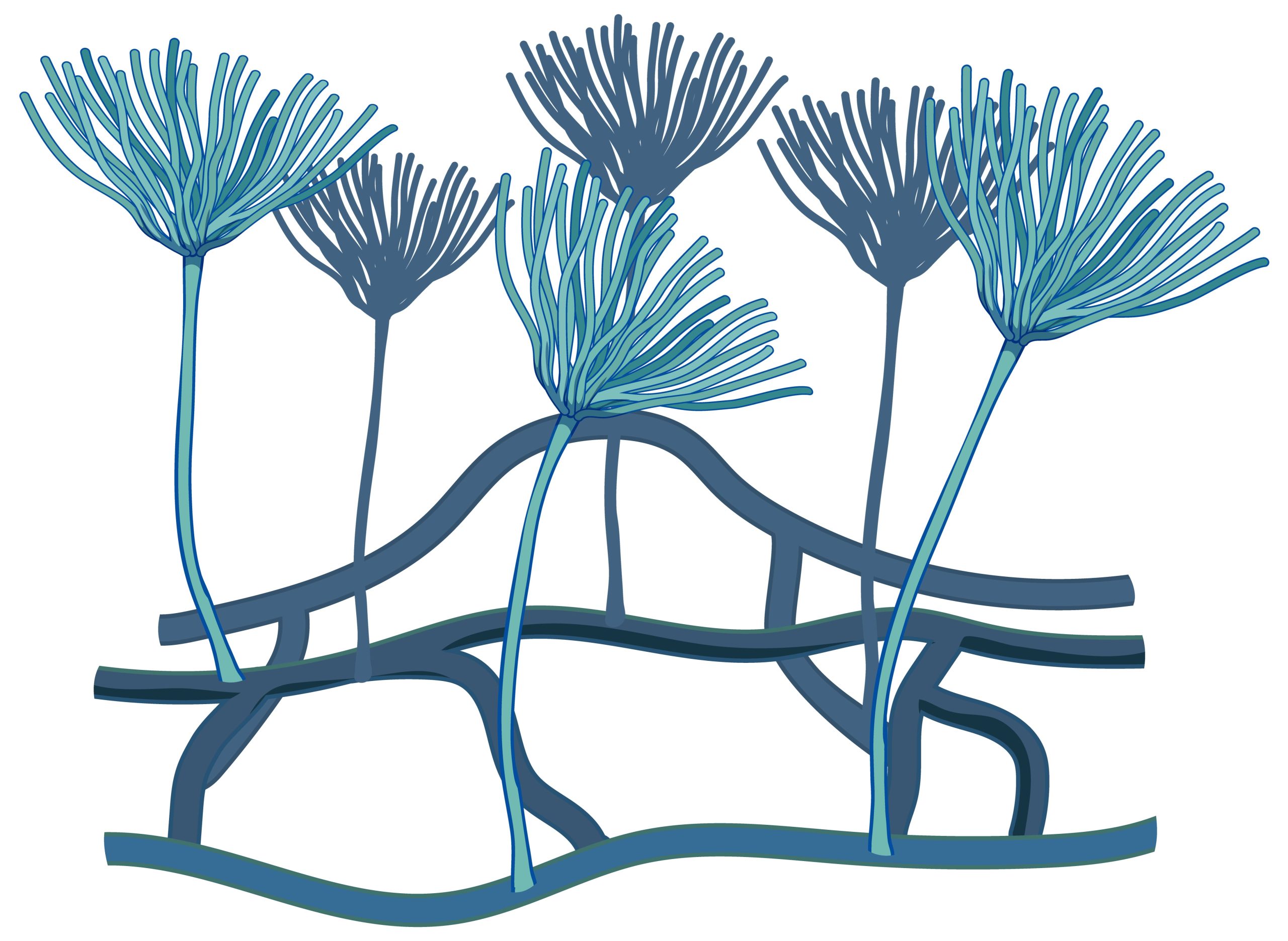
Aspergillus niger is a filamentous fungus belonging to the phylum Ascomycota. This fungus naturally inhabits the environment as a soil saprobe, meaning it obtains nutrients from dead organic matter. This role is closely associated with the decomposition of plant biomass, thereby directly contributing to the maintenance of carbon cycle balance in the environment.
A. niger is also recognized as an opportunistic pathogen affecting plants, animals, and humans. In the food industry, particularly during the post harvest stage, this fungus has frequently been reported to colonize grains, fruits, and vegetables. Such contamination can lead to a decline in food quality.
On the other hand, in the field of health, A. niger is known to produce various types of mycotoxins that can have harmful effects on animal and human health when exposure occurs at certain levels. Therefore, it is important for the public to understand the characteristics and potential hazards of this microorganism. Through this article, readers can gain a deeper insight into how toxic A. niger actually is.
Table of Content :
- Recognizing Various Types of Mycotoxins Produced byAspergillus niger
- Health Impacts Aspergillus nigerMycotoxins
Recognizing Various Types of Mycotoxins Produced byAspergillus niger
Aspergillus niger is capable of producing various types of mycotoxins, including oxalic acid crystals, kojic acid, a cyclic pentapeptide compound known as malformin, as well as more hazardous mycotoxins such as ochratoxin A and fumonisins. The toxicity levels of these compounds vary, ranging from moderate to highly toxic, depending on the strain and its genetic characteristics.
Oxalic acid is one of the most frequently mentioned compounds in the literature. Several references report that A. niger can produce oxalic acid in large quantities. This compound is thought to play a role in the pathogenic properties of the fungus.
A. niger is also known as one of the fungal species capable of producing ochratoxin A and fumonisins. Contamination with ochratoxin A has been reported in various food products, such as corn and wheat. Meanwhile, fumonisin contamination (B2 and B4) has been documented in grape crops.
Read also :
How Environmental Toxicity Testing Reveals the Impact of Gold Mine Waste?
Health Impacts Aspergillus nigerMycotoxins
Aspergillus niger generally does not cause infections in healthy individuals. However, it can potentially lead to disease when infecting individuals with weakened immune systems. For this reason, A. niger is classified as an environmental opportunistic pathogen (EOP).
Several fungal species within the genus Aspergillus, including A. niger, have been reported to cause aspergillosis. Aspergillosis occurs as a result of prolonged and continuous exposure to A. niger spores, for example in residential or occupational environments with consistently high levels of spore contamination throughout the year.
Aspergillosis manifests in various forms, with invasive aspergillosis being the most severe and potentially fatal, particularly in individuals with compromised immune systems. This condition arises when fungal spores enter the respiratory tract and trigger lung infections. Under certain circumstances, the infection may spread into the bloodstream and disseminate to other organs, such as the liver, kidneys, and brain.
In recent years, aspergillosis has frequently been associated with tuberculosis (TB). Several cases indicate that patients with a history of TB are more susceptible to aspergillosis, as their lungs are often already damaged or exhibit reduced local immune defenses.
In addition to causing aspergillosis, A. niger is capable of producing ochratoxin A, a nephrotoxic compound. This toxin can damage the kidneys and potentially suppress the immune system. The presence of ochratoxin A is a major concern in food safety, as it can enter the food chain and pose serious health risks to humans, particularly vulnerable groups such as infants and children.
Therefore, strict food quality monitoring, the implementation of proper storage methods, and effective control of fungal growth are essential to prevent contamination by mycotoxins produced by A. niger.
Ensure Your Products and Environment Are Safe from Fungal Risks
Aspergillus niger can be a hidden threat affecting both health and product quality. Without proper testing, its toxicity level remains uncertain.
Conduct toxicity and microbiological testing with IML Testing and Research to ensure your products are safe, controlled, and compliant with industry standards.
Author: Dherika
Editor : Alphi
References
Navale, V., Vamkudoth, K.R., Shanthipriya, A., & Vaibhavi, D. (2021). Aspergillus derived mycotoxins in food and the environment: Prevalance detection, and toxicity. Toxicology Reports, 8, 1008-1030.
Ramesh, K.V., Bhaskar, B., Salam, S.A., Pilla, A., & Kumar, Ch.S.K. (2021). Impact of Aspergillus niger agriculture and industry: A review. The Pharma Innovation Journal, 10(6), 1365-1370.