Pesticide Toxicity Testing on Non Target Aquatic Organisms: Risks, Impact, and Solutions

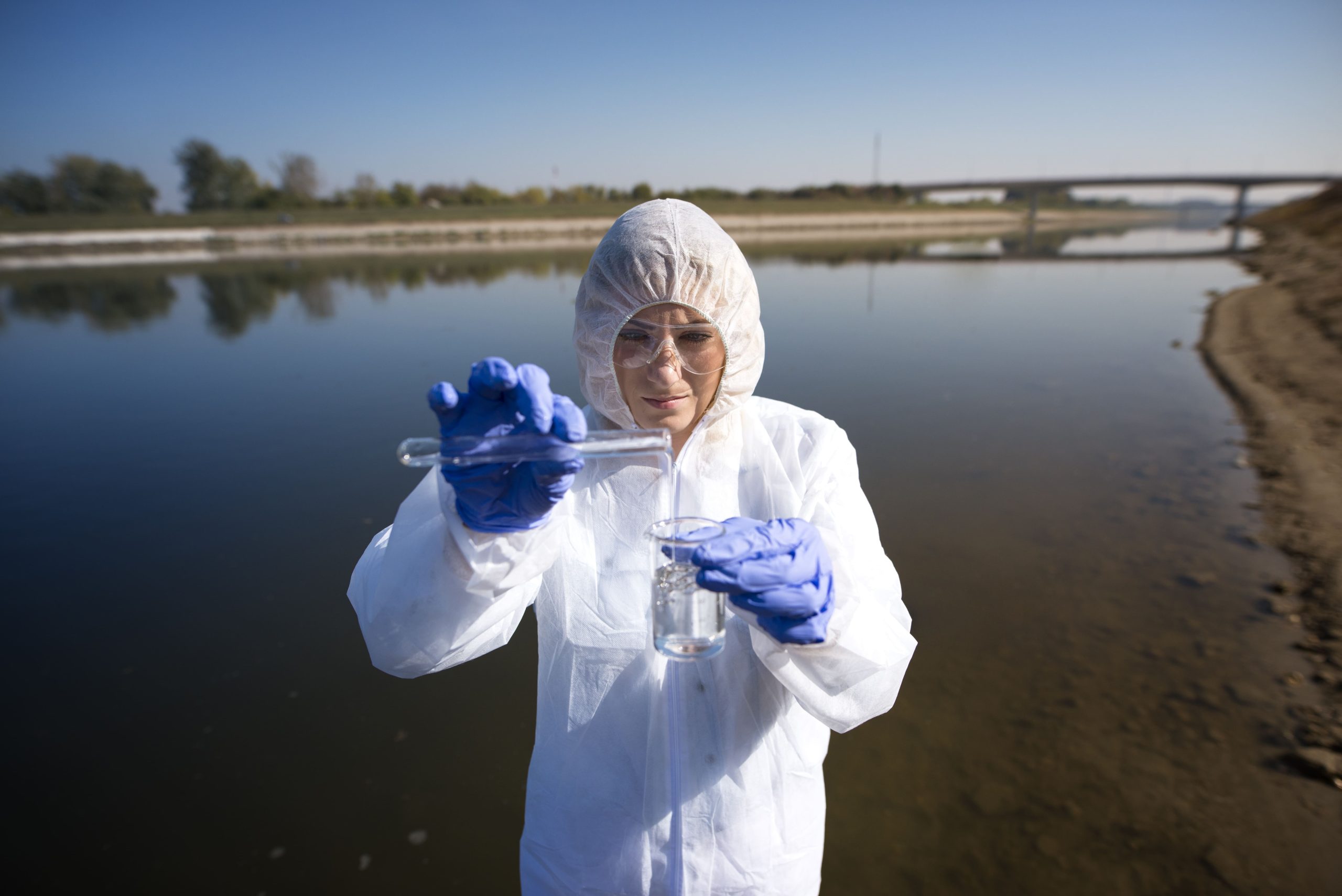
The use of pesticides has become an integral part of modern agriculture, plantation management, and pest control programs. Pesticides play a crucial role in protecting crops from pests and increasing agricultural productivity.
However, the improper or excessive use of pesticides can lead to serious environmental consequences, particularly in aquatic ecosystems. One of the most concerning issues is the toxic effect of pesticides on non target organisms, which are species that are not intended to be controlled but are unintentionally exposed.
Therefore, toxicity testing of pesticides on non target organisms in aquatic environments is essential for environmental protection and sustainable development.
Table of Content :
- Pathways of Pesticide Contamination in Aquatic Environments
- Definition and Purpose of Pesticide Toxicity Testing
- Non Target Organisms in Aquatic Ecosystems
- Methods of Toxicity Testing in Aquatic Environments
- Toxic Effects of Pesticides on Non Target Organisms
- Role of Toxicity Testing in Environmental Management
- Ensure Your Pesticide is Safe for Aquatic Environments
Pathways of Pesticide Contamination in Aquatic Environments
Pesticides can enter aquatic environments through several pathways, including surface runoff from agricultural fields, soil erosion, leaching into groundwater, and the discharge of agricultural or domestic wastewater. Once pesticides reach rivers, lakes, ponds, or reservoirs, they may persist in the water column or accumulate in sediments, depending on their chemical properties.
Some pesticides are highly persistent and resistant to degradation, increasing the risk of long term exposure to aquatic organisms. Even at low concentrations, pesticide residues can negatively affect water quality and pose threats to aquatic life. Non target organisms in aquatic ecosystems are often highly sensitive to chemical pollutants, making them vulnerable to pesticide exposure.
Read also :
3 Powerful Advantages of Bait Pesticides Over Sprays: More Effective with Minimal Residue
Definition and Purpose of Pesticide Toxicity Testing
Pesticide toxicity testing is a scientific approach used to evaluate the harmful effects of chemical substances on living organisms under controlled conditions. In aquatic environments, toxicity tests aim to assess the potential risks of pesticides to non target organisms and to determine safe concentration thresholds that minimize environmental damage.
The results of toxicity testing are essential for identifying hazardous pesticides, comparing the toxicity levels of different compounds, and supporting environmental risk assessments. These tests also provide critical information for developing guidelines and regulations related to pesticide use and environmental protection.
Non Target Organisms in Aquatic Ecosystems
Non target organisms in aquatic environments include a wide range of biota, such as phytoplankton, zooplankton, aquatic invertebrates, and fish. These organisms play vital roles in maintaining ecosystem balance and supporting food webs. Phytoplankton serve as primary producers, zooplankton act as primary consumers, and fish and invertebrates occupy higher trophic levels.
In toxicity testing, non target organisms are selected based on their ecological relevance, sensitivity to pollutants, and suitability for laboratory testing. Changes in survival, growth, behavior, and reproduction are commonly observed endpoints used to evaluate the effects of pesticide exposure on these organisms.
Methods of Toxicity Testing in Aquatic Environments
Toxicity testing of pesticides in aquatic environments generally includes acute and chronic toxicity tests. Acute toxicity tests are short term experiments, typically lasting between 24 and 96 hours, designed to assess the immediate lethal effects of pesticide exposure on test organisms. Mortality rates are commonly used as the primary endpoint in acute tests.
Chronic toxicity tests, on the other hand, are conducted over longer periods and focus on sublethal effects. These may include impaired growth, altered behavior, reduced reproductive success, and developmental abnormalities. Chronic toxicity tests are particularly important because sublethal effects may not cause immediate death but can significantly impact population sustainability over time.
During toxicity testing, environmental conditions such as temperature, pH, dissolved oxygen, and water quality must be carefully controlled to ensure accurate and reliable results.
Toxic Effects of Pesticides on Non Target Organisms
Exposure to pesticides can cause both lethal and sublethal effects in non target aquatic organisms. Lethal effects result in direct mortality, while sublethal effects may disrupt physiological functions, nervous system activity, and normal behavior.
Common sublethal effects include reduced swimming ability, changes in feeding behavior, and decreased reproductive capacity. Over time, these effects can lead to population declines and changes in community structure within aquatic ecosystems.
A reduction in certain species may cause imbalances in food webs, leading to cascading ecological effects and reduced biodiversity.
Role of Toxicity Testing in Environmental Management
Toxicity testing of pesticides on non target organisms plays a critical role in environmental management and regulatory decision making. Data obtained from toxicity tests are used to establish water quality standards, define acceptable pesticide concentration limits, and evaluate the environmental safety of pesticide products.
Furthermore, toxicity testing supports the development of environmentally friendly pest management strategies by identifying compounds with lower ecological risks. By integrating toxicity data into environmental policies, stakeholders can promote safer pesticide use while protecting aquatic ecosystems.
Ensure Your Pesticide is Safe for Aquatic Environments
Impact on non target organisms is not just an environmental concern it’s a regulatory and business risk. Without clear toxicity data, your product may face rejection and compliance issues.
Conduct aquatic toxicity testing with IML Testing and Research to ensure your product is safe, compliant, and scientifically validated.
Conclusion
Toxicity testing of pesticides on non target organisms in aquatic environments is a vital tool for understanding and mitigating the environmental risks associated with pesticide use. Through systematic and controlled testing, the potential harmful effects of pesticides can be identified and managed effectively. Ensuring the protection of aquatic ecosystems not only preserves biodiversity but also supports sustainable agricultural practices and long term environmental health.
Author : Indah Nurharuni
Editor : Alphi
Reference
Rand, G. M., Wells, P. G., & McCarty, L. S. (1995). Introduction to Aquatic Toxicology. Boca Raton, FL: CRC Press.
OECD (Organisation for Economic Co-operation and Development). (2019). Test No. 202: Daphnia sp. Acute Immobilisation Test. Paris: OECD Publishing.
USEPA (United States Environmental Protection Agency). (2002). Methods for Measuring the Acute Toxicity of Effluents and Receiving Waters to Freshwater and Marine Organisms. Washington, DC: U.S. Environmental Protection Agency.