Chili Cultivation : Fertilization Techniques and Strategies

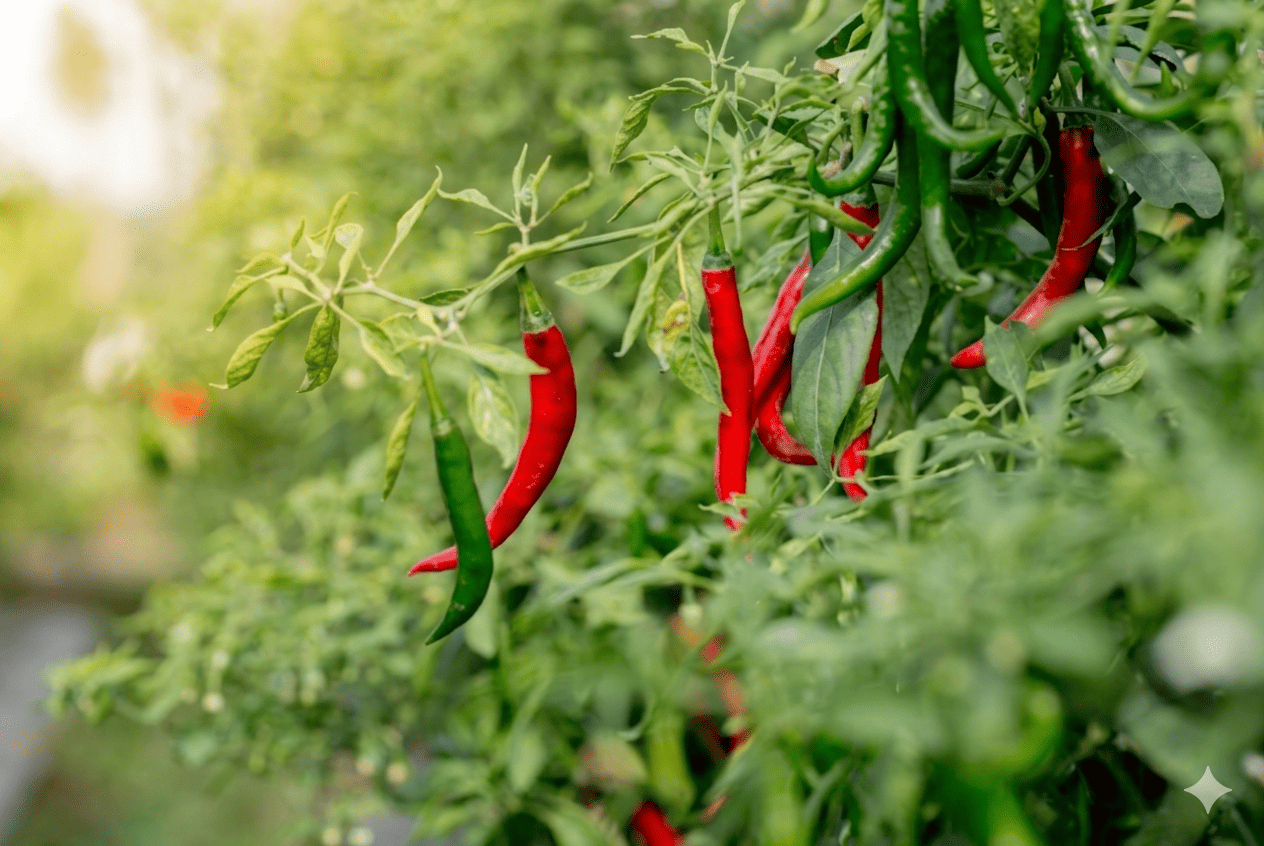
Chili (Capsicum spp.) is an important horticultural crop widely cultivated in tropical and subtropical regions. Its productivity is highly dependent on proper nutrient management, as chili plants require balanced and sufficient nutrients throughout their growth cycle. Fertilization is therefore a critical agronomic practice aimed at ensuring optimal plant growth, yield, and fruit quality.
In modern agriculture, fertilization is not only about supplying nutrients but also about applying them efficiently. Poor fertilization practices can lead to nutrient losses, environmental pollution, and reduced crop productivity. Thus, understanding fertilization techniques is essential for sustainable chili cultivation.
Table of Content :
- Nutrient Requirements of Chili Plants
- Types of Fertilizers Used in Chili Cultivation
- Methods of Fertilizer Application
- Timing and Frequency of Fertilization
- Factors Affecting Fertilization Efficiency
- Optimize Fertilizer Products
- Conclusion
Nutrient Requirements of Chili Plants
Chili plants require essential macronutrients such as nitrogen (N), phosphorus (P), and potassium (K), as well as micronutrients in smaller amounts. Nitrogen promotes vegetative growth, phosphorus supports root development and flowering, while potassium enhances fruit formation and plant resistance.
A deficiency in any of these nutrients can limit plant growth due to the principle of the limiting factor. The availability of nutrients in the soil is often insufficient due to continuous cropping and nutrient removal during harvest.
Therefore, external inputs in the form of fertilizers are necessary to maintain soil fertility and support plant growth. Balanced fertilization ensures that nutrient supply matches plant demand at different growth stages.
Types of Fertilizers Used in Chili Cultivation
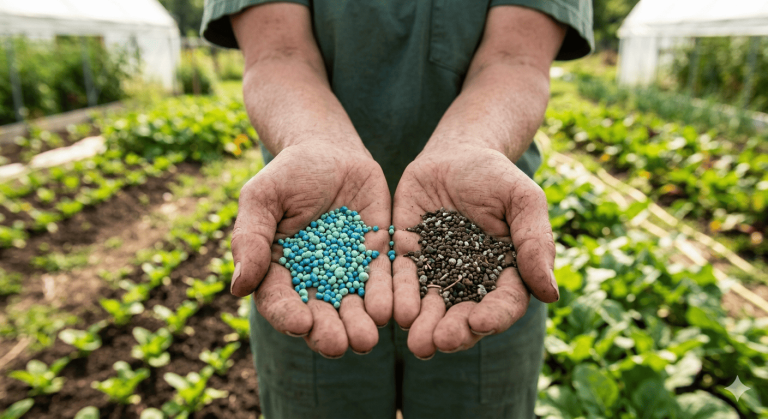
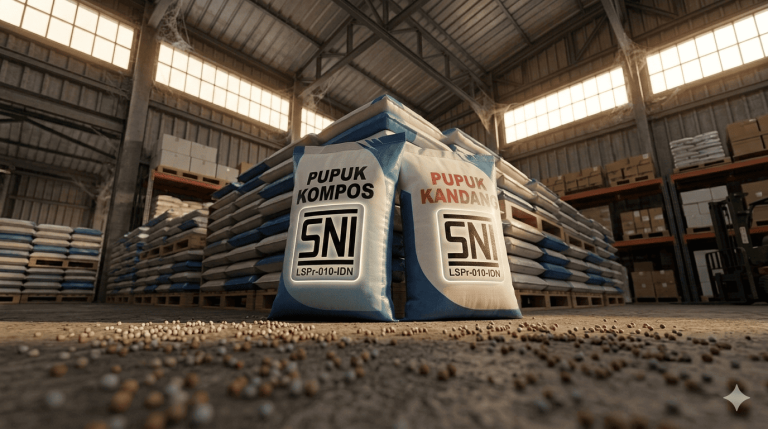
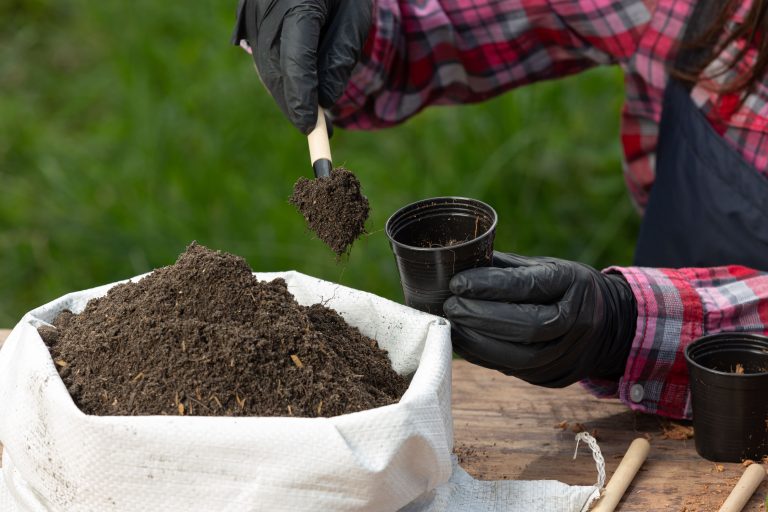
Fertilizers or manure used in chili farming can be classified into organic and inorganic types. Organic manure, such as compost and manure, improve soil structure, enhance microbial activity, and provide nutrients gradually. Meanwhile, inorganic manure supply nutrients in readily available forms and are often used to meet immediate plant requirements.
Common inorganic manure include urea (46-0-0) as a nitrogen source, triple superphosphate (0-46-0) for phosphorus, and potassium chloride (0-0-60) for potassium. These fertilizers can be applied individually or in blended forms to achieve the desired nutrient ratio for chili plants.
The selection of fertilizer type should consider soil conditions, crop needs, and economic factors. Combining organic and inorganic manure is often recommended to achieve both short term and long term soil fertility improvement.
Read also :
Rice Fertilization Management: 3 Proven Strategies to Boost Yield and Soil Health
Methods of Fertilizer Application
There are several methods commonly used in chili cultivation, each with specific advantages. The broadcasting method involves spreading fertilizers evenly over the soil surface and is suitable for basal application.
This method is simple but may lead to nutrient losses if not properly managed. The band placement method involves applying fertilizers near the root zone, allowing more efficient nutrient uptake.
This technique reduces nutrient losses and improves fertilizer use efficiency. Additionally, fertigation, which delivers nutrients through irrigation systems, is increasingly used in intensive chili farming due to its precision and effectiveness.
Foliar application is another method where nutrients are sprayed directly onto plant leaves. This technique is useful for supplying micronutrients or correcting nutrient deficiencies quickly. However, it should not replace soil as the primary nutrient source.
Timing and Frequency of Fertilization
Proper timing is crucial in fertilization to match nutrient availability with plant demand. Nitrogen, being highly mobile in the soil, should be applied in split doses to reduce losses and improve efficiency.
In chili cultivation, fertilization is generally divided into basal and top dressing applications. Basal fertilization is applied before or during planting to support early growth, while top dressing is applied during vegetative and reproductive stages to sustain plant development.
Splitting fertilizer applications helps ensure that nutrients are available when plants need them most. Frequent but moderate fertilization is often more effective than a single large application. This approach minimizes nutrient leaching and enhances nutrient uptake efficiency by the plants.
Factors Affecting Fertilization Efficiency
Several factors influence the effectiveness of fertilization in chili cultivation. Soil properties such as pH, texture, and organic matter content determine nutrient availability and retention. Environmental factors like rainfall and temperature also affect nutrient dynamics in the soil.
Improper fertilization practices, such as excessive or insufficient application, can negatively impact plant growth. Over fertilization may lead to nutrient imbalance, toxicity, and environmental pollution, while under fertilization results in poor plant performance.
Therefore, soil testing is recommended to determine appropriate fertilizer rates and compositions. Additionally, the principle of “right product, right rate, right time, and right place” should be applied to optimize fertilization practices. This integrated approach ensures efficient nutrient use and sustainable crop production.
Optimize Fertilizer Products
Effective fertilization management is not just about application it’s about ensuring real impact in the field. Make sure your fertilizer delivers measurable results, from nutrient absorption to crop productivity.
Partner with IML Testing and Research to validate your products through efficacy testing and nutrient content analysis, ensuring your fertilizer is both effective and trusted in the market.
Conclusion
Fertilization techniques play a vital role in the successful cultivation of chili plants. Proper selection of fertilizer types, appropriate application methods, and correct timing are essential to achieve optimal growth and high yields. Balanced nutrient management not only improves productivity but also maintains soil fertility and environmental sustainability.
By adopting efficient fertilization strategies, farmers can enhance chili production while minimizing negative environmental impacts. Therefore, continuous improvement in fertilization practices is necessary to support sustainable agricultural development.
Author : Fachry
Editor : Alphi
References
Fertilizers Europe. (2018). Fertilizer basics: Why we need fertilizers, where they come from, how they work, and how they are used. Brussels: Fertilizers Europe.
Maguire, R., Alley, M., & Flowers, W. (2019). Fertilizer types and calculating application rates. Virginia Cooperative Extension, Virginia Tech.
Purba, T., Situmeang, R., Rohman, H. F., Mahyati, A., Firgiyanto, R., Junaedi, A. S., … Suhastyo, A. A. (2021). Pupuk dan teknologi pemupukan. Medan: Yayasan Kita Menulis.