Stop Using Expired Cosmetics: The Hidden Risks to Your Skin

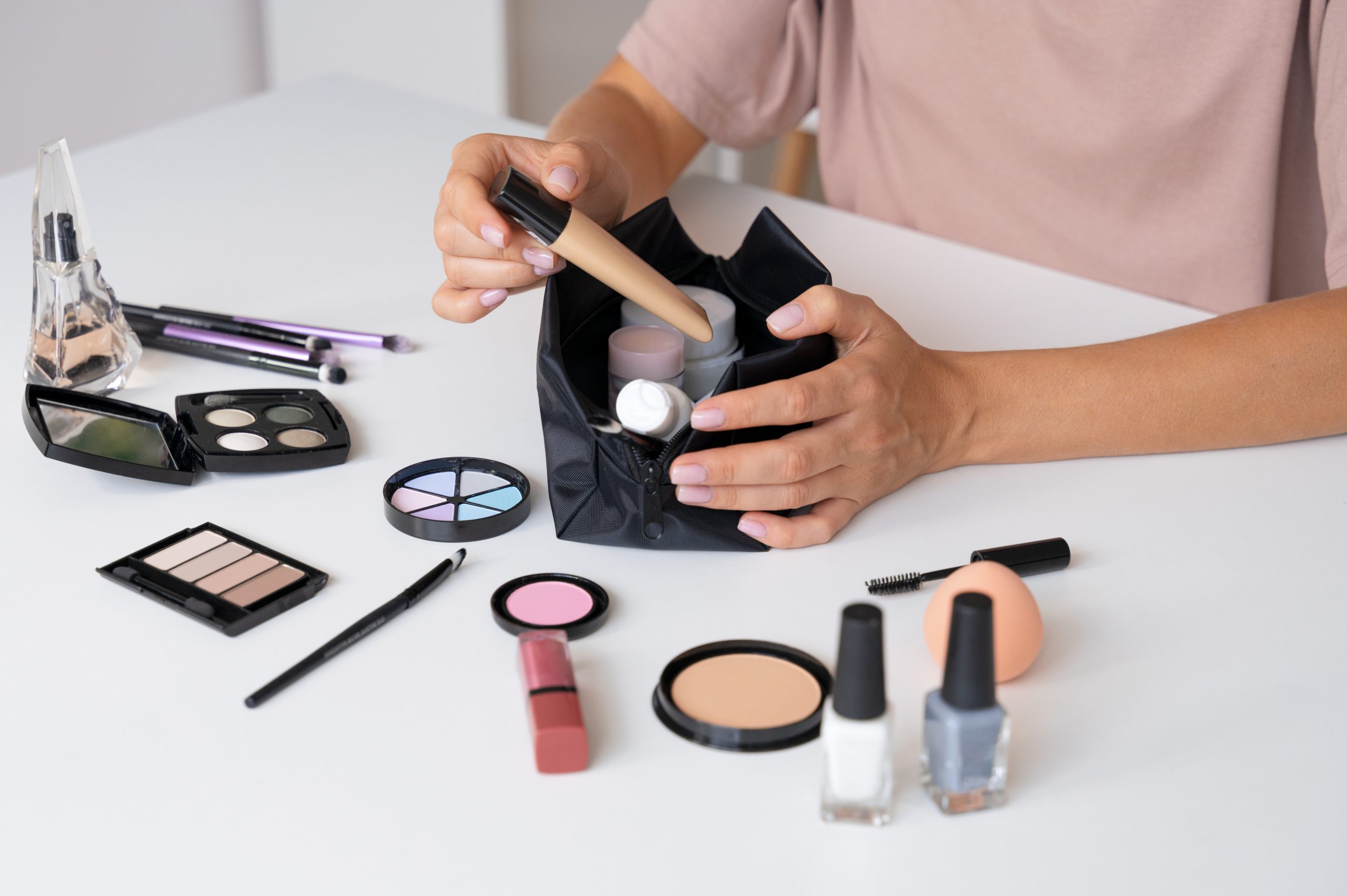
Cosmetics are often considered safe to use as long as their texture and scent remain unchanged. However, in reality, products that have passed their expiration date can undergo quality degradation that is not always visibly noticeable.
Changes in composition, microbial growth, and reduced effectiveness of active ingredients can increase risks to skin health. So, what really happens to expired cosmetics, and why can their use be harmful?
Table of Content :
- The Beginning of Contamination
- Cosmetic Product Safety
- Management of Expired Cosmetics
- Regulations and Practices Across Different Countries
- Types of Cosmetic Waste
- Cosmetic Packaging Management
- Conclusion
The Beginning of Contamination
Cosmetics are products designed to be used within a specific period, indicated by an expiration date or a period after opening (PAO) symbol. This shelf life is not determined arbitrarily, but rather based on stability testing against chemical, physical, and microbiological changes.
Chemically, active ingredients in cosmetics such as vitamin C, retinol, or ultraviolet (UV) filters can undergo degradation through oxidation, hydrolysis, and photodegradation. Physically, products such as creams and lotions, which are emulsion systems, may experience phase separation (oil and water phases separating), as well as changes in viscosity, color, and odor.
From a microbiological perspective, the effectiveness of preservatives may decrease over time, making the product more susceptible to contamination by microorganisms. These factors distinguish cosmetics before and after expiration.
Read also :
Don’t Let Microbial Contamination Affect Your Cosmetic Products
Cosmetic Product Safety
Products within their shelf life maintain guaranteed stability and safety, whereas expired products no longer meet these standards. Moving to the next point, it is important to understand that expired cosmetics should not be reused.
Although they may appear visually normal, such products may already be contaminated with bacteria and fungi that are not visible to the naked eye. In addition, the chemical compounds within the product may transform into forms that are potentially irritating or even toxic to the skin.
For example, the oxidation expired cosmetics of oils can produce peroxide compounds that may trigger irritation. Therefore, the assumption that a cosmetic product is still safe simply because it has not changed in color or odor is misleading. Scientifically, changes can occur at the molecular level without being visibly detectable.
Management of Expired Cosmetics
From a consumer perspective, expired cosmetics should be managed properly. These products should not be disposed of directly into drains such as sinks or toilets, as many cosmetic ingredients such as UV filters like oxybenzone are persistent and difficult to degrade in the environment.
These substances can contaminate water bodies and negatively impact aquatic organisms. Instead, the product contents should be discarded as household residual waste, while the packaging should be separated and recycled according to its material type (plastic, glass, or metal).
Regulations and Practices Across Different Countries
In some countries and major cities, take back programs for expired cosmetics are available through manufacturers or retailers, allowing consumers to return used products for safer handling. The management of cosmetic waste is also regulated by various policies.
In Indonesia, industrial waste management, including cosmetic waste, is overseen by the Kementerian Lingkungan Hidup dan Kehutanan under frameworks such as Government Regulation No. 22 of 2021 on environmental protection and management. Internationally, cosmetic manufacturing practices follow standards such as ISO 22716, which emphasize that products that no longer meet specifications, including expired products, must be withdrawn and destroyed rather than reprocessed.
This is closely related to the fact that expired cosmetics cannot be recycled into new products. The degradation of active ingredients, potential microbial contamination, and changes in formulation structure mean that the product no longer meets safety standards.
Types of Cosmetic Waste
Attempts such as reheating cannot restore stability or eliminate all contamination risks. Therefore, cosmetic manufacturers generally do not rework expired products. Instead, such waste is sent to licensed waste treatment facilities. At the industrial level, cosmetic waste is handled through several methods.
Liquid waste is typically treated in wastewater treatment plants using physical chemical and biological processes, such as coagulation, flocculation, and biodegradation by microorganisms. The goal is to reduce pollutant levels before the water is discharged into the environment.
For solid or semi solid waste such as creams and lotions, the most common method is incineration (high-temperature combustion). This process effectively destroys complex organic compounds, microorganisms, and microplastics, thereby minimizing environmental impact.
Cosmetic Packaging Management
Meanwhile, packaging that is still suitable is separated and recycled. Globally, these practices are also implemented in many countries with strict regulations regarding chemical and consumer product waste.
The European Union, for example, has a waste management framework that requires the safe treatment of products that may pollute the environment. The main principle is to prevent hazardous substances from entering ecosystems without proper treatment.
Don’t wait until it affects your skin
Expired cosmetics don’t just lose quality they can also trigger irritation and even serious skin issues. Ensure your products remain safe throughout their shelf life with stability and safety testing at IML Testing and Research. Consult now to maintain quality and consumer trust.
Conclusion
In conclusion, expired cosmetics should not be reused because they have undergone chemical, physical, and microbiological changes that may pose risks to skin health. From a consumer standpoint, these products should be disposed of as residual waste and not discharged into water systems, while take back programs should be utilized when available.
From an industrial perspective, waste is managed through controlled systems such as treatment facilities and incineration in accordance with regulations. With proper handling, risks to both human health and the environment can be minimized.
Author : Delfia
Editor : Alphi
References :
International Organization for Standardization. (2007). ISO 22716:2007—Cosmetics—Good manufacturing practices (GMP)—Guidelines on good manufacturing practices.
Pemerintah Republik Indonesia. (2021). Peraturan Pemerintah Nomor 22 Tahun 2021 tentang penyelenggaraan perlindungan dan pengelolaan lingkungan hidup.