Why Fertilizer Laboratory Testing Is Key to Sustainable Food Production?


Fertilizers play a crucial role in ensuring that the world’s growing population has enough food to eat. From the earliest stages of plant growth in the soil to the final products that reach our plates, fertilizers act as an invisible yet indispensable force driving agricultural productivity. Understanding how fertilizers contribute to the global food supply helps us appreciate their importance not only to farmers but also to every consumer who depends on safe, nutritious, and affordable food.
- Feeding a Growing Population
- The Role of Fertilizers in Crop Growth
- Types of Fertilizers
- From Raw Materials to Fertilizer Products
- Applying Fertilizers Wisely
- Fertilizers and Food Quality
- Environmental Considerations
- The Economic Value of Fertilizers
- Fertilizers and Sustainable Agriculture
Feeding a Growing Population
According to the Food and Agriculture Organization (FAO), the world’s population is projected to reach 9.1 billion by 2050. To meet this demand, food production must increase by approximately 60% compared to 2007 levels. Expanding farmland is not a sustainable solution due to deforestation, biodiversity loss, and greenhouse gas emissions. Therefore, improving the productivity of existing farmland is the only viable path forward. Fertilizers are key to this “sustainable intensification” — producing more food on the same area of land while maintaining environmental balance.
The Role of Fertilizers in Crop Growth
Plants require sunlight, water, and a balanced supply of nutrients such as nitrogen (N), phosphorus (P), and potassium (K) to grow and produce food. These nutrients are absorbed from the soil through the roots and are essential for various physiological processes such as photosynthesis, energy transfer, and the formation of proteins and carbohydrates. When crops are harvested, many of these nutrients are removed from the soil. Without replenishment, the soil becomes less fertile, leading to declining yields. Fertilizers restore these nutrients, ensuring that plants have everything they need for healthy growth and high productivity.
Types of Fertilizers
There are two main types of fertilizers: organic and inorganic (chemical).
1. Organic Fertilizer
Organic fertilizers, such as compost, manure, and green manure, are derived from natural sources like plant residues or animal waste. They improve soil structure, enhance microbial activity, and increase the soil’s capacity to retain water and nutrients. However, their nutrient content is relatively low and varies depending on the source.
2. Inorganic Fertilizer
Inorganic or mineral fertilizers, on the other hand, are industrially produced and provide precise amounts of nutrients in readily available forms. The three primary nutrients—nitrogen, phosphorus, and potassium—are often combined in specific ratios known as N-P-K formulations (e.g., 16-16-16 or 20-10-10). These fertilizers deliver nutrients efficiently and quickly, making them essential for modern intensive agriculture.
From Raw Materials to Fertilizer Products
Fertilizer production involves transforming natural raw materials into concentrated plant nutrients. Nitrogen fertilizers are typically produced by combining nitrogen from the air with hydrogen obtained from natural gas to form ammonia through the Haber-Bosch process. This ammonia is then used to produce urea, ammonium nitrate, or other nitrogen-based fertilizers.
Phosphorus fertilizers come from phosphate rock, which is chemically treated to produce phosphoric acid and later transformed into fertilizers such as diammonium phosphate (DAP) or triple superphosphate (TSP). Potassium fertilizers are derived from potash ores, which are mined, purified, and processed into products like potassium chloride or potassium sulfate.
Applying Fertilizers Wisely
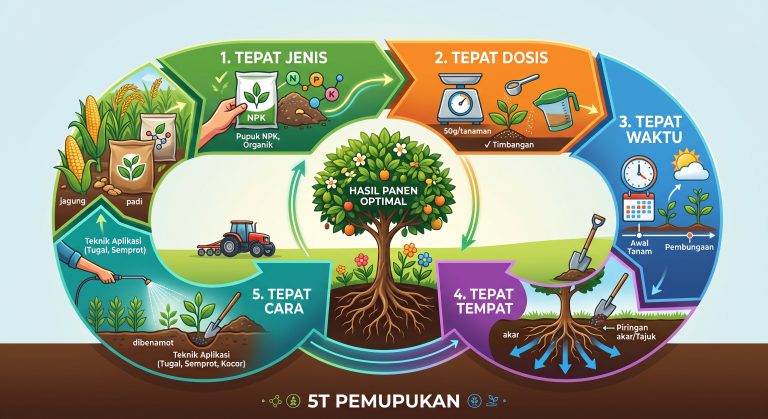
Applying fertilizers is both a science and an art. Farmers must use the right product, at the right rate, at the right time, and in the right place—a concept known as the 4R Nutrient Stewardship.
For example, nitrogen fertilizers should be applied close to the time when crops need them most to reduce losses through leaching or volatilization. Splitting fertilizer applications throughout the growing season can improve nutrient use efficiency and minimize environmental impact. Soil testing is essential to determine the existing nutrient levels and calculate the precise amount of fertilizer required.
Fertilizers and Food Quality
Fertilizers not only increase crop yields but also influence the nutritional quality of food. Adequate nitrogen promotes the formation of proteins in cereals, while potassium enhances the flavor, color, and texture of fruits and vegetables. Phosphorus is vital for root development and seed formation. Micronutrients like zinc, iron, and boron—when supplied through fertilizers—can help reduce human nutrient deficiencies, improving overall public health.
Environmental Considerations
While fertilizers are indispensable for food production, their misuse can cause environmental problems such as water pollution, greenhouse gas emissions, and soil degradation. Excess nitrogen and phosphorus can lead to eutrophication in water bodies, causing algal blooms that deplete oxygen and harm aquatic life. Therefore, responsible fertilizer management is critical. Modern innovations such as slow-release fertilizers, precision agriculture technologies, and biofertilizers are helping to reduce these risks by improving nutrient efficiency.
The Economic Value of Fertilizers
For farmers, fertilizers are a major investment that yields substantial returns. Studies show that every dollar spent on fertilizers can generate up to five dollars in increased crop value. This makes fertilizers not just an agricultural input but an economic driver that supports rural livelihoods and food security. Efficient fertilizer use enables farmers to produce more food on less land, helping stabilize food prices and making food more accessible to consumers.
Fertilizers and Sustainable Agriculture
Sustainability in agriculture depends on balancing productivity with environmental protection. Combining organic and inorganic fertilizers—known as integrated nutrient management—is one effective approach. Organic materials enhance soil health over the long term, while mineral fertilizers provide immediate nutrient availability. Together, they create a resilient agricultural system that supports both high yields and soil fertility for future generations.
For more:
Merging Agriculture and Forestry for a Sustainable Future
The journey of food begins in the soil. Fertilizers enrich that soil, enabling farmers to grow healthy plants that are harvested, processed, and transformed into the food we eat every day. Whether it’s rice in Asia, maize in Africa, or wheat in Europe, fertilizers ensure that crops have the nutrients they need to thrive. Without them, global food production would fall by nearly half, leading to shortages, higher prices, and increased hunger.
Conclusion
From the field to the plate, fertilizers are an invisible link connecting soil health, crop productivity, and human nutrition. They make it possible to feed billions of people sustainably and efficiently. However, as the demand for food continues to rise, society must prioritize responsible fertilizer use—guided by scientific knowledge and sustainable practices—to protect the environment while ensuring food security for future generations.
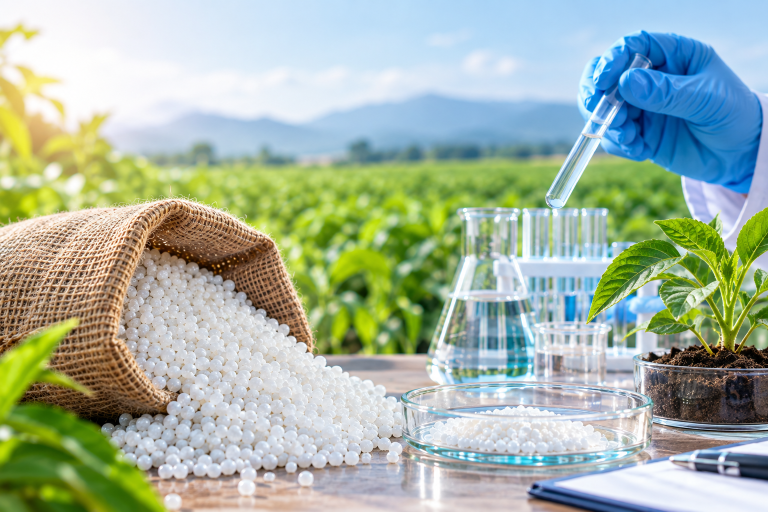
Behind the critical role of fertilizers in increasing agricultural productivity and food quality, there is one crucial aspect that is often overlooked: the assurance of fertilizer quality and nutrient composition. Inaccurate nutrient concentrations, potential contamination by heavy metals, or uncontrolled raw material quality can directly affect soil health, crop yields, and food safety. Therefore, fertilizer laboratory testing is an essential step to ensure that fertilizers are truly effective, safe, and aligned with regulatory standards and crop requirements.
To ensure that the fertilizers you produce, distribute, or use contain accurate nutrient levels and meet quality standards, laboratory testing serves as the foundation for responsible decision making. IML Testing and Research provides comprehensive, accurate, and reliable fertilizer testing services to help you maintain product quality, support sustainable agriculture, and protect the environment and the food supply chain. Make sure your fertilizers are laboratory tested before they are applied to the field.
Author: Fachry
Editor: Sabilla Reza
References
Fertilizers Europe. (2018). Fertilizer basics: Why we need fertilizers, where they come from, how they work, and how they are used. Brussels: Fertilizers Europe.
Maguire, R., Alley, M., & Flowers, W. (2019). Fertilizer types and calculating application rates. Virginia Cooperative Extension, Virginia Tech.
Purba, T., Situmeang, R., Rohman, H. F., Mahyati, A., Firgiyanto, R., Junaedi, A. S., … Suhastyo, A. A. (2021). Pupuk dan teknologi pemupukan. Medan: Yayasan Kita Menulis.