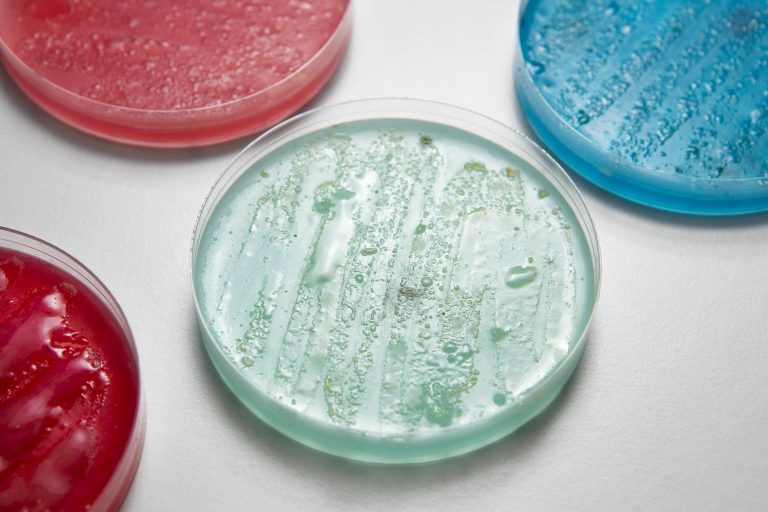
The Relationship Between Fertilizer Effectiveness Testing and Fertilizer Quality Testing in Improving Quality

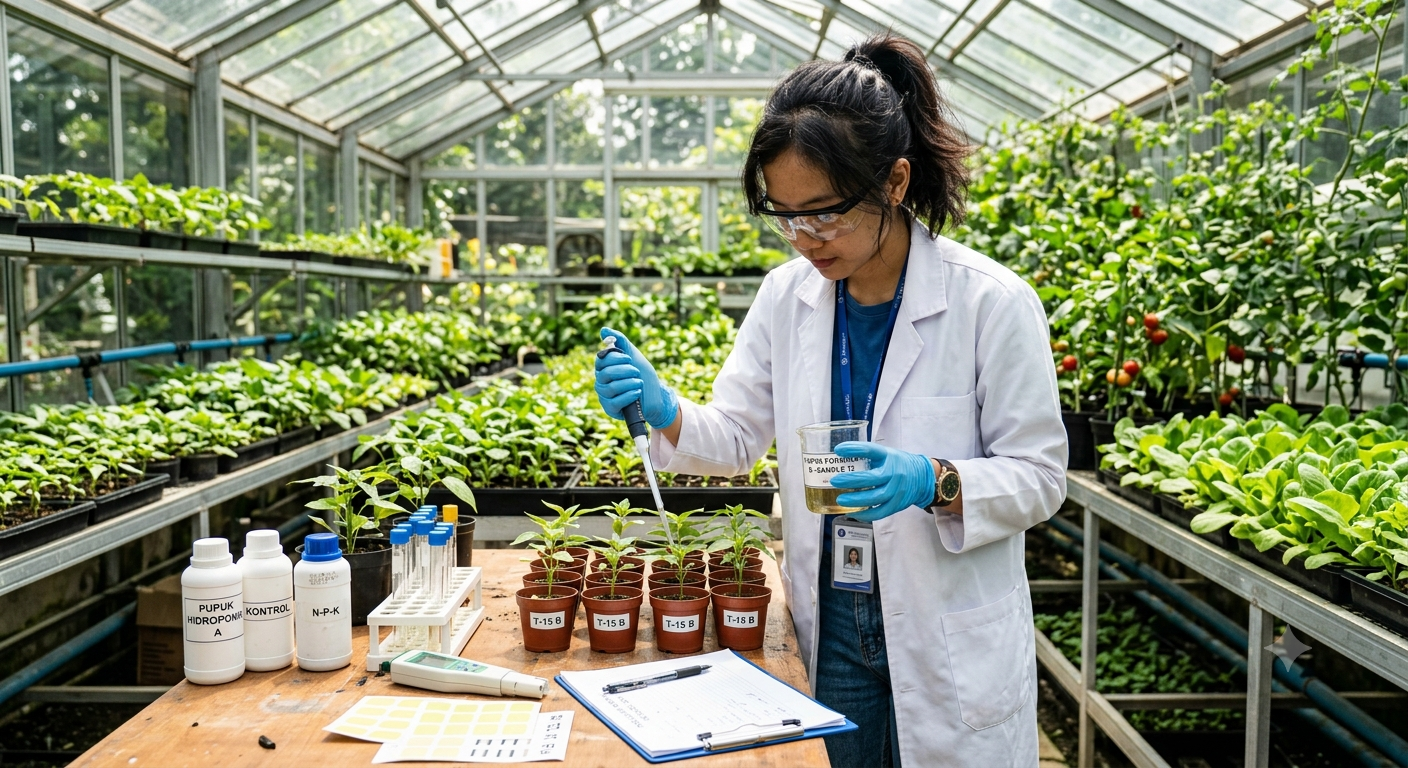
The success of modern agriculture depends not only on the availability of fertilizers but also on their quality and performance in the field. As fertilizer products continue to diversify, farmers are faced with numerous choices, ranging from conventional fertilizers to newly developed formulations.
However, a fertilizer effectiveness testing that appears promising on its label may not always deliver the expected results. This is why fertilizer quality testing and effectiveness testing are both essential.
Although these two evaluations have different objectives, they complement one another in ensuring that fertilizers are safe, reliable, and capable of improving crop productivity.
Table of Charts:
- Understanding Fertilizer Quality Testing
- Understanding Fertilizer Effectiveness Testing
- Why Both Tests Are Equally Important
Understanding Fertilizer Quality Testing
Fertilizer quality testing focuses on verifying whether a fertilizer meets its declared physical and chemical specifications. Laboratory analyses are conducted to measure nutrient content, determine moisture levels, assess particle size, evaluate solubility, and identify the presence of undesirable contaminants.
The objective is to ensure that the fertilizer complies with established standards and accurately reflects the information provided on its label. Quality testing protects farmers from purchasing substandard or counterfeit products.
If the nutrient composition differs significantly from the manufacturer's claims, crop performance may decline despite proper application practices. Therefore, laboratory verification serves as the first level of quality assurance before fertilizers enter the market.
It also supports regulatory agencies in maintaining product consistency and preventing unfair competition among manufacturers.
Read Also:
Common Mistakes When Mixing Botanical Pesticides That Can Reduce Product Effectiveness
Understanding Fertilizer Effectiveness Testing
While quality testing confirms what a fertilizer contains, fertilizer effectiveness testing determines how well the fertilizer performs under real agricultural conditions. This evaluation is typically conducted through greenhouse or field experiments, where treated crops are compared with appropriate control treatments using scientifically designed trials.
Fertilizer effectiveness testing measures various agronomic indicators, including plant growth, nutrient uptake, yield improvement, and economic returns. Environmental factors such as soil properties, climate, crop species, and management practices are also considered because they influence fertilizer performance.
A fertilizer with excellent laboratory specifications may still fail to produce significant yield improvements if its nutrients are not readily available to plants or if the formulation is unsuitable for specific field conditions.
Why Both Tests Are Equally Important
Quality testing and fertilizer effectiveness testing answer two different but interconnected questions. Quality testing asks, “Does the fertilizer meet its declared specifications?” Fertilizer effectiveness testing asks, “Does the fertilizer actually improve crop performance?” Only when both questions receive positive answers can a fertilizer be considered truly reliable.
Conducting only one of these evaluations creates potential risks. A fertilizer that passes laboratory analysis but has poor field performance may waste farmers' investments. Conversely, a fertilizer showing positive field results without verified quality specifications may produce inconsistent outcomes across different production batches.
Combining both assessments provides scientific evidence that a fertilizer is chemically sound and agronomically beneficial. This integrated approach also benefits fertilizer manufacturers.
Products supported by comprehensive quality and effectiveness data gain greater credibility among distributors, regulatory authorities, and end users. In increasingly competitive agricultural markets, scientifically validated products are more likely to earn long-term customer confidence.
Conclusion
Fertilizer quality testing and fertilizer effectiveness testing should never be viewed as separate or competing processes. Instead, they function as complementary components of a comprehensive fertilizer evaluation system.
Quality testing ensures that fertilizers meet established standards and contain the nutrients promised by the manufacturer, while effectiveness testing verifies that these nutrients translate into measurable improvements in crop growth and yield. Together, these evaluations strengthen farmer confidence, support regulatory compliance, and promote sustainable agricultural productivity.
Before selecting or marketing any fertilizer product, make sure it has undergone both quality testing and fertilizer effectiveness testing. Scientific verification not only protects farmers from ineffective products but also encourages innovation and accountability within the fertilizer industry.
Investing in properly tested fertilizers is an investment in higher productivity, better resource efficiency, and a more sustainable future for agriculture.
Ensure Fertilizer Quality and Effectiveness
A quality fertilizer is not only measured by its nutrient content, but also by how effectively it supports plant growth. That is why fertilizer quality testing and effectiveness testing should complement each other to make product claims more measurable and credible. With IML Testing and Research, brands can conduct professional fertilizer testing to help ensure product quality, effectiveness, and competitiveness before entering the market.
Author: Fachry
Editor: Lina
References
Maguire, R., Alley, M., & Flowers, W. (2019). Fertilizer Types and Calculating Application Rates. Virginia Cooperative Extension.
Ministry of Agriculture of the Republic of Indonesia. (2020). Pedoman Pengawasan Pupuk dan Pestisida. Directorate General of Agricultural Infrastructure and Facilities.
Pusat Penelitian dan Pengembangan Tanah dan Agroklimat. (2004). Petunjuk Teknis Uji Mutu dan Efektivitas Pupuk Alternatif Anorganik. Bogor: Balai Penelitian Tanah.
Purba, T., Situmeang, R., Rohman, H. F., Mahyati, A., Firgiyanto, R., Junaedi, A. S. Suhastyo, A. A. (2021). Pupuk dan teknologi pemupukan. Medan: Yayasan Kita Menulis.