


The Difference Between NPK Fertilizers 15-15-15 and 16-16-16 You Should Know

Learn the difference between NPK fertilizers 15-15-15 and 16-16-16 fertilizers and why testing nitrogen, phosphorus, and potassium content is important.

Learn the difference between NPK fertilizers 15-15-15 and 16-16-16 fertilizers and why testing nitrogen, phosphorus, and potassium content is important.
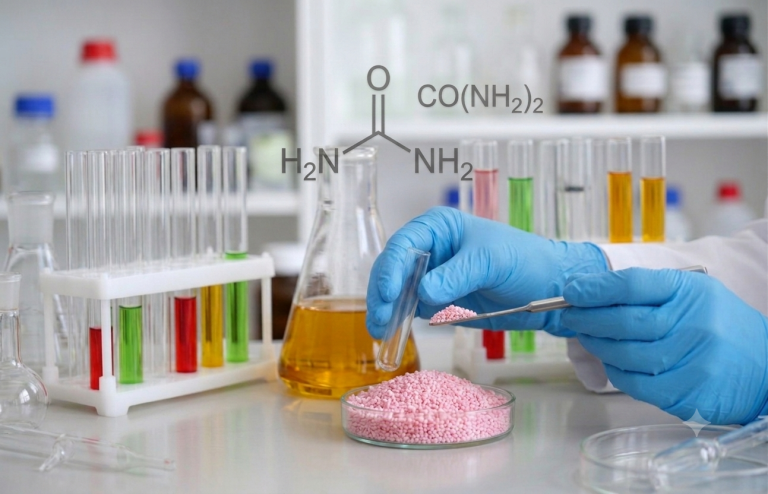
Does your urea fertilizer contain the claimed nitrogen level? Discover why laboratory testing is essential for product quality and compliance.

What should be tested in oil palm fertilizers before marketing? Discover the key parameters needed to ensure product quality, safety, and compliance.

Learn why liquid foliar fertilizers require testing to verify nutrient content, formulation stability, crop safety, and product effectiveness.
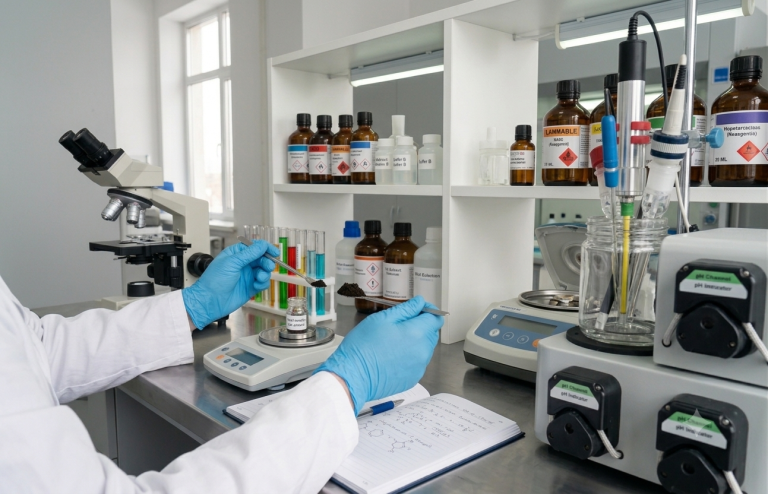
Learn why the nitrogen (N), phosphorus (P), and potassium (K) content of NPK fertilizers should be tested to ensure product quality, specification compliance, and consistent performance before commercialization.

The relationship between fertilizer quality testing and fertilizer effectiveness testing is important to understand to ensure product content, quality, and benefits are more measurable. Learn how laboratory testing supports more credible fertilizer claims.

Learn why plant fertilizer testing is important before market release to ensure product quality, safety, nutrient content, and regulatory compliance.

Bioluminescent fungi are capable of emitting natural light. How does Mycena chlorophos shine and the role of microbiology laboratory testing behind it?