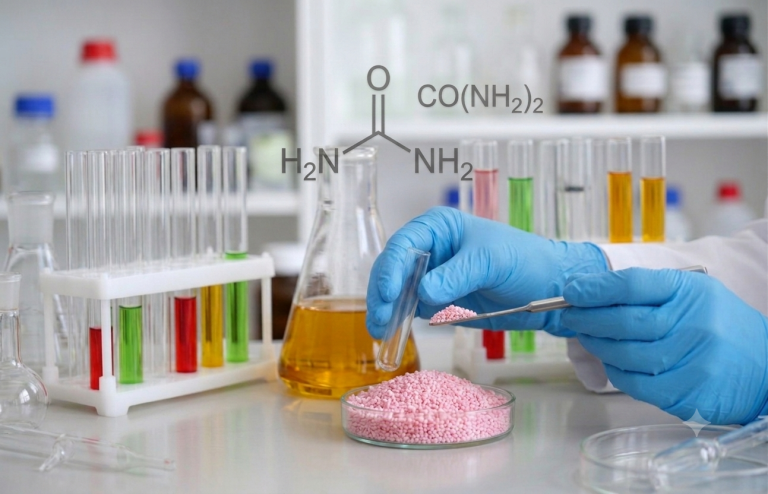
NPK Fertilizer: 3 Reasons Why Nitrogen, Phosphorus, and Potassium Content Should Be Tested


NPK fertilizer is a widely used type of fertilizer because it contains three main macronutrients: nitrogen (N), phosphorus (P), and potassium (K). These three nutrients are needed by plants for optimal growth and development.
Nitrogen plays a role in leaf and stem formation, phosphorus supports root development, flowering, and fruit formation, while potassium helps increase plant resistance to environmental stress and improves crop quality.
Table of Content:
- The Importance of Nitrogen, Phosphorus, and Potassium
- Why NPK Fertilizer Content Must Be Tested
- Benefits of Accurate Nutrient Analysis
The Importance of Nitrogen, Phosphorus, and Potassium
Each primary nutrient has a distinct role in plant development. Nitrogen is responsible for promoting leaf and stem growth by supporting chlorophyll formation and protein synthesis. A deficiency of nitrogen often results in stunted growth and yellowing leaves, while excessive nitrogen can encourage excessive vegetative growth at the expense of flowering and fruit production.
Phosphorus plays a vital role in energy transfer, root development, and early plant establishment. It also contributes to seed formation and crop maturity.
Plants lacking sufficient phosphorus may exhibit poor root systems, slow growth, and delayed flowering. Potassium, meanwhile, regulates water balance, activates numerous enzymes, strengthens plant tissues, and improves resistance to pests, diseases, and environmental stress. Adequate potassium also enhances crop quality, including fruit size, color, and storage life.
Read Also:
Fake NPK Fertilizers: Their Impact on Crops and How to Test Them
Why NPK Fertilizer Content Must Be Tested
The nutrient content stated on fertilizer packaging should accurately represent the product inside. Laboratory testing verifies whether the concentrations of nitrogen, phosphorus, and potassium comply with regulatory standards and manufacturer claims.
This verification is essential because inaccurate nutrient levels may lead to ineffective fertilization and economic losses for farmers. Testing also helps identify substandard or counterfeit fertilizers that contain lower nutrient concentrations than advertised.
Such products may appear identical to genuine fertilizers but fail to supply sufficient nutrients for optimum crop growth. By analyzing fertilizer samples under standardized laboratory conditions, authorities and manufacturers can ensure product consistency and protect farmers from misleading products.
Benefits of Accurate Nutrient Analysis
Accurate nutrient analysis provides benefits to every stakeholder in the agricultural supply chain. Farmers can confidently select fertilizers that match their crop requirements, reducing the risk of nutrient deficiencies or excessive fertilizer application.
Proper nutrient management also improves fertilizer use efficiency, allowing crops to absorb more nutrients while minimizing environmental losses through leaching or runoff. For fertilizer manufacturers, routine laboratory testing demonstrates commitment to quality assurance and regulatory compliance.
Conclusion
Testing the nitrogen, phosphorus, and potassium content of fertilizers is more than a regulatory requirement—it is an essential practice for ensuring product quality, agricultural productivity, and environmental sustainability. Accurate laboratory analysis confirms that fertilizers contain the nutrients promised on their labels and enables farmers to make informed decisions about nutrient management. Combined with proper application practices, verified NPK content contributes to healthier crops, improved yields, and greater confidence throughout the agricultural sector.
Before purchasing or applying any fertilizer, make sure its nitrogen, phosphorus, and potassium contents have been scientifically tested and verified. Choosing fertilizers with proven nutrient quality protects your investment, supports sustainable farming, and helps maximize crop productivity. Reliable fertilizer testing is not just about meeting standards—it is about ensuring better harvests and a stronger future for agriculture.
Prove the Quality of Your NPK Fertilizer with Laboratory Testing
Don’t let your NPK fertilizer quality remain just a claim. Verify the nitrogen (N), phosphorus (P), and potassium (K) content through chemical assay testing. IML Testing and Research supports fertilizer manufacturers, distributors, and brand owners with accurate laboratory data to strengthen product quality and customer confidence.
Contact the IML Testing and Research team today to discuss your NPK fertilizer testing needs.
Author: Fachry
Editor: Lina
References
Maguire, R., Alley, M., & Flowers, W. (2019). Fertilizer Types and Calculating Application Rates. Virginia Cooperative Extension.
Ministry of Agriculture of the Republic of Indonesia. (2020). Pedoman Pengawasan Pupuk dan Pestisida. Directorate General of Agricultural Infrastructure and Facilities.
Purba, T., Situmeang, R., Rohman, H. F., Mahyati, A., Firgiyanto, R., Junaedi, A. S. Suhastyo, A. A. (2021). Pupuk dan teknologi pemupukan. Medan: Yayasan Kita Menulis.