Optimizing the Role of Microorganisms through Proper Organic Fertilizer Laboratory Testing

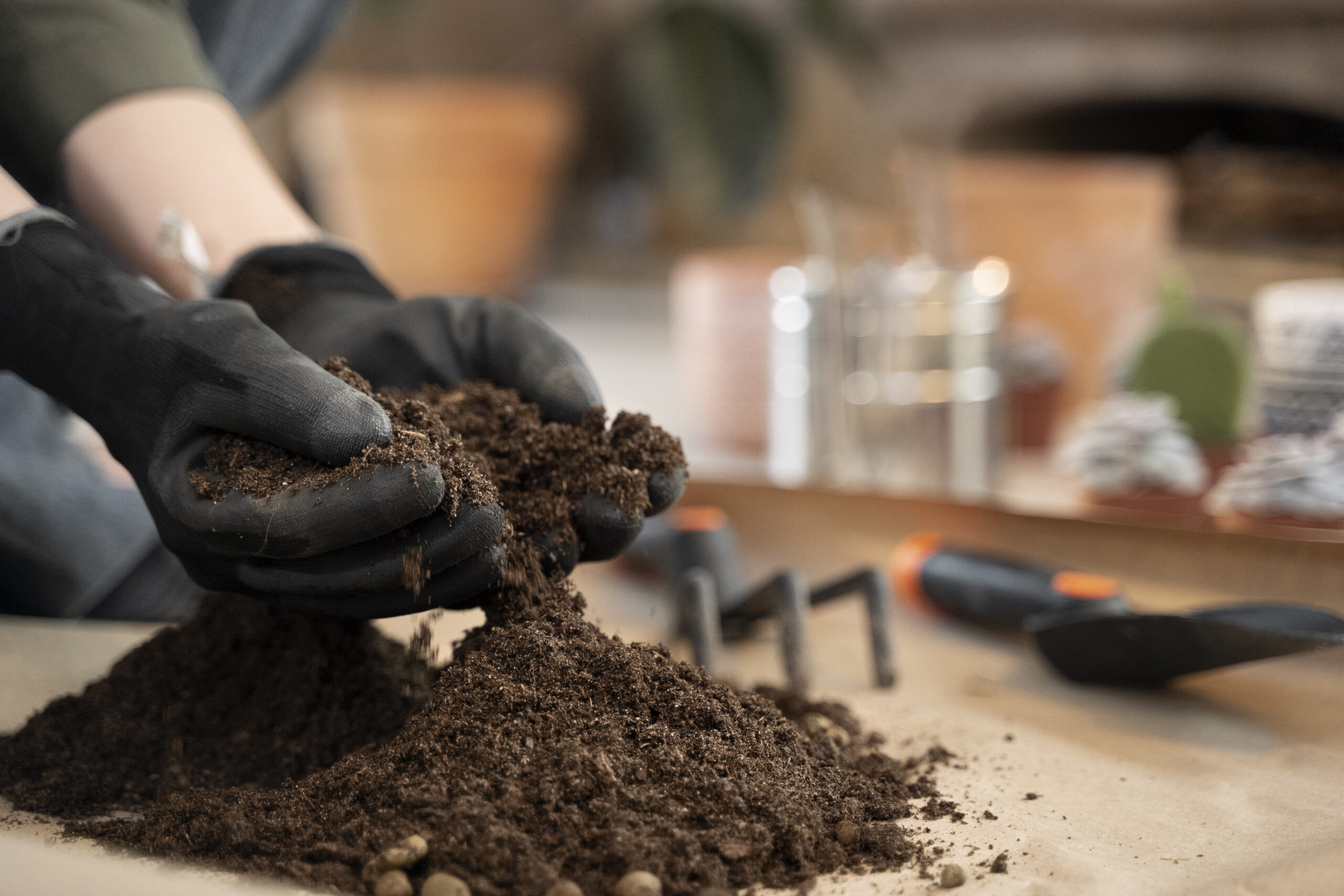
Microorganisms play a crucial role in the production of organic fertilizers. These microscopic living organisms—such as bacteria, fungi, and actinomycetes—are the main drivers of the decomposition process that transforms organic waste into nutrient-rich fertilizer.
Without microbial activity, organic materials like crop residues, animal manure, and household organic waste would decompose very slowly and would not provide optimal benefits for agricultural soils.
Understanding the role of microorganisms helps farmers and practitioners produce higher-quality organic fertilizers that support sustainable agriculture.
- Understanding Organic Fertilizer
- Types of Microorganisms Involved
- Microorganisms in the Decomposition Process
- Nutrient Transformation and Availability
- Benefits of Microorganism-Based Organic Fertilizers
- Factors Affecting Microbial Activity
Understanding Organic Fertilizer
Organic fertilizer is derived from natural materials of plant or animal origin that have undergone biological decomposition. Unlike chemical fertilizers, organic fertilizers improve soil structure, increase organic matter content, and support soil life.
The effectiveness of organic fertilizer largely depends on how well microorganisms break down complex organic compounds into simpler forms that plants can absorb. Therefore, microorganisms are not just contributors but the core agents in organic fertilizer production.
Types of Microorganisms Involved
Several groups of microorganisms are actively involved in organic fertilizer production. Bacteria are the most abundant and are responsible for breaking down simple organic compounds such as sugars, proteins, and amino acids.
Some bacteria also play a role in nitrogen transformation, making this essential nutrient more available to plants.
Fungi are especially important in decomposing complex materials like cellulose and lignin found in plant residues.
Their thread-like structures allow them to penetrate tough organic matter that bacteria cannot easily break down.
Actinomycetes are a group of microorganisms that share characteristics of both bacteria and fungi.
They are particularly effective in breaking down resistant organic materials and contribute to the earthy smell of mature compost.
Microorganisms in the Decomposition Process
The production of organic fertilizer typically involves a controlled decomposition process, such as composting. Microorganisms initiate this process by consuming organic materials as a food source.
During decomposition, they release enzymes that break down complex organic substances into simpler compounds. As the process continues, organic matter is converted into humus, a stable form of organic material that improves soil fertility.
Microbial activity also generates heat, which helps eliminate harmful pathogens and weed seeds, making the final fertilizer safer for agricultural use.
Nutrient Transformation and Availability
One of the most important roles of microorganisms is nutrient transformation. Organic materials often contain nutrients in forms that plants cannot directly absorb.
Microorganisms convert these nutrients into available forms through processes such as mineralization. For example, nitrogen present in organic matter is transformed into ammonium and nitrate, which plants can readily use.
Phosphorus and sulfur are also released from organic compounds through microbial action. This gradual release of nutrients ensures a steady supply for plants and reduces the risk of nutrient loss through leaching.
Read more:
Why is Fertilizer Nutrient Content Lab Testing Necessary?
Benefits of Microorganism-Based Organic Fertilizers
Organic fertilizers produced with active microbial involvement offer several advantages. They improve soil structure by increasing aggregation, which enhances water retention and aeration.
Healthy microbial populations also stimulate biological activity in the soil, creating a balanced soil ecosystem.
In addition, organic fertilizers help maintain long-term soil fertility.
Unlike synthetic fertilizers that provide nutrients quickly but temporarily, organic fertilizers support sustainable nutrient cycling. This makes them particularly suitable for environmentally friendly and sustainable farming systems.
Factors Affecting Microbial Activity
The effectiveness of microorganisms in producing organic fertilizer depends on several factors. Moisture content is essential, as microorganisms require water to survive and function.
Temperature also plays a significant role; most decomposer microorganisms work best under warm conditions. The carbon-to-nitrogen (C/N) ratio of organic materials is another key factor.
A balanced C/N ratio supports efficient microbial growth and decomposition. Materials that are too rich in carbon decompose slowly, while excessive nitrogen can cause unpleasant odors and nutrient loss.
Conclusion
Microorganisms are the foundation of organic fertilizer production. Through decomposition, nutrient transformation, and humus formation, they convert organic waste into valuable agricultural inputs.
Their activity not only supplies essential nutrients to plants but also improves soil health and sustainability. By managing conditions that support beneficial microorganisms, farmers can produce high-quality organic fertilizers and contribute to more resilient and environmentally responsible agricultural systems.
The quality of organic fertilizer is not determined solely by its raw materials, but also by the activity and concentration of microorganisms within it. Without proper testing, its effectiveness, stability, and safety cannot be scientifically verified.
Through fertilizer laboratory testing services at IML Testing and Research, you can conduct microorganism identification and concentration analysis, quality testing, and other essential parameters to ensure your fertilizer products meet quality standards and applicable regulations.
Make sure your organic fertilizer is not only conceptually good, but also scientifically validated through fertilizer laboratory testing with IML Testing and Research.
Author: Fachry
Editor: Sabilla Reza
References:
Fertilizers Europe. (2018). Fertilizer basics: Why we need fertilizers, where they come from, how they work, and how they are used. Brussels: Fertilizers Europe.
Maguire, R., Alley, M., & Flowers, W. (2019). Fertilizer types and calculating application rates. Virginia Cooperative Extension, Virginia Tech.
Purba, T., Situmeang, R., Rohman, H. F., Mahyati, A., Firgiyanto, R., Junaedi, A. S., Suhastyo, A. A. (2021). Pupuk dan teknologi pemupukan. Medan: Yayasan Kita Menulis.