Advantages and Disadvantages of Urea Fertilizer for Plants and the Environment

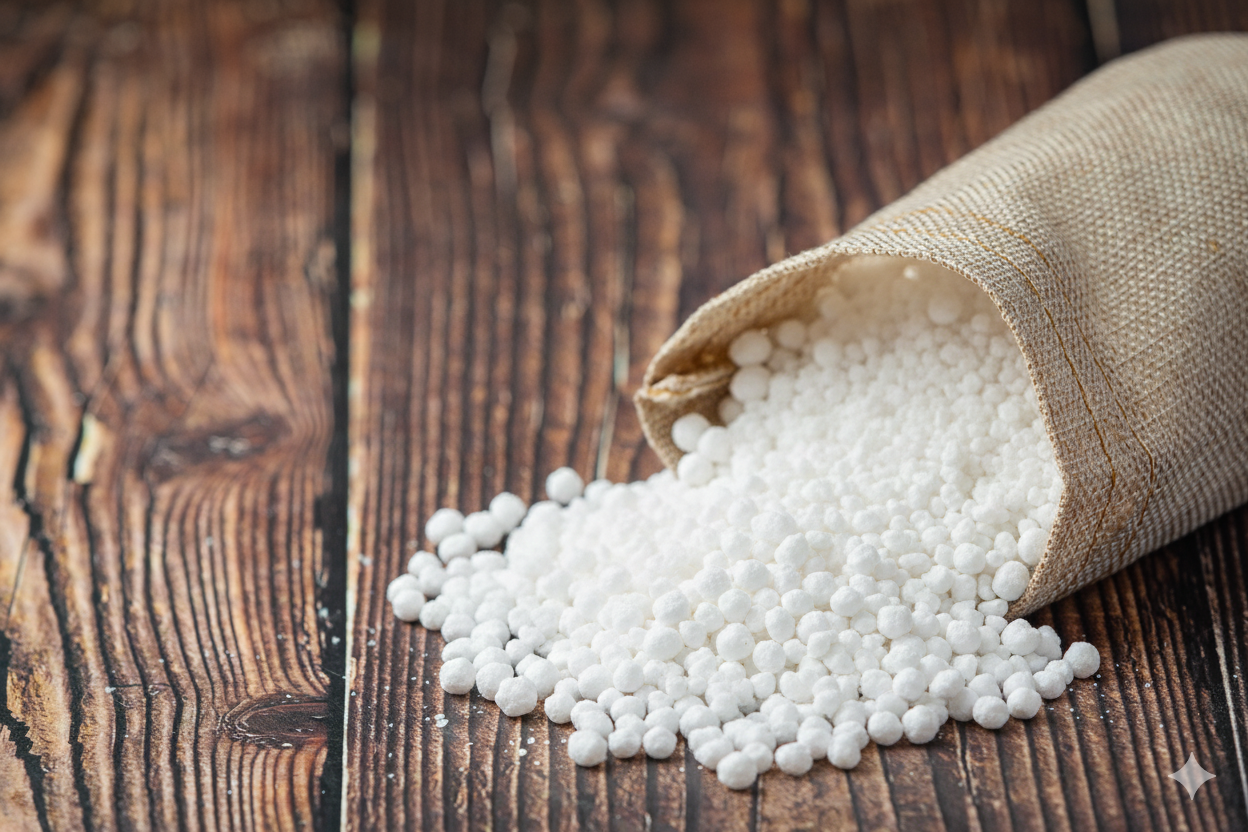
Urea is one of the most widely used nitrogen fertilizers in modern agriculture. Containing approximately 46% nitrogen, urea provides an efficient nutrient source that supports rapid plant growth and increased productivity.
Despite its advantages, the use of urea also poses several agronomic and environmental challenges. A balanced understanding of its strengths and weaknesses is essential for ensuring effective and sustainable fertilizer management.
- Strengths of Urea for Plant Growth
- Weaknesses of Urea for Plant Growth
- Environmental Advantages of Urea
- Environmental Disadvantages of Urea
Strengths of Urea for Plant Growth
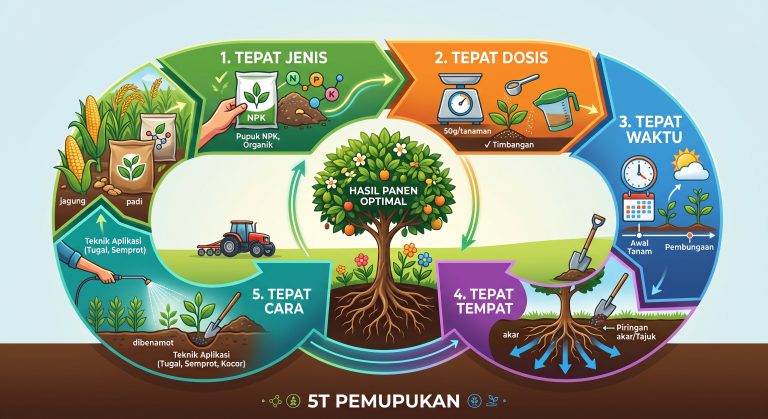
One of the primary advantages of urea is its exceptionally high nitrogen content. This allows farmers to meet crop nitrogen requirements using smaller quantities of fertilizer compared with other nitrogen sources.
Urea is also highly soluble in water, enabling quick dissolution in the soil and rapid availability for crop uptake after conversion into ammonium and nitrate. Additionally, urea is compatible with various soil types and agricultural systems.]
Its uniform granules are easy to store, transport, and apply, making it practical for both small-scale and large-scale farming operations. The cost-effectiveness of urea further enhances its popularity, as it offers a relatively affordable way to increase crop yields in intensive farming systems.
When applied properly, urea significantly boosts vegetative growth, especially in crops that demand high nitrogen, such as rice, corn, and horticultural plants. It supports the formation of chlorophyll, proteins, and essential enzymes, which are vital for maximizing photosynthesis and overall plant performance.
Weaknesses of Urea for Plant Growth
Despite its benefits, urea also has limitations related to nutrient efficiency. Losses of nitrogen may occur through volatilization, particularly when urea is applied on the soil surface without incorporation.
High temperatures, dry conditions, and alkaline soils can accelerate ammonia loss, reducing fertilizer effectiveness. Another weakness is the potential for nitrogen leaching. After urea is converted to nitrate, the nutrient becomes mobile in the soil.
Excessive rainfall or irrigation may lead to nitrate being washed away from the root zone before plants can absorb it. This not only reduces efficiency but also increases fertilizer costs due to repeated applications.
Overapplication of urea can also disrupt nutrient balance. Excess nitrogen often leads to excessive vegetative growth at the expense of fruit or grain development. Plants may become more susceptible to pests, diseases, or lodging, resulting in lower crop quality and reduced harvest potential.
Environmental Advantages of Urea
When used responsibly, urea can support sustainable agriculture. Its compact form reduces transportation emissions compared with lower-analysis fertilizers. Urea also contributes to efficient land use by enhancing yields without requiring agricultural expansion, which aligns with sustainable intensification goals.
Environmental Disadvantages of Urea
However, the environmental drawbacks of urea are significant if mismanaged. Ammonia volatilization contributes to air pollution and may react in the atmosphere to form particulate matter.
Furthermore, nitrogen leaching into groundwater can result in contamination that poses risks to human health and aquatic ecosystems. Urea application can also contribute to soil acidification over time.
As ammonium from urea is converted to nitrate, hydrogen ions are released into the soil, lowering pH and potentially reducing soil fertility. In water bodies, nitrogen runoff may trigger eutrophication, leading to excessive algal growth and declining water quality.
Another environmental concern is nitrous oxide (N₂O) emissions, a potent greenhouse gas generated during microbial processes in the soil. Inadequate timing or excessive application of urea increases the likelihood of N₂O release, with long-term implications for climate change.
Read more:
Why Fertilizer Laboratory Testing Is Key to Sustainable Food Production?
Conclusion
Urea remains an essential nitrogen fertilizer due to its high nutrient content, affordability, and ease of application. It offers considerable benefits for boosting agricultural productivity, particularly in intensive farming systems.
Nevertheless, its weaknesses, ranging from nitrogen losses to environmental impacts, highlight the need for responsible and well-managed application practices. Techniques such as split application, soil incorporation, use of urease inhibitors, and adherence to crop nutrient requirements can significantly improve urea efficiency while minimizing negative effects.
Sustainable fertilizer management ensures that the advantages of urea can be maximized without compromising environmental health. The range of benefits and risks associated with urea fertilizer shows that product quality cannot be assessed solely based on its type and function.
Variations in nitrogen concentration, potential contaminants, and compatibility with specific soil conditions can significantly affect fertilizer effectiveness as well as its environmental impact. This is where laboratory testing plays a critical role in ensuring that the fertilizer used meets quality standards and is safe for application.
To ensure that urea fertilizer has the appropriate nitrogen concentration, remains stable, and does not pose risks to soil or crops, laboratory testing of fertilizer products is a strategic step. Testing provides accurate data on fertilizer quality before use or distribution, enabling more precise, responsible, and sustainable fertilization practices.
Author: Fachry
Editor: Sabilla Reza
References:
Fertilizers Europe. (2018). Fertilizer basics: Why we need fertilizers, where they come from, how they work, and how they are used. Brussels: Fertilizers Europe.
Maguire, R., Alley, M., & Flowers, W. (2019). Fertilizer types and calculating application rates. Virginia Cooperative Extension, Virginia Tech.
Purba, T., Situmeang, R., Rohman, H. F., Mahyati, A., Firgiyanto, R., Junaedi, A. S., Suhastyo, A. A. (2021). Pupuk dan teknologi pemupukan. Medan: Yayasan Kita Menulis.