Optimization of Nitrogen Fertilizers in Agricultural Production


Nitrogen is one of the most essential macronutrients for plant growth and agricultural productivity. It plays a central role in vegetative development, photosynthesis, and yield formation.
In modern farming systems, nitrogen is commonly supplied through chemical and anorganic fertilizers to meet crop demand. However, improper nitrogen management can lead to low nutrient efficiency, increased production costs, and negative environmental impacts.
Therefore, optimizing nitrogen fertilizer use is crucial for achieving high productivity while maintaining sustainable agricultural systems.
Read also :
Fertilizers Must Contain Phosphate, Verify It with Fertilizer Laboratory Testing!
Table of contents
- Nitrogen as a Key Nutrient in Crop Production
- Role of Nitrogen in Plant Growth and Yield Formation
- Characteristics of Nitrogen Fertilizers
- Importance of Nitrogen Fertilizer Optimization
- Symptoms of Nitrogen Deficiency and Excess
- Strategies for Optimizing Nitrogen Fertilizer Use
- The Importance of Efficacy Testing for Effectiveness
Nitrogen as a Key Nutrient in Crop Production
Nitrogen is a primary component of chlorophyll, amino acids, proteins, and enzymes that are vital for plant metabolism. Crops absorb nitrogen mainly in the form of nitrate (NO₃⁻) and ammonium (NH₄⁺).
Adequate nitrogen availability promotes vigorous vegetative growth, healthy leaf development, and high photosynthetic activity. Although nitrogen is abundant in the atmosphere, plants cannot utilize it directly.
As a result, nitrogen fertilizers are widely applied to agricultural land. Continuous cropping and intensive farming practices often deplete soil nitrogen reserves, making external nitrogen inputs necessary to sustain crop yields.
Role of Nitrogen in Plant Growth and Yield Formation
Nitrogen strongly influences plant growth from early stages to harvest. During the vegetative phase, sufficient nitrogen supply encourages rapid leaf expansion and stem growth, allowing plants to intercept more sunlight for photosynthesis. This process directly affects biomass production and yield potential.
Nitrogen also plays an important role in grain filling and protein synthesis, particularly in cereal crops. Adequate nitrogen during reproductive stages contributes to improved grain quality and higher protein content. In horticultural crops, nitrogen affects leaf color, fruit size, and overall market quality.
However, excessive nitrogen application can result in excessive vegetative growth, delayed maturity, and increased susceptibility to pests and diseases. This highlights the importance of balanced and optimized nitrogen management.
Characteristics of Nitrogen Fertilizers
Nitrogen fertilizers are available in various forms, including urea, ammonium sulfate, ammonium nitrate, and nitrate based fertilizers. Among these, urea is the most widely used due to its high nitrogen content and relatively low cost.
Nitrogen is highly dynamic in the soil. It can be lost through leaching, volatilization, and denitrification, especially under improper management. These losses not only reduce fertilizer efficiency but also contribute to environmental problems such as water pollution and greenhouse gas emissions.
Understanding the behavior of nitrogen in soil is essential for developing effective fertilizer strategies that maximize plant uptake while minimizing losses.
Importance of Nitrogen Fertilizer Optimization
Optimizing nitrogen fertilizer use is critical for improving agricultural productivity and resource efficiency. Efficient nitrogen management ensures that crops receive sufficient nutrients at the right time and in the right amount. This approach helps increase yields and reduce unnecessary fertilizer expenses.
From a soil fertility perspective, optimized nitrogen use supports balanced nutrient availability and enhances the effectiveness of other nutrients such as phosphorus and potassium. In the long term, proper nitrogen management contributes to sustainable land use and stable production systems.
In addition, reducing nitrogen losses through improved management practices helps mitigate environmental impacts, making nitrogen optimization an important component of sustainable agriculture.
Symptoms of Nitrogen Deficiency and Excess
Nitrogen deficiency in plants is commonly indicated by pale green or yellowing leaves, particularly older leaves. Growth becomes slow and stunted, and yields are significantly reduced.
On the other hand, excessive nitrogen application can cause dark green foliage, weak stems, and delayed flowering or maturity. Crops with excess nitrogen are often more prone to lodging, pest infestation, and disease outbreaks.
Strategies for Optimizing Nitrogen Fertilizer Use
Effective nitrogen optimization begins with proper assessment of soil fertility and crop nutrient requirements. Soil testing and knowledge of crop growth stages provide a strong basis for determining appropriate nitrogen rates.
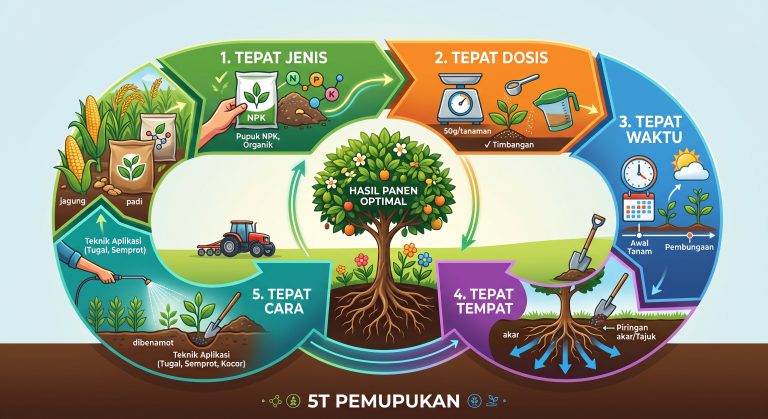
Applying nitrogen according to actual crop demand helps avoid both deficiency and excess. Timing and method of application are also critical. Splitting nitrogen applications to coincide with key growth stages can significantly improve nitrogen use efficiency.
Placement techniques, such as banding or incorporation into the soil, help reduce nitrogen losses and enhance uptake by plant roots. The integration of organic fertilizers, crop residues, and biological nitrogen fixation through legumes can further improve nitrogen availability and soil health.
Combining these practices with balanced fertilization ensures more efficient and environmentally responsible nitrogen use.
The Importance of Efficacy Testing for Effectiveness
Optimizing nitrogen fertilizer is a key strategy for improving agricultural production efficiently and sustainably. Nitrogen plays a vital role in plant growth, yield formation, and crop quality, but its application must be carefully managed.
To support optimal fertilizer use, efficacy testing plays an essential role. By determining the right dosage, appropriate application timing, and effective fertilization methods, nitrogen optimization can enhance productivity, reduce environmental impact, and maintain long-term soil fertility.
Taking immediate steps toward optimization allows agricultural outputs to be maximized more effectively and efficiently. Start your efficacy testing today!
Author : Fachry
Editor : Alphi
References
Fertilizers Europe. (2018). Fertilizer basics: Why we need fertilizers, where they come from, how they work, and how they are used. Brussels: Fertilizers Europe.
Maguire, R., Alley, M., & Flowers, W. (2019). Fertilizer types and calculating application rates. Virginia Cooperative Extension, Virginia Tech.
Purba, T., Situmeang, R., Rohman, H. F., Mahyati, A., Firgiyanto, R., Junaedi, A. S., … Suhastyo, A. A. (2021). Pupuk dan teknologi pemupukan. Medan: Yayasan Kita Menulis.