Microbiological Testing of Cough Syrup: A Critical Step in Ensuring Product Safety

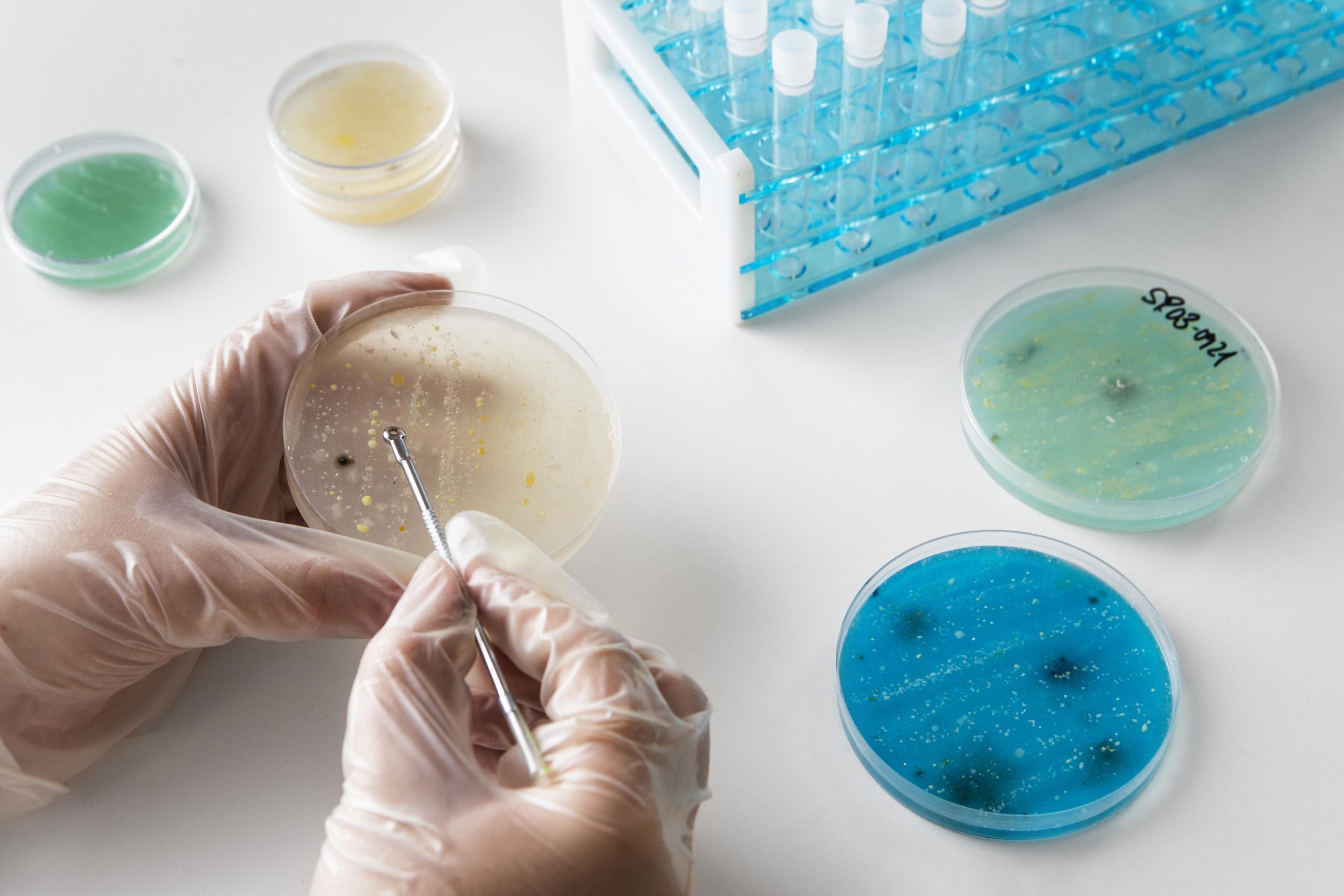
Cough syrup is one of the most widely used pharmaceutical dosage forms, particularly for children and older adults who have difficulty swallowing tablets. Because it is a liquid formulation containing water, cough syrup is more susceptible to microbial growth if its manufacturing process and storage conditions are not properly controlled.
Therefore, every cough syrup product must undergo microbiological testing before being released to the market to ensure its safety and quality. Microbiological testing is an essential component of the pharmaceutical quality control system and is governed by recognized standards, including the Farmakope Indonesia, the United States Pharmacopeia (USP), and the European Pharmacopoeia (Ph. Eur.). Through these tests, manufacturers can verify that the product complies with acceptable microbial limits and is free from harmful microorganisms.
Table of Content:
- What Is Microbiological Testing of Cough Syrup?
- What Microbiological Tests Are Performed?
- Why Is Microbiological Testing of Cough Syrup Important?
What Is Microbiological Testing of Cough Syrup?
Microbiological testing is a series of laboratory procedures performed to evaluate the microbiological quality of a pharmaceutical product. Its primary objectives are to determine the number of microorganisms present in the product and to detect the presence of specific microorganisms that may pose a risk to human health.
It is important to understand that most cough syrups are classified as non-sterile pharmaceutical products, meaning they are not required to be completely free of all microorganisms. Instead, they must comply with the microbial limit specifications established by international pharmacopoeias.
As long as the microbial count remains within the acceptable limits and specified pathogenic microorganisms are absent, the product is considered to meet microbiological quality requirements.
What Microbiological Tests Are Performed?
Several key parameters are evaluated during the microbial limit test for cough syrups.
- Total Aerobic Microbial Count (TAMC)
The Total Aerobic Microbial Count (TAMC) is used to determine the number of viable aerobic bacteria present in the product. This test provides an indication of the microbiological cleanliness maintained throughout manufacturing, packaging, and storage. In general, lower microbial counts reflect better manufacturing practices and hygienic process control.
- Total Yeast and Mold Count (TYMC)
In addition to bacteria, yeasts and molds must also be monitored because they can proliferate in water-containing, sugar-based formulations such as cough syrups. Contamination by these microorganisms may lead to discoloration, unpleasant odors, sediment formation, and reduced product stability throughout its shelf life.
- Specified Microorganism Testing
Besides determining the total microbial count, laboratories also test for the presence of specific microorganisms that are not permitted in the product. For oral pharmaceutical preparations, one of the microorganisms that must be absent is Escherichia coli. The presence of this bacterium is considered an indicator of fecal contamination and may suggest deficiencies in sanitation practices, raw material quality, or manufacturing processes.
Depending on the product type and the results of risk assessment, testing may also include additional specified microorganisms as required by applicable pharmacopoeial standards and regulatory guidelines.
Why Is Microbiological Testing of Cough Syrup Important?
Microbiological testing is not merely a regulatory requirement; it plays a vital role in maintaining both product quality and patient safety. When microbial contamination exceeds the acceptable limits, several issues may arise.
Microorganisms can degrade active pharmaceutical ingredients or excipients, resulting in reduced drug efficacy before the product reaches its expiration date. Furthermore, microbial activity may alter the product's physical characteristics, causing increased turbidity, color changes, gas formation, or unpleasant odors.
The most significant concern is the presence of pathogenic microorganisms. In vulnerable populations such as children, older adults, and immunocompromised patients, microbial contamination may increase the risk of adverse health effects.
Therefore, microbiological testing is a crucial step in ensuring that every cough syrup product released to the market is safe for consumer use.
Ensure Cough Syrup Safety Before Market Launch
Cough syrup is a liquid-based product used directly by consumers, so microbial contamination risks should not be overlooked. Through microbiological testing for cough syrup, manufacturers can ensure products are safer, more stable, and meet quality standards before entering the market. With IML Testing and Research, testing is carried out professionally to help brands build trust, reduce product quality risks, and strengthen credibility in the pharmaceutical industry.
Author: Jihan
Editor: Lina
REFERENCES
Denyer, S. P., Hodges, N. A., & Gorman, S. P. (Eds.). (2020). Hugo and Russell's Pharmaceutical Microbiology (9th ed.). Wiley-Blackwell.