Understanding Strategies CPOB: Mandatory Pharmaceutical Manufacturing Standards for Drug Manufacturers

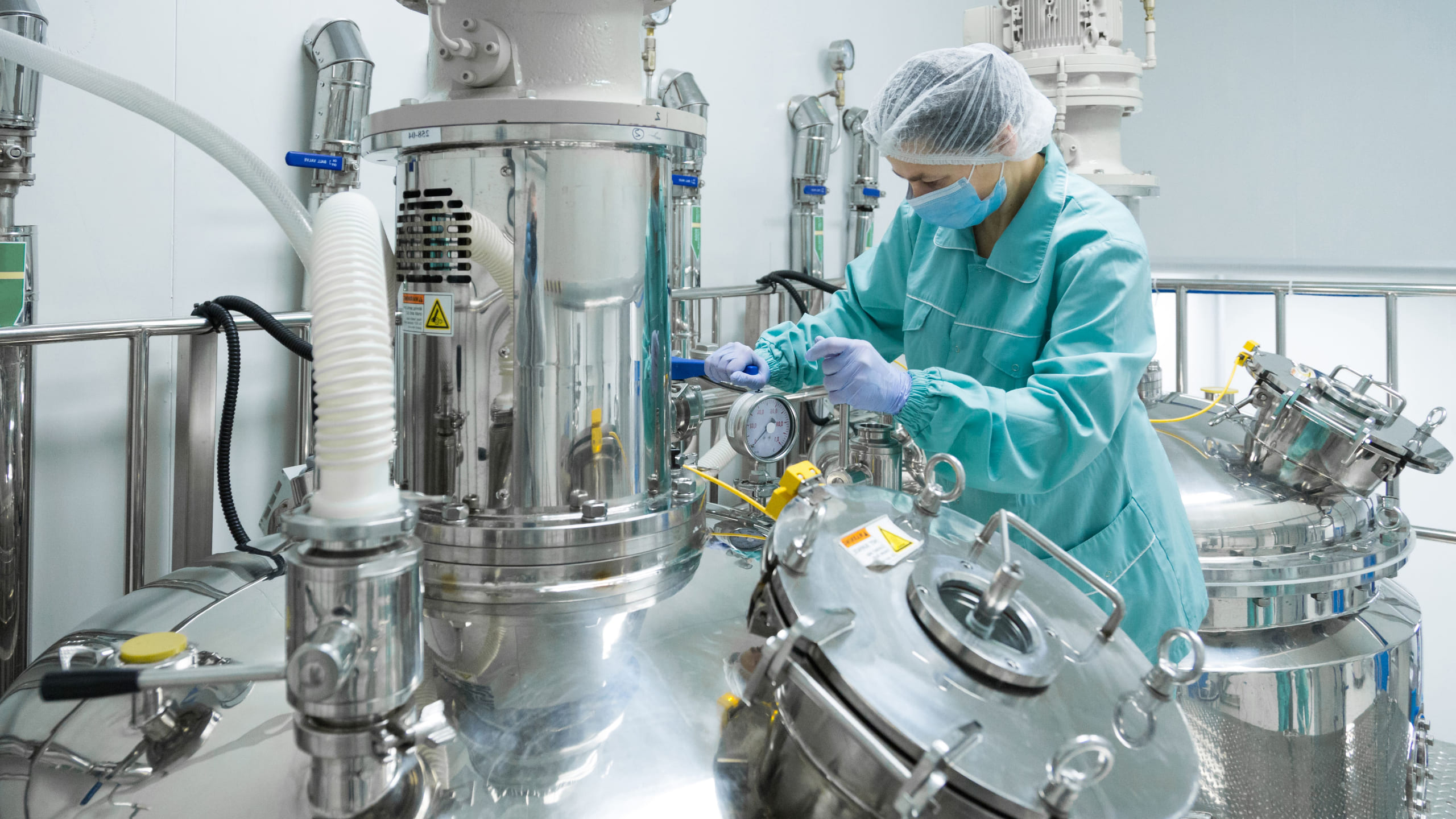
In the pharmaceutical industry, drug quality and safety are extremely crucial because the products manufactured will be directly used by the public to maintain and restore health. Even minor errors during the manufacturing process can lead to reduced product quality, contamination, and even endanger patient safety.
Therefore, pharmaceutical manufacturers are required to implement standardized and strictly controlled production systems. In Indonesia, this standard is known as CPOB or Good Manufacturing Practices for Pharmaceuticals.
Read Also:
The Role of Validation in Ensuring the Quality of Pharmaceutical Products
CPOB is an official guideline issued by the Indonesian Food and Drug Authority (BPOM) to ensure that pharmaceutical products are consistently manufactured according to the required standards of quality, safety, and efficacy. CPOB does not only focus on the final product but also regulates the entire manufacturing process, starting from raw material selection, storage, processing, packaging, and distribution of finished products.
In other words, pharmaceutical quality must be “built into” the product from the beginning of the manufacturing process, rather than relying solely on final product testing. At the international level, CPOB is commonly known as GMP (Good Manufacturing Practice) or cGMP (current Good Manufacturing Practice).
Almost every country has its own GMP regulations. The United States implements cGMP standards regulated by the US FDA, European countries apply EU GMP standards, while many other countries refer to the PIC/S GMP Guide and WHO GMP guidelines.
Indonesia continuously updates its CPOB standards to align with global regulatory developments so that national pharmaceutical products can compete in the international market. In practice, CPOB covers many important aspects of pharmaceutical manufacturing.
One of the main aspects is the Quality Management System, which ensures that all manufacturing activities are carried out according to established procedures and standards. In addition, CPOB also regulates personnel or human resources.
All employees involved in pharmaceutical manufacturing must possess adequate competence, training, and understanding of work procedures and hygiene practices. Another equally important aspect is the design of buildings and production facilities.
Pharmaceutical production areas must be designed to prevent cross-contamination, facilitate cleaning, and maintain environmental conditions according to standards. For example, certain pharmaceutical products require rooms with strict controls for temperature, humidity, and air pressure.
Manufacturing equipment must also meet qualification requirements, undergo routine calibration, and be validated to ensure consistent production results. CPOB also emphasizes the importance of sanitation and hygiene in production areas.
The cleanliness of rooms, equipment, and personnel must be maintained to minimize the risk of microbial contamination and other foreign substances. In the pharmaceutical industry, even the smallest contamination can affect product quality and potentially harm patients.
Furthermore, documentation is one of the key elements of CPOB. All manufacturing activities must be thoroughly and accurately recorded, including raw material usage, process parameters, testing results, and product distribution.
This documentation system aims to ensure traceability. If a problem is identified in a product, the company can quickly conduct investigations, trace the source of the issue, and implement appropriate corrective actions.
Quality Control (QC) is also an essential part of CPOB. Every raw material, intermediate product, and finished product must undergo testing according to established specifications.
In addition, pharmaceutical manufacturers are required to conduct process validation, analytical method validation, and regular self-inspections to ensure that the entire system operates effectively. Compliance with CPOB is mandatory for all pharmaceutical industries in Indonesia.
Companies that fail to meet these standards may face administrative sanctions, production suspension, or even revocation of product distribution licenses. Compliance with CPOB is essential to protect consumers from pharmaceutical products that do not meet quality and safety requirements.
The ethylene glycol (EG) and diethylene glycol (DEG) contamination cases in syrup medicines that occurred several years ago became a clear example of how inadequate quality oversight can have serious impacts on public health. Currently, BPOM continues to update CPOB guidelines to keep pace with advancements in modern pharmaceutical technology and international standards.
Through proper implementation of CPOB, the pharmaceutical industry can not only produce safe and high-quality medicines but also increase public trust in locally manufactured pharmaceutical products.
CPOB: Ensure Drug Production Is Supported by Standardized Testing
Compliance with GMP for pharmaceutical production requires consistent quality control and reliable testing data. IML Testing and Research helps pharmaceutical manufacturers conduct laboratory testing to support product safety, quality, and regulatory compliance.
Author: Jihan
Editor: Lina
REFERENCES
Badan Pengawas Obat dan Makanan Republik Indonesia (BPOM RI). (2024). Peraturan Badan Pengawas Obat dan Makanan Nomor 7 Tahun 2024 Tentang Standar Cara Pembuatan Obat yang Baik. Jakarta: BPOM RI.
World Health Organization (WHO). (2025). Guidelines: Production. Retrieved June 5, 2026, from https://www.who.int/teams/health-product-and-policy-standards/standards-and-specifications/norms-and-standards-for-pharmaceuticals/guidelines/production