Microbiological Testing in Cosmetics: An Important Step in Ensuring Consumer

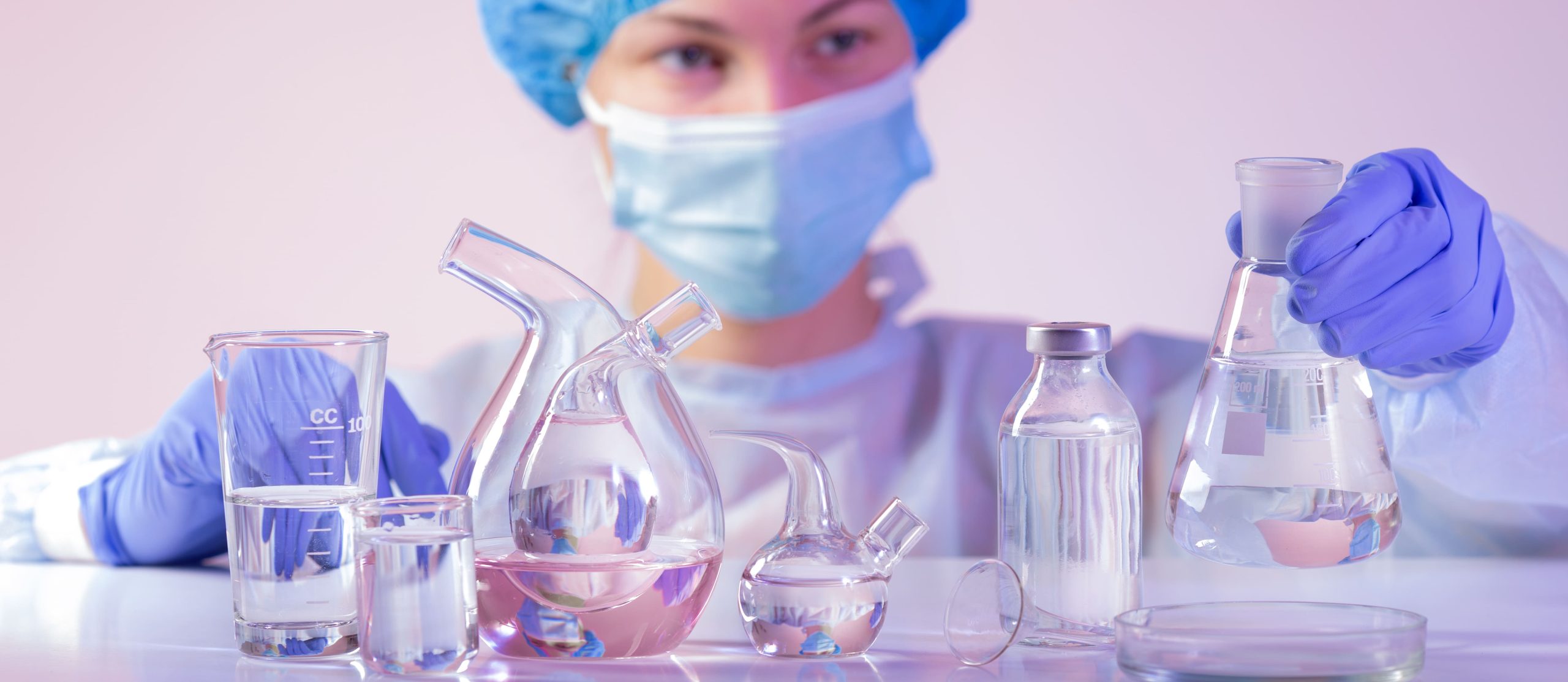
Cosmetic products are used in different ways, such as being swallowed, applied to the skin, or injected. Because of this, these products must be free from harmful microorganisms. Microbial contamination can damage the product and be harmful to consumers' health.
Contamination can happen at different stages of production, including raw material handling, manufacturing, packaging, and storage. Poor microbial control can lead to product recalls, regulatory penalties, and serious side effects for users. To prevent contamination, different microbiological testing are carried out as part of quality control.
Table of content:
- The Importance of Microbiological Testing in the Cosmetic Industry
- Various Important Microbiological Tests in the Cosmetic Industry
- Has Your Cosmetic Product Passed Microbiological Testing? Make Sure Now!
The Importance of Microbiological Testing in the Cosmetic Industry
Microbiological testing plays an important role in the cosmetic industry because it is directly related to product safety. Cosmetic products are used on the human body, so they must be free from harmful microorganisms that can cause disease or infection. Therefore, testing is carried out to make sure the products are safe for consumers to use.
Microbiological testing also helps prevent contamination during the production process. Contamination can come from raw materials, equipment, the work environment, or operators. With regular testing, microorganisms can be detected early so that product quality can be maintained.
This testing is important to protect consumer health, especially for vulnerable groups such as babies, elderly people, and patients with weak immune systems. Products contaminated with microbes can cause infections, irritation, or other health problems.
Because of this, microbial control is an important part of the industry’s quality assurance system. In addition, microbiological testing helps maintain product quality and stability during storage.
Microorganisms can damage the color, smell, texture, and effectiveness of products, which can reduce their shelf life. This testing ensures that products remain safe and of good quality until they are used by consumers.
Microbiological testing is also carried out to meet international regulatory standards set by organizations such as the United States Pharmacopeia, U.S. Food and Drug Administration, European Pharmacopoeia, Japanese Pharmacopoeia, and International Council for Harmonisation. Following these regulations is important to maintain consumer trust and ensure products can be marketed globally.
Various Important Microbiological Tests in the Cosmetic Industry
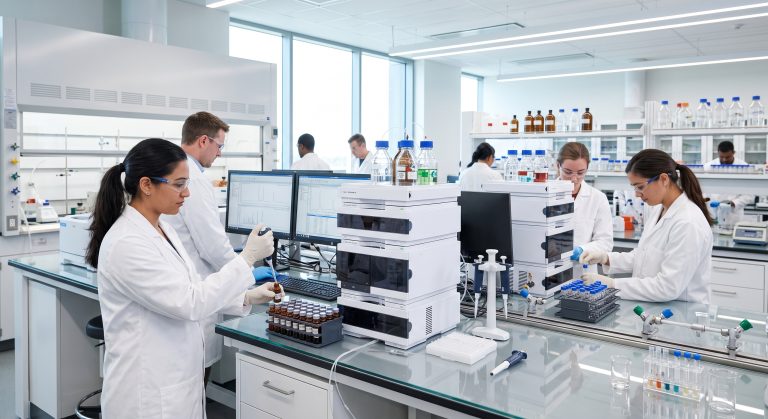
Although cosmetic products do not always need to be sterile, their microbiological quality must still be well maintained. In the cosmetic industry, there are several types of microbiological tests commonly carried out to ensure product safety and quality.
Microbial contamination testing is performed to make sure cosmetic products such as creams, serums, and lotions are free from harmful microorganisms. This test includes checking finished products to ensure the number of microbes remains within safe limits. Methods that can be used include plate count methods and rapid methods such as ATP bioluminescence, flow cytometry, and qPCR.
Preservative Efficacy Testing (PET) is carried out to evaluate the effectiveness of preservatives added to cosmetic products. Preservatives help prevent the growth of bacteria, molds, and yeast during product storage. This test ensures that the product remains stable and safe for consumers to use until its expiration date.
Cosmetic products that are free from pathogens are important and are part of Good Manufacturing Practice (GMP). Pathogen detection testing is conducted to identify harmful microorganisms such as E. coli, S. aureus, P. aeruginosa, and C. albicans. Methods that can be used include enrichment culture followed by selective agar plating. Other methods include biochemical identification, such as API strips, and molecular techniques such as PCR.
Another important method is antimicrobial effectiveness testing. This test is used for cosmetic products that claim to have antibacterial or antimicrobial properties. The purpose of this test is to evaluate the product’s ability to inhibit the growth of harmful microorganisms. The test results help ensure that the antimicrobial claims are truly effective and safe for consumers.
Read also:
Anti Acne Claims on Your Skincare Product Is Microbiological Testing Strategies Necessary?
Has Your Cosmetic Product Passed Microbiological Testing? Make Sure Now!
Microbial contamination in cosmetic products is not merely a quality issue it is a direct threat to consumer safety that can lead to product recalls, BPOM sanctions, and brand reputation damage that is extremely difficult to recover from. Every cosmetic product on the market from moisturizers and foundations to shampoos must meet scientifically established microbial contamination limits, because a single contaminated batch is enough to destroy years of hard earned consumer trust.
As a responsible cosmetic manufacturer, microbiological testing is not a procedure that can be deferred or treated as a mere formality. IML Testing & Research is ready to help you conduct comprehensive microbiological testing covering total plate count testing, mold and yeast contamination testing, and specific pathogen detection including Staphylococcus aureus, Pseudomonas aeruginosa, and Candida albicans using internationally recognized methods accepted by BPOM RI.
Consult your cosmetic microbiological testing needs today and ensure every product you bring to market is genuinely safe in the hands of your consumers.
Author: Dherika
Editor: Alphi
References
Antonella G, Laura M, Salvatore De B, Irene Conforti, Luigi P, Marco G, Giovanni L, Francesco A. (2018). Microbiological Stability of Cosmetics by Using Challenge Test Procedure. Journal of Pure and Applied Microbiology, 12(1), 23-28.
Gumudavelli, S., Srinija, G., & Chinna, R.P. (2025). A Comprehensive Review on Microbiological Testing in the Pharmaceutical, Nutraceutical and Cosmetics Industries: Safety Assurance and Regulatory Standards. International Journal of Current Microbiology and Applied Sciences, 14(05), 78-96.