How Do Antioxidants Work in Your Cosmetic Formulations?


Antioxidants are compounds or systems that can interact with free radicals and stop chain reactions before vital molecules are damaged. Antioxidants are used in food, cosmetics, beverages, pharmaceutical products, and even in the animal feed industry. These compounds can be used as health supplements, active ingredients, or stabilizers. Antioxidants can be synthetic or natural, and both are used in cosmetic products. Synthetic antioxidants (such as butylated hydroxyanisole (BHA), butylated hydroxytoluene (BHT), and propyl gallate) are widely used due to their low production costs.
- Natural Sources of Antioxidants
- Natural Sources of Antioxidants in Cosmetics
- Combinations of Antioxidant Compounds in Cosmetic Formulations
- The Importance of Research and Selecting the Right Antioxidants
Natural Sources of Antioxidants
The body naturally contains antioxidants, both produced internally and from nutrients ingested through food and drink. Some body cells naturally produce alpha-lipoic acid and glutathione, which act as antioxidants. Foods such as fruits, vegetables, nuts, and grains can reduce oxidative stress on the skin or protect products from oxidative degradation. One of the main causes of oxidative stress that accelerates skin aging is reactive oxygen species (ROS). Intrinsic aging is related to the natural aging process, while extrinsic aging is caused by external factors that accelerate the process (e.g., air pollution, UV radiation, and pathogenic microorganisms). Photoaging is considered the primary cause of ROS production.
Natural Sources of Antioxidants in Cosmetics
Plants are known to produce natural antioxidant compounds that can reduce oxidative stress caused by sunlight and oxygen. Plant extracts are used in commercial cosmetic products. Some plant extracts commonly used in cosmetic formulations include green tea, rosemary, grape seed, grape basil, blueberry, tomato, acerola seed, pine bark, and milk thistle. These compounds include polyphenols, flavonoids, flavanols, stilbenes, and terpenes, which are natural antioxidants found in plant extracts (including carotenoids and essential oils). Antioxidants are classified as primary, or natural, antioxidants, and secondary, or synthetic, antioxidants based on their function. Mineral antioxidants (such as selenium, copper, iron, zinc, and manganese), vitamins (C and E), and phytoantioxidants are examples of primary antioxidants. Mineral antioxidants generally act as cofactors for antioxidant enzymes.
Combinations of Antioxidant Compounds in Cosmetic Formulations
Some natural antioxidant compounds commonly found in cosmetics are ascorbic acid, derived from citrus, kiwi, and acerola. It's generally combined with tocopherols derived from sunflower seed oil, olive oil, and almond oil. This combination synergistically protects the skin from free radicals and the effects of aging. In cosmetic formulations, ferulic acid is added to stabilize vitamins C and E and enhance the antioxidant effect. There are many compounds available in cosmetics, including niacinamide, coenzyme Q10, green tea extract, resveratrol, glutathione, astaxanthin, alpha-lipoic acid, and licorice root extract.
Different types of antioxidants in cosmetics have different characteristics, mechanisms of action, and benefits. For example, vitamin C works in cellular fluids and is water-soluble, while vitamin E works in cell membranes and is fat-soluble. Their unique characteristics can be beneficial in enhancing the stability or effectiveness of each other, such as the combination of niacinamide and glutathione, which provides a stronger brightening effect than either alone. Another benefit of antioxidants is protecting active ingredients in skincare formulations, making them more stable against degradation by light or oxygen.
The Importance of Research and Selecting the Right Antioxidants
In general, the use of antioxidants is not harmful; on the contrary, they are essential for the body. However, there are several things to consider, such as skin type and needs. Excessive use can trigger the formation of free radicals and cause cell damage. Therefore, regular research and in-depth efficacy testing are needed to explore and confirm the benefits of new potential compounds. Furthermore, the choice of antioxidants in skincare products should always be tailored to each individual's skin condition and needs to ensure optimal and targeted benefits.
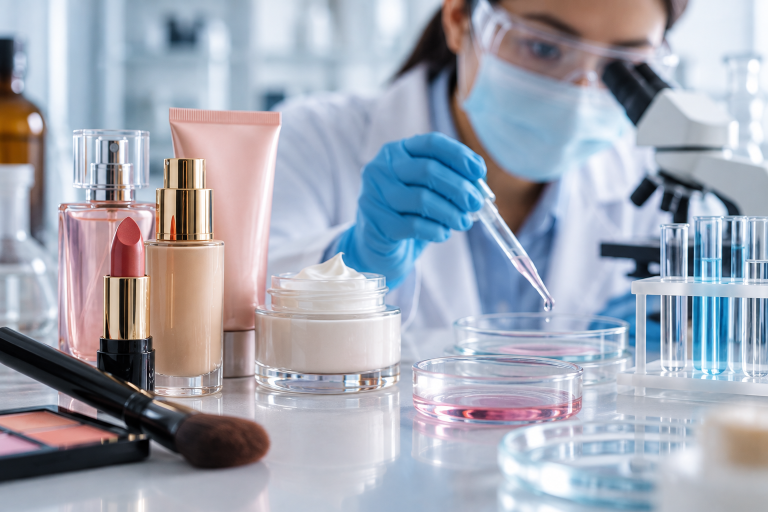
Ensure each cosmetic formulation is scientifically tested before marketing. Antioxidants used in skincare products must undergo testing to ensure their stability and effectiveness. Through a proper testing process, you can determine how active ingredients, such as vitamins C and E, or plant extracts, withstand light, oxygen, and temperature.
Read more:
3 Recommended Cosmetic Testing Laboratories for Marketing Authorizations!
Accredited and trusted laboratories are ready to help ensure each component in your product performs as promised. Comprehensive test results are essential for maintaining the quality and safety of cosmetic formulations. Entrust the evaluation of your active ingredients to an accredited and trusted laboratory, because the best quality always begins with accurate scientific data.
Author: Delfia
Editor: Sabilla Reza
References:
Hoang, H. T., Moon, J.-Y., & Lee, Y.-C. (2021). Natural Antioxidants from Plant Extracts in Skincare Cosmetics: Recent Applications, Challenges and Perspectives. Cosmetics, 8(4), 106. https://doi.org/10.3390/cosmetics8040106
Kumar, V., Tanwar, N., Goel, M., Khan, M., Kumar, D., Singh, G., Mundlia, J., Khatri, N., & Kumar, A. (2024). Antioxidants for Skin Health. Recent advances in food, nutrition & agriculture, 10.2174/012772574X311177240710100118. Advance online publication. https://doi.org/10.2174/012772574X311177240710100118