Antibiotics Without Lab Testing Support and the Impact of Misunderstanding Their Us

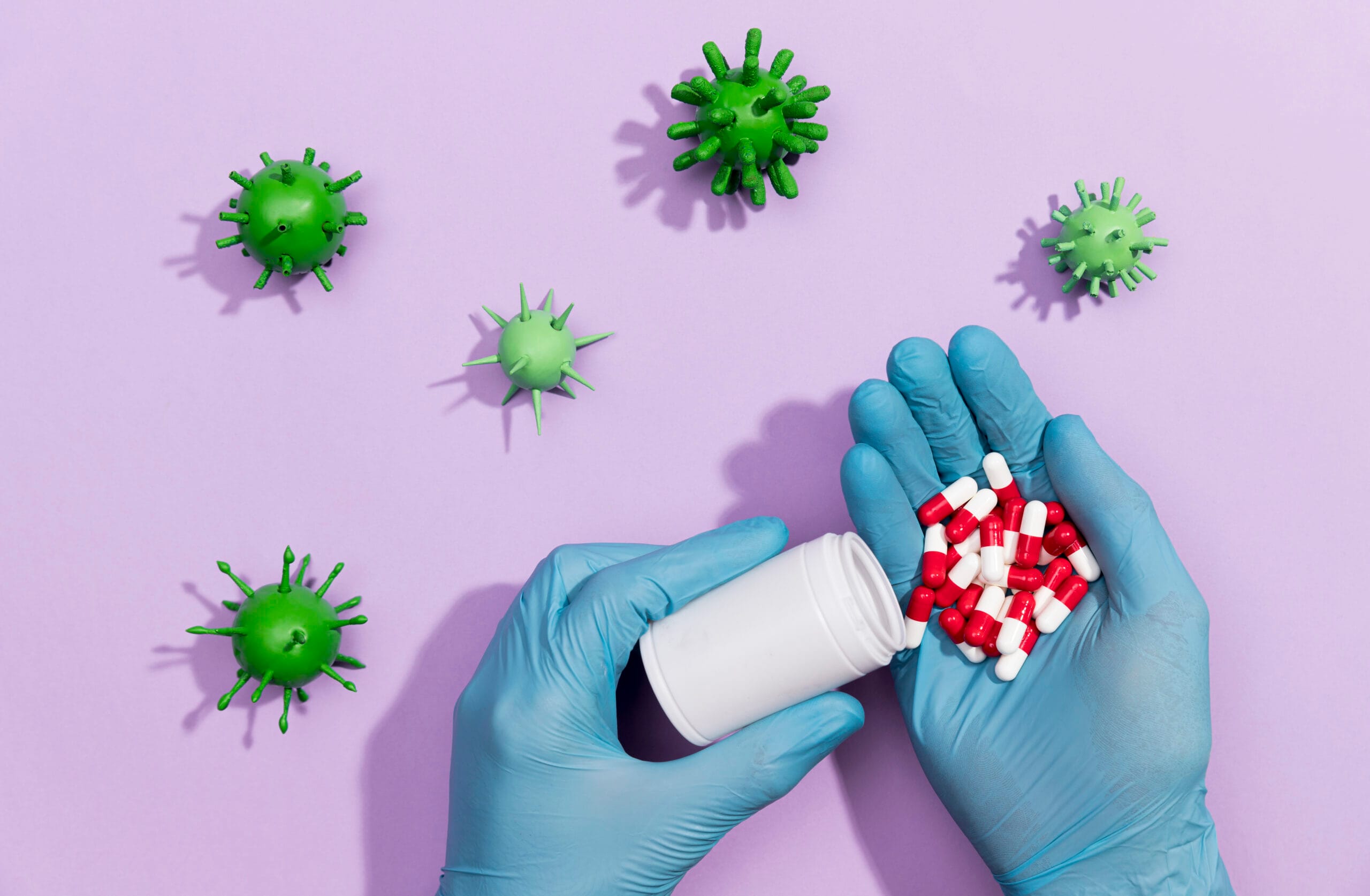
Antibiotics are medicines that work by killing or inhibiting the growth of certain types of microorganisms known as bacteria. They play an essential role in preventing and treating bacterial infections in humans, animals, and even plants. In the medical field, antibiotics are considered one of the most effective tools for combating life-threatening bacterial infections.
Many people believe that antibiotics are powerful drugs capable of curing all kinds of diseases, which often leads to their misuse. Antibiotic misuse refers to the inappropriate or unnecessary use of antibiotics, such as taking them without a doctor’s prescription, using them to treat illnesses caused by viruses or fungi, or failing to complete the prescribed dosage. According to the 2023 Indonesian Health Survey (SKI) conducted by the Ministry of Health, among 22% of people who used oral antibiotics, 41% obtained them without a prescription. The inappropriate and excessive use of antibiotics significantly contributes to the growing problem of antibiotic resistance.
- What Is Antibiotic Resistance?
- What Happens When Bacteria Become Resistant to Antibiotics?
- Drug Testing Labs as a Step to Prevent Antibiotic Resistance
What Is Antibiotic Resistance?
Antibiotic resistance is a process in which bacteria evolve and become capable of withstanding the effects of antibiotic treatment. Simply put, bacteria change and develop resistance, making antibiotics that once killed or inhibited them no longer effective. Antibiotic resistance has become one of the world’s major health challenges. The World Health Organization (WHO) has identified antibiotic resistance as one of the top ten global public health threats each year and a leading cause of death worldwide.
The misuse of antibiotics is often influenced by consumer misconceptions. Many people mistakenly believe that viral or fungal infections can be treated with antibiotics. In addition, there is a general lack of understanding about antibiotic resistance itself. Therefore, it is crucial to raise awareness about the side effects of antibiotics and the potential consequences of using them unnecessarily.
What Happens When Bacteria Become Resistant to Antibiotics?
When bacteria become resistant, infections can sometimes become untreatable. In many cases, patients require longer hospital stays, follow-up visits to doctors, or alternative treatments that are more expensive and may cause serious side effects — all of which increase healthcare costs and mortality risks. If the illness is caused by a virus or fungus, antibiotics will not work, leading to delays in proper treatment and worsening of the patient’s condition. Every time antibiotics are used, patients face the risk of side effects, even when the treatment offers no real benefit. Moreover, resistant bacteria can spread from one person to another, creating a widespread public health problem.
Antibiotic resistance is not merely a medical issue but a global concern that affects all levels of society. Antibiotics are one of the greatest discoveries in medical history, yet their improper use now poses a serious threat to human health. Therefore, antibiotics should be used wisely—only when truly necessary and under the guidance of healthcare professionals. This simple but vital step can help protect ourselves and future generations from the growing danger of antibiotic resistance.
Read more:
4 Accurate Methods for Antibiotic Sensitivity Testing
Drug Testing Labs as a Step to Prevent Antibiotic Resistance
Ultimately, efforts to suppress antibiotic resistance require the support of competent and trusted drug testing labs. For drug manufacturers, selecting the right testing partner is a strategic step to ensure that each antibiotic meets quality, safety, and effectiveness requirements before being used by the public.
IML Testing and Research is an experienced drug testing lab that supports comprehensive and standardized antibiotic testing. Through accurate and reliable laboratory testing, drug manufacturers can ensure the quality of their products while contributing to more responsible antibiotic use. Begin taking steps to prevent antibiotic resistance by conducting drug lab testing with IML Testing and Research.
Author: Jihan
Editor: Sabilla Reza
Referensi:
Endale H, Mathewos M, Abdeta D. Potential Causes of Spread of Antimicrobial Resistance and Preventive Measures in One Health Perspective-A Review. Infect Drug Resist. 2023;16:7515-7545 https://doi.org/10.2147/IDR.S428837
Essack, S., Bell, J., Burgoyne, D., Eljaaly, K., Tongrod, W., Markham, T., Shephard, A., & López-Pintor, E. (2023). Addressing Consumer Misconceptions on Antibiotic Use and Resistance in the Context of Sore Throat: Learnings from Social Media Listening. Antibiotics (Basel, Switzerland), 12(6), 957. https://doi.org/10.3390/antibiotics12060957
Nammi, J., Pasala, R., Andhe, N., Vasam, R., Poruri, A. D., & Sherikar, R. R. (2025). Antibiotic Misuse: An In-Depth Examination of Its Global Consequences and Public Health Challenges. Cureus, 17(6), e85941. https://doi.org/10.7759/cureus.85941