4 Components and Factors of Seed Quality as the Basis for Laboratory Testing

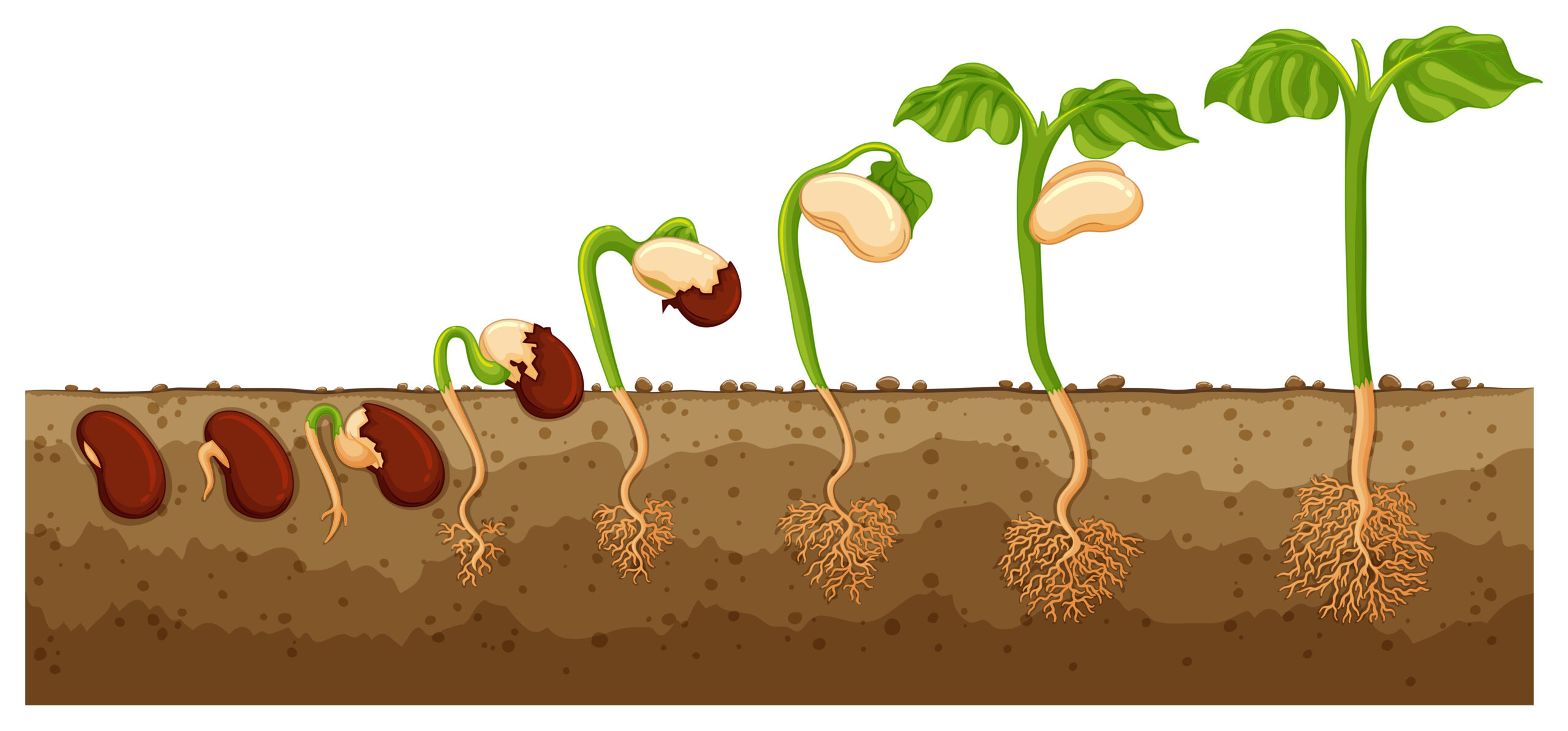
Seed quality is a key factor that determines the success of crop cultivation. High-quality seeds are able to germinate quickly, grow uniformly, and achieve optimal productivity.
In contrast, low-quality seeds can result in uneven growth, reduced yields, and increased production costs. Understanding the factors that determine seed quality is therefore essential for farmers, seed producers, and all stakeholders involved in seed systems.
In general, seed quality is determined by 4 main components that form the basis for seed quality assessment. These components are interrelated and collectively influence the ability of seeds to grow and produce optimally.
1. Genetic Quality
Genetic quality refers to the purity of the characteristics possessed by a particular variety. Seeds must accurately reflect the original characteristics of the variety stated on the label, such as resistance to pests and diseases, plant morphology, and yield potential.
Genetic quality may decline due to uncontrolled cross-pollination, contamination during the production process, or improper seed handling. To maintain genetic purity, isolation distance, removal of off-type plants (roguing), and proper propagation techniques are required.
2. Physical Quality
Physical quality includes the external condition of seeds, such as size, shape, cleanliness, and the absence of impurities or foreign materials. Seeds with high physical quality typically have relatively uniform size, are not shriveled or broken, and are free from stones, soil, and other plant debris.
Good physical quality improves planting efficiency, facilitates seed flow through planting equipment, and supports uniform seedling emergence.
3. Physiological Quality
Physiological quality is related to the ability of seeds to germinate and produce strong seedlings. Two important aspects of physiological quality are germination capacity and vigor.
Seeds with high germination capacity generally result in uniform crop emergence. Meanwhile, seeds with high vigor are better able to grow under less favorable environmental conditions, such as low temperatures or slightly dry soils.
Physiological quality is strongly influenced by seed maturity at harvest, drying techniques, storage temperature, and postharvest handling.
4. Seed Health Quality
Seed health quality indicates the extent to which seeds are free from harmful organisms such as fungi, bacteria, viruses, or insect infestation. Contaminated seeds can become sources of disease transmission to planting areas and may significantly reduce crop yields.
Maintaining seed health requires good field sanitation, the use of pesticides at certain stages, and seed treatment prior to packaging or planting.
In addition to seed quality components, various factors play a role in shaping and maintaining seed quality from seed development until planting.
- Environmental Conditions During Seed Formation
- Harvesting and Postharvest Handling
- Seed Storage
- Seed Processing and Packaging
1. Environmental Conditions During Seed Formation
The environment in which seeds develop on the parent plant has a major influence on their final quality. Several contributing factors include:
- Temperature: Extreme temperatures can inhibit embryo formation and reduce storability.
- Humidity: High humidity increases the risk of fungal infection during seed maturation.
- Soil fertility: Adequate nutrients support proper seed filling.
- Light: Sufficient light intensity helps the parent plant develop optimally, resulting in healthier seeds.
Seeds formed under ideal environmental conditions tend to have higher vigor and longer storage life.
2. Harvesting and Postharvest Handling
Proper harvest timing is critical. Seeds harvested before full maturity generally have high moisture content and low physiological quality. Conversely, delayed harvesting can result in damage due to weather exposure or increased risk of seed shattering.
Postharvest handling includes cleaning, drying, and conditioning. Drying is particularly crucial, as excessive moisture content accelerates physiological deterioration and promotes fungal growth.
3. Seed Storage
Proper storage helps maintain seed quality until planting time. Temperature and humidity are the main factors affecting storage conditions. Seeds deteriorate rapidly when stored under high temperature and high humidity.
Seeds should be stored in tightly sealed containers in cool and dry conditions. Low moisture content and controlled environmental conditions can extend storage life and preserve germination capacity.
4. Seed Processing and Packaging
Seed processing includes grading, sorting, and polishing to obtain uniform and plant-ready seeds.
Packaging functions to protect seeds from mechanical damage, moisture, and contamination. Suitable packaging materials help maintain stable seed conditions during distribution and storage.
Read more:
Understanding Seed Structure as a Basis for Seed Product Laboratory Testing
Conclusion
Seed quality is determined by various factors, including genetic, physical, physiological, and health quality. In addition, environmental conditions during seed formation, harvest timing, postharvest processes, storage, and packaging also play significant roles. Proper management at each stage will result in high-quality seeds that support optimal plant growth and increase agricultural productivity.
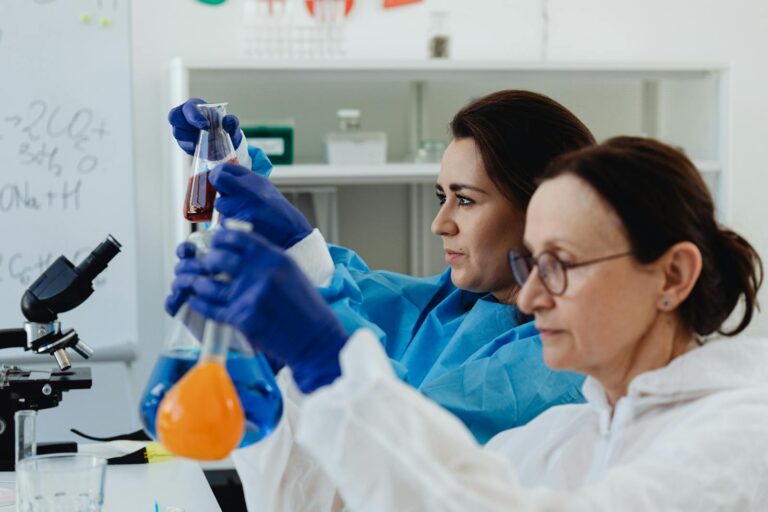
These factors are ultimately reflected in the quality of seeds circulating and used in the field. To ensure that genetic, physical, physiological, and health quality meet established standards, objective and measurable laboratory testing is required.
IML Testing and Research provides seed laboratory testing services to help ensure seed quality and safety before use or commercialization. Through comprehensive and reliable testing, you can make data-driven decisions and minimize the risk of crop failure.
Author: Fachry
Editor: Sabill Reza
References:
Lesilolo, M. K. (2013). Fundamentals of Seed Science and Technology. Jurnal Agrologia, 2(1), 1–7.
Sadjad, S. (1994). Seed Science. Jakarta: PT Raja Grafindo Persada.
Nazara, R. V., Harefa, K. S. E., Dewi, A. P. N., Ninasari, A., Arini, N., Syafi, S., Murrinie, E. D., et al. (2024). Seed Science and Technology. Padang: CV Hei Publishing Indonesia.
Panggabean, E. L. (2020). Seed Technology. Medan: Universitas Sumatera Utara Press.