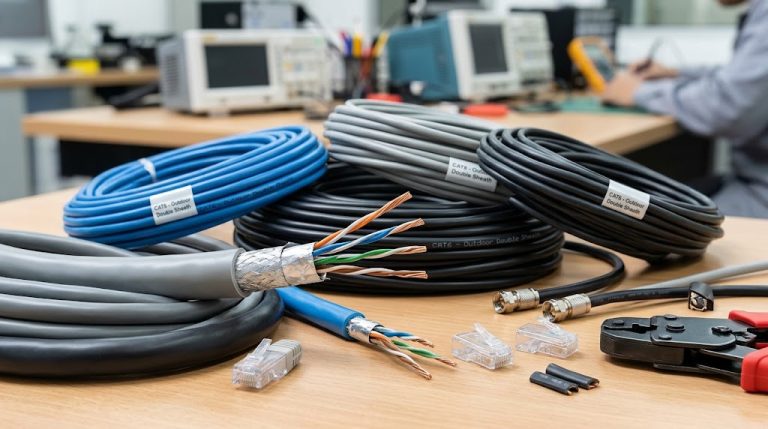
RoHS Compliance Testing on TV Cables: Ensuring Electronic Product Safety from Hazardous Chemicals

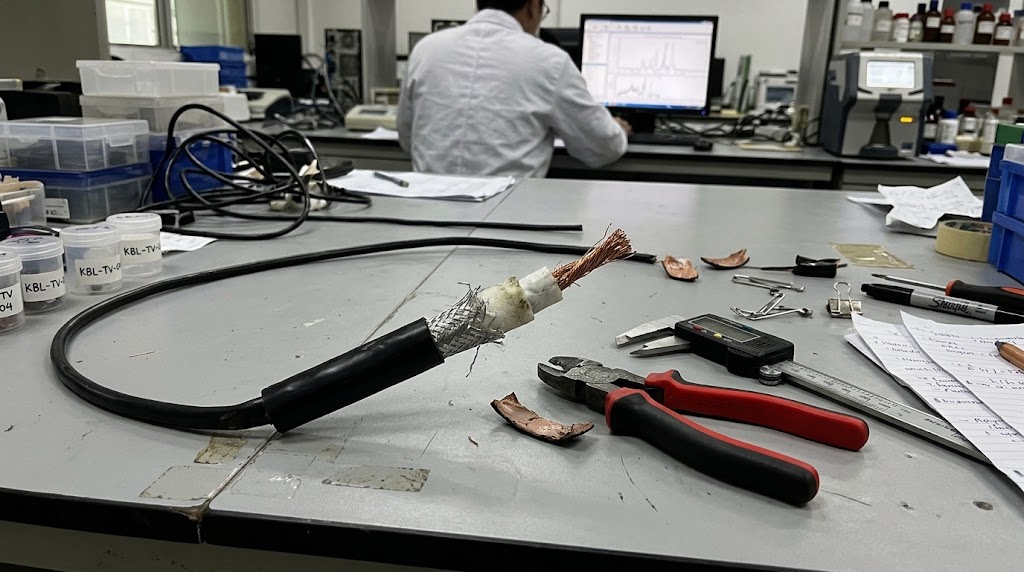
The global electronics industry is now facing incredibly stringent environmental and health protection regulations, prominently the Restriction of Hazardous Substances (RoHS) directive. This regulation restricts the use of toxic materials in the manufacturing of electrical devices.
Every single component, including the tv cables that transmits signals to your home entertainment systems, must be free from hazardous chemicals. Why is RoHS compliance testing on such components an absolute prerequisite for manufacturers?
To maintain this compliance over time, manufacturers must realize that a one-off test is never enough. Production lines are dynamic, and even minor changes in raw material batches or a swap in plasticizer suppliers can inadvertently introduce restricted substances into your tv cables.
Implementing a routine, high-precision RoHS testing protocol with a trusted laboratory is the only way to safeguard your supply chain, verify ongoing compliance, and ensure that every batch leaving the factory remains entirely free from chemical hazards.
Table of Content:
- The Hidden Threat Behind Cable Insulators
- The Business and Environmental Impact of Non-Compliance
- High-Level Analytical Laboratory Testing Methods
The Hidden Threat Behind Cable Insulators
A standard tv cables, whether coaxial or HDMI, is typically sheathed in polymer materials such as PVC (Polyvinyl Chloride). To make the cable jacket flexible, durable, and heat-resistant, manufacturers historically added chemical stabilizers and additives.
The problem is that these additives often contained dangerous heavy metals like Lead (Pb) and Cadmium (Cd), as well as brominated flame retardants (PBBs and PBDEs). RoHS strictly prohibits the use of these elements above maximum threshold limits (typically 1000 ppm for lead and 100 ppm for cadmium).
Read Also:
The Importance of Cable Bite Resistance Testing Against Rodent Damage
The Business and Environmental Impact of Non-Compliance
If a tv cables is produced and distributed without passing RoHS testing, the repercussions are massive. Environmentally, electronic cable waste that is eventually incinerated or ends up in landfills will leach toxic compounds into the groundwater.
From a business perspective, products failing to meet RoHS standards will face absolute rejection in the global market, especially in the European Union, North America, and major Asian markets that have adopted similar standards. This translates to product seizures, heavy fines, and the destruction of your electronic brand’s reputation.
High-Level Analytical Laboratory Testing Methods
RoHS compliance testing is not merely a visual or functional evaluation. Modern analytical laboratories utilize high-precision spectrometry methods to dissect the chemical composition of the cables. Initial screening is usually performed using X-Ray Fluorescence (XRF) instruments for rapid heavy metal detection.
If contamination is indicated, highly precise quantitative testing follows using Inductively Coupled Plasma (ICP-OES or ICP-MS) and Gas Chromatography-Mass Spectrometry (GC-MS) to ensure that the levels of restricted substances are strictly below regulatory limits.
Consult Your RoHS Testing at IML Testing and Research Today!
Exporting or distributing electronic devices and tv cables without RoHS analytical certification is a fatal business risk. International customs rejections and the loss of distributor trust await your brand if your components are proven to contain hazardous heavy metals.
Validate your product’s material safety right now! Schedule a chemical testing consultation with the independent laboratory IML Testing and Research. We utilize state-of-the-art, validated analytical instruments (XRF, ICP, GC-MS) to provide precise, accurate, and globally recognized RoHS compliance data.
Author & Editor: Lina
References
Palar, H. (2012). Pencemaran dan Toksikologi Logam Berat. Jakarta: Penerbit Rineka Cipta. (Referensi fundamental mengenai bahaya toksisitas timbal (Pb) dan kadmium (Cd) yang sering ditemukan pada limbah polimer plastik).
Badan Standardisasi Nasional (BSN). (2015). SNI IEC 62321: Penentuan kadar enam zat tertentu (timbal, merkuri, kadmium, kromium heksavalen, polybrominated biphenyls, polybrominated diphenyl ethers) dalam produk elektroteknik. Jakarta: BSN. (Dokumen adopsi standar internasional untuk metodologi pengujian laboratorium terkait RoHS di Indonesia).
Manahan, S. E. (2000). Environmental Chemistry (Diterjemahkan ke dalam bahasa Indonesia untuk studi kimia lingkungan). CRC Press. (Membahas interaksi bahan kimia industri penghambat nyala api/flame retardant dengan lingkungan hidup).
Salami, I. R. S., dkk. (2018). “Pengelolaan Limbah Elektronik (E-Waste) dan Analisis Pelepasan Logam Berat pada Lingkungan Tropis”. Jurnal Ilmu Lingkungan dan Toksikologi Industri. (Mengkaji dampak lindi logam berat dari isolator kabel dan PVC pada ekosistem tanah).