What Makes Pseudomonas aeruginosa Dangerous to Humans?

Pseudomonas aeruginosa is a highly adaptable bacterium that produces various virulence factors and causes opportunistic infections, particularly in susceptible individuals. What makes this bacterium particularly interesting to study is its ability to play two distinct roles: surviving in the environment and developing as a pathogen inside the human body.
To understand this characteristic, we need to examine its habitats, the mechanisms that support infection, and the factors that make it difficult to control.
Table of Content:
- Understanding Pseudomonas aeruginosa and Its Habitat
- Biological Weapons That Support Infection
- From Environmental Contamination to Infection
Understanding Pseudomonas aeruginosa and Its Habitat
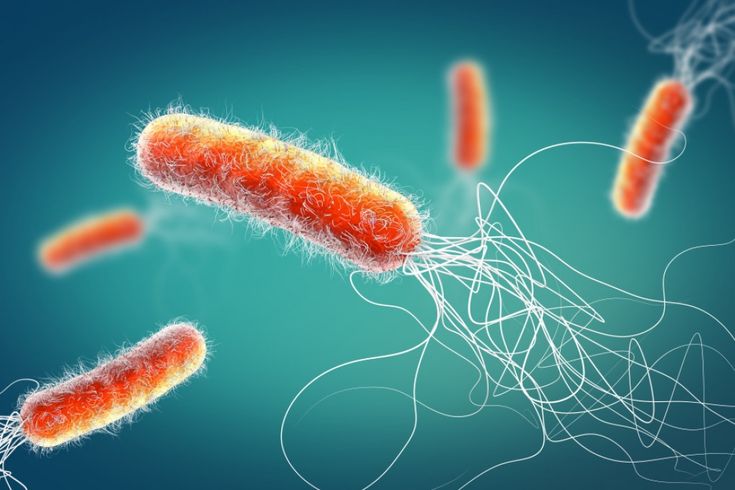
Pseudomonas aeruginosa is a rod-shaped, Gram-negative bacterium known for its broad metabolic capabilities and ability to adapt to diverse environmental conditions. It is an opportunistic pathogen, meaning that it can cause disease when conditions in the body or environment favor infection.
This bacterium can be found in soil, water, and various environments influenced by human activities. Its adaptability is supported by metabolic flexibility, genetic diversity, and the ability to adjust its biological activities to surrounding conditions.
These characteristics allow Pseudomonas aeruginosa to survive under a wide range of conditions, although its growth still depends on nutrient availability, temperature, moisture, and other environmental factors.
Read Also:
Pseudomonas aeruginosa: Its Critical Role in Microbiological Research and Product Safety
Biological Weapons That Support Infection
One reason P. aeruginosa can cause infections is its ability to produce various virulence factors, which are biological components or products that help the bacterium survive, obtain nutrients, and interfere with host defenses. These factors include tissue-degrading enzymes, toxins, molecules that facilitate iron acquisition, and specialized secretion systems that deliver proteins into the surrounding environment or target cells.
One particularly interesting compound is pyocyanin, a blue-green pigment produced by many strains of P. aeruginosa. This compound can induce oxidative stress and disrupt host cell functions, thereby contributing to tissue damage under certain infection conditions.
In addition to producing compounds that act outside the cell, P. aeruginosa possesses a type III secretion system (T3SS), which can deliver effector proteins directly into host cells. This mechanism resembles a molecular injection device, enabling the bacterium to interfere with cellular processes and host defenses, although its activity depends on the bacterial strain and infection conditions.
Interestingly, these virulence factors are not always produced at the same levels in every situation. Their expression can be influenced by environmental conditions, cell-to-cell signaling, and gene regulatory networks, allowing the bacterium to adjust its strategies when encountering different environments.
From Environmental Contamination to Infection
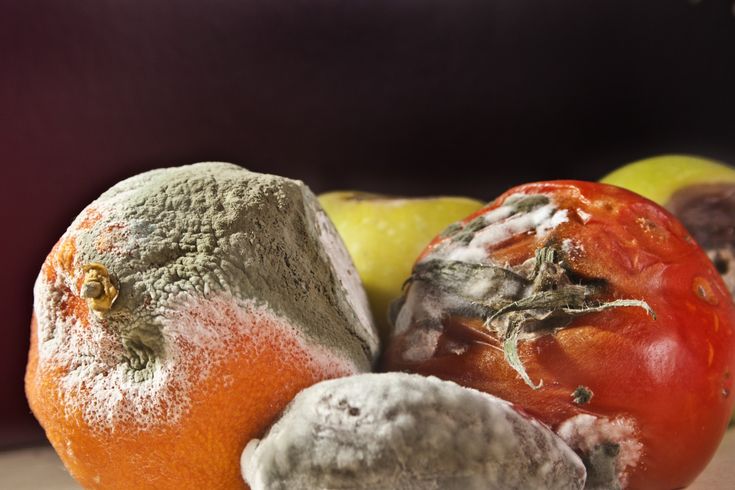
Environments associated with water, damp surfaces, and plumbing systems can provide habitats where P. aeruginosa survives, particularly when conditions support biofilm formation. In healthcare facilities, this bacterium may also be found in certain environmental sources and can potentially spread through hands, equipment, or other exposure routes when infection prevention and control measures are inadequate.
In humans, P. aeruginosa can cause various types of infections, including pneumonia, urinary tract infections, wound infections, and bloodstream infections. The risk of severe infection tends to be higher in hospitalized patients, individuals with certain medical conditions, those with damaged tissues, or those using invasive medical devices.
One important point to understand is that environmental contamination does not automatically lead to disease. Infection depends on the route of bacterial entry, the number and characteristics of the microorganisms involved, and the body’s ability to prevent colonization from progressing into an infection.
Therefore, controlling P. aeruginosa requires more than simply cleaning visibly dirty surfaces. Water source management, equipment maintenance, hand hygiene, and the implementation of infection prevention procedures must be integrated according to the risks and characteristics of the environment.
Consult Your Microbiological Testing Needs at IML Testing and Research Today!
revent a crisis before it strikes! Schedule a microbiological testing consultation with the expert team at IML Testing and Research. We will help you map out the exact, precise, and regulatory-compliant pathogen testing parameters required to guarantee your product is 100% bacteria-free and ready to safely dominate the market.
Author: Dherika
Editor: Lina
References
Letizia, M., Diggle, S.P. & Whiteley, M. (2025). Pseudomonas aeruginosa: ecology, evolution, pathogenesis and antimicrobial susceptibility. Nat Rev Microbiol, 23, 701–717. https://doi.org/10.1038/s41579-025-01193-8.
Qin, S., Xiao, W., Zhou, C., Pu, Q., Deng, X., Lan, L., Liang, H., Song, X., & Wu, M. (2022). Pseudomonas aeruginosa: pathogenesis, virulence factors, antibiotic resistance, interaction with host, technology advances and emerging therapeutics. Signal transduction and targeted therapy, 7(1), 199. https://doi.org/10.1038/s41392-022-01056-1.