The Health Impacts of Pesticide Residues: Risks You Should Be Aware Of

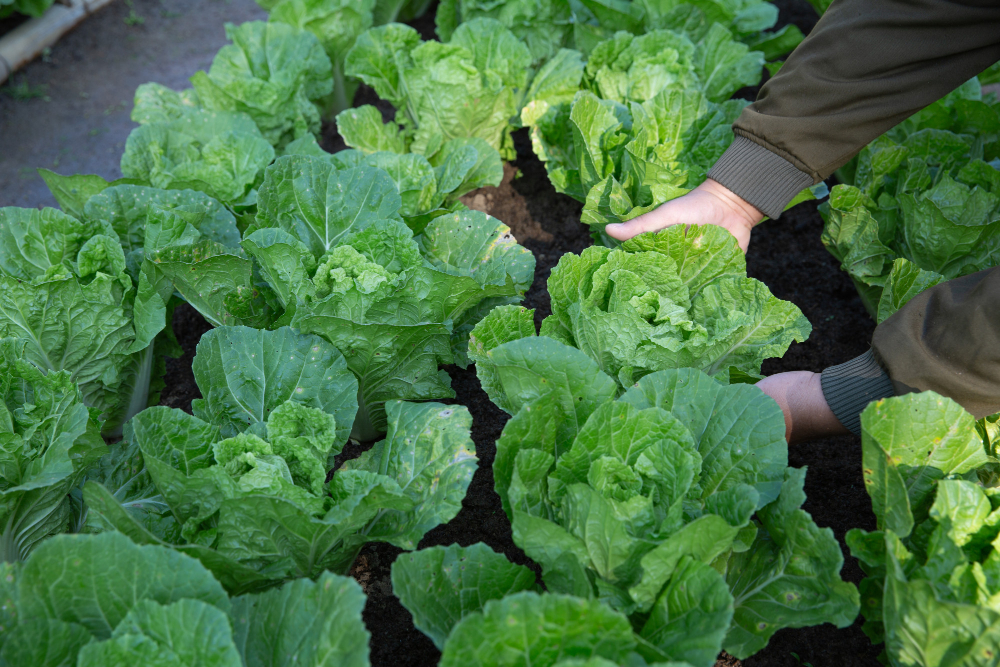
Pesticide residues in food are an important concern when it comes to protecting public health and ensuring food safety. Pesticides are widely used in agriculture to control pests, plant diseases, and weeds, helping farmers maintain crop productivity.
However, improper pesticide use can leave residues on fruits, vegetables, and other agricultural products. These residues deserve attention because exposure to certain chemicals may pose health risks.
Understanding the potential health impacts of pesticide residues and how to minimize exposure is essential for consumers, farmers, and food industry professionals.
Table of Content:
- What Are Pesticide Residues?
- Health Impacts of Pesticide Residues
- Factors That Influence Pesticide Residues in Crops
- How to Reduce the Risks of Pesticide Residues
- The Importance of Pesticide Residue Testing for Food Safety
What Are Pesticide Residues?
Pesticide residues are the remaining active ingredients or their breakdown products that may be present on or inside plants after pesticide application. These residues can be found on leaf surfaces, fruit skins, or other edible parts of agricultural products.
The presence of pesticide residues does not automatically mean that a food product is unsafe. The potential health risks depend on several factors, including the type of pesticide, residue concentration, amount of food consumed, and frequency of exposure.
Therefore, monitoring pesticide residues is essential to help ensure that agricultural products comply with applicable food safety standards.
Read Also:
Pesticide Residues in Rice: Facts, Risks, and Testing Standards
Health Impacts of Pesticide Residues
The health effects of pesticide exposure vary depending on the chemical involved and the level of exposure. The following are some potential health risks that deserve attention.
1. Health Problems Caused by High Exposure
Exposure to high levels of pesticides over a short period may cause acute poisoning. Depending on the substance involved, symptoms may include nausea, vomiting, headaches, dizziness, skin irritation, and breathing difficulties.
In severe cases, exposure to certain pesticides may also cause nervous system disturbances. However, these symptoms do not necessarily indicate pesticide poisoning caused by consuming food containing residues.
The risk must be assessed based on the source of exposure, the type of chemical, and the amount entering the body.
2. Nervous System Disorders
Certain pesticides can affect the nervous system, particularly when exposure levels are sufficiently high. Some chemicals interfere with the normal transmission of nerve signals, which is essential for maintaining the body's normal functions.
Responsible pesticide use and effective control of residues in food are important measures to reduce unnecessary exposure and protect public health.
3. Potential Hormonal and Reproductive Effects
Certain pesticides have raised concerns because of their potential effects on the endocrine system, reproductive health, and fetal development. However, these effects do not apply to all pesticides and depend on the characteristics of the active ingredient and the level of exposure.
Monitoring pesticide residues and complying with applicable food safety limits are therefore important steps in helping protect consumers.
4. Long-Term Exposure Risks
Repeated exposure to certain pesticides over an extended period may raise health concerns. Some active ingredients have been associated with an increased risk of particular diseases, although the strength of scientific evidence varies among substances.
Nevertheless, the presence of pesticide residues in food does not automatically mean that the product will cause disease. Safety assessments must consider the pesticide involved, residue concentration, and the level of exposure experienced by consumers.
Factors That Influence Pesticide Residues in Crops
Pesticide residue levels in agricultural products can be influenced by several factors, including excessive application rates, spraying too close to harvest, inappropriate pesticide selection, and failure to observe the pre-harvest interval. Environmental conditions, crop characteristics, and the chemical properties of active ingredients may also affect residue persistence.
Farmers should therefore follow product instructions, adopt good agricultural practices, and observe the recommended pre-harvest interval to help control pesticide residues in harvested crops.
How to Reduce the Risks of Pesticide Residues
Several practical steps can help reduce exposure to pesticide residues through food:
- Wash fruits and vegetables under running water. This helps remove dirt and may reduce some residues on the surface.
- Peel certain fruits when appropriate. Peeling may reduce some residues, although it cannot eliminate every type of pesticide residue.
- Consume a variety of fruits and vegetables. Eating a diverse range of produce supports a balanced diet and reduces reliance on a single food source.
- Use pesticides according to instructions. Farmers should follow recommended application rates, application procedures, and pre-harvest intervals.
- Conduct pesticide residue testing. Laboratory testing helps determine residue levels and assess whether products comply with applicable maximum residue limits.
It is important to understand that washing fruits and vegetables does not guarantee the complete removal of pesticide residues. Some chemicals may penetrate plant tissues, making appropriate pesticide management during cultivation essential.
The Importance of Pesticide Residue Testing for Food Safety
Pesticide residue testing is an important part of agricultural product quality control and food safety monitoring. Laboratory testing can determine residue levels in fruits, vegetables, and other agricultural products and help assess whether the results comply with applicable maximum residue limits (MRLs).
This information helps farmers, manufacturers, distributors, and food industry professionals evaluate product quality and determine appropriate control measures. Pesticide residue testing can also support food safety compliance and strengthen consumer confidence in agricultural products.
Conclusion
Pesticide residues in crops deserve attention because exposure to certain chemicals may pose health risks. The potential risks depend on the active ingredient, residue concentration, and level of exposure.
Appropriate pesticide use and laboratory testing are therefore essential measures for maintaining agricultural product quality and supporting food safety.
Ensure the safety of your agricultural products with IML Research!
Conduct pesticide residue testing to help evaluate residue levels and assess compliance with applicable maximum residue limits. Contact IML Research to learn more about its pesticide residue testing services and strengthen your commitment to providing safe, high-quality agricultural products.
Author: Indah
Editor: Lina
References
Andrade, J. C. de, Galvan, D., Kato, L. S., & Conte-Junior, C. A. (2023). Consumption of fruits and vegetables contaminated with pesticide residues in Brazil: A systematic review with health risk assessment. Chemosphere, 322, 138244. https://doi.org/10.1016/j.chemosphere.2023.138244
Beyuo, J., Sackey, L. N. A., Yeboah, C., Kayoung, P. Y., et al. (2024). The implications of pesticide residue in food crops on human health: A critical review. Discover Agriculture, 2, Article 123. https://doi.org/10.1007/s44279-024-00141-z
Verger, P., Agamy, N., Anshasi, M., & Al-Yousfi, A. B. (2021). Occurrence of pesticide residues in fruits and vegetables for the Eastern Mediterranean Region and potential impact on public health. Food Control, 119, 107457. https://doi.org/10.1016/j.foodcont.2020.107457
World Health Organization. (2022). Pesticide residues in food. World Health Organization.