Adding Preservatives to Food Products: Is It Allowed?

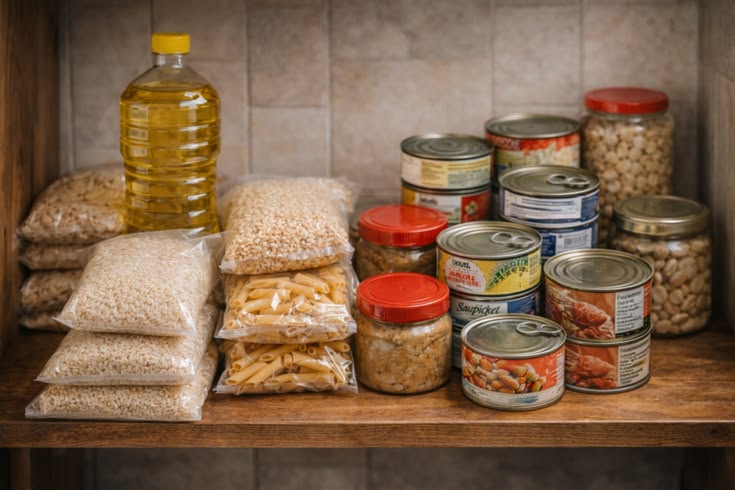
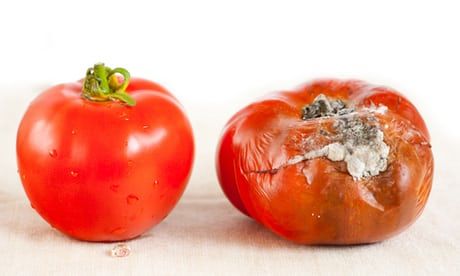
Food can spoil due to the growth of microorganisms, such as bacteria and molds. To prevent this, antimicrobials or preservatives are used to inhibit or kill microorganisms that cause disease and food spoilage.
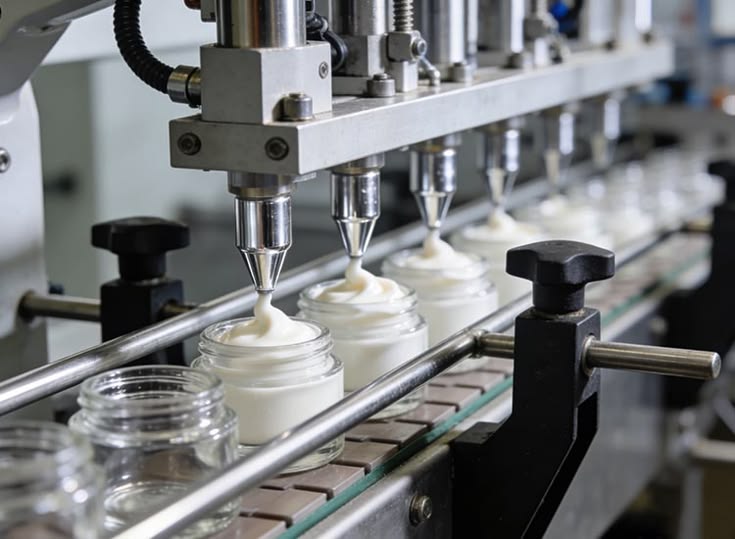
Antimicrobials can be added directly to food or applied to packaging and surfaces that come into contact with food. The choice of antimicrobial should be tailored to the type of food, target microorganisms, and storage conditions to ensure optimal effectiveness.
In general, antimicrobial preservatives can be derived from natural or synthetic sources. Both can help maintain food quality and safety when used appropriately and in accordance with applicable regulations.
Table of Content:
- The Use of Synthetic Preservatives in Food Products
- The Use of Natural Preservatives in Food Products
The Use of Synthetic Preservatives in Food Products
Synthetic preservatives are used in various food products to inhibit microbial growth and extend shelf life. For example, nitrites are used in processed meat to help maintain its color and inhibit Clostridium botulinum, while sodium benzoate and potassium sorbate are used in certain food products to inhibit the growth of yeasts and molds.
Each preservative serves a different purpose depending on the characteristics of the food. Propionic acid, for instance, is used in baked goods to inhibit mold growth, while acetic acid is found in vinegar and used in products such as sauces and certain seasonings to help inhibit microorganisms.
Synthetic preservatives work through different mechanisms. Nitrites can interfere with bacterial energy production and enzyme activity, while weak organic acids, such as benzoic acid and sorbic acid, can enter microbial cells and disrupt their internal balance and metabolic processes.
These disruptions make it difficult for microorganisms to grow and reproduce. However, the ability of a preservative to inhibit microorganisms depends on the type of preservative, its concentration, and the characteristics of the target microorganisms.
One factor that affects preservative effectiveness is the acidity or pH of the food. In more acidic foods, certain preservatives, such as benzoic acid and sorbic acid, can more readily enter microbial cells.
Once inside, they can disrupt cellular balance and function, making it more difficult for microorganisms to grow and reproduce. In addition to pH, food composition and the types of microorganisms present also influence preservation outcomes.
Therefore, a preservative that is effective in one product may not produce the same results in another, making it important to select and use preservatives according to the characteristics of the food.
The Use of Natural Preservatives in Food Products
Natural preservatives can be derived from animals, plants, and microorganisms. For example, egg white contains lysozyme, a substance that can damage bacterial cell walls, while milk contains lactoferrin, which binds iron and makes it more difficult for bacteria to obtain this nutrient for growth.
In plants, antimicrobial compounds can be found in herbs and spices, such as thyme and rosemary. These compounds can inhibit microbial growth and may help maintain food quality and extend shelf life.
Certain microorganisms, such as lactic acid bacteria, can also produce substances that inhibit the growth of other microorganisms. One example is nisin, an antimicrobial compound produced by certain bacteria that can help inhibit bacteria that may cause food spoilage.
Natural preservatives work through different mechanisms, depending on the type of compound and the target microorganisms. Some compounds damage cell walls or membranes, while others interfere with nutrient availability or microbial metabolic processes.
However, natural preservatives are not necessarily effective against all types of microorganisms. For example, nisin is more effective against Gram-positive bacteria, while the outer membrane of Gram-negative bacteria can act as a barrier to its activity.
The effectiveness of plant extracts can also be influenced by their concentration and the composition of the food. In practice, natural preservatives can be used in applications such as chitosan-based food coatings or through the addition of antimicrobial compounds derived from plants.
Although they come from natural sources, their effectiveness and safety still need to be evaluated through appropriate testing to ensure that they can inhibit microorganisms without compromising food quality.
Don't Let Your Food Product Face a Mass Recall Due to Incorrect Preservative Dosage!
Utilizing food additives and preservatives that exceed maximum regulatory limits is not merely a legal violation; it poses a severe threat to consumer safety. Conversely, an insufficient dosage will lead to rapid spoilage and massive financial losses. Stop relying on guesswork in your formulations! Validate your preservative levels and guarantee absolute food safety with national-standard laboratory testing at IML Testing and Research.
Your F&B business reputation is far too valuable to gamble with. Secure your distribution permit and market trust right now! Contact our expert team today to schedule your product sample testing.
Author: Dherika
Editor: Lina
References
Bensid, A., El Abed, N., Houicher, A., Regenstein, J. M., & Özogul, F. (2020). Antioxidant and antimicrobial preservatives: Properties, mechanism of action and applications in food—A review. Critical Reviews in Food Science and Nutrition, 61(15), 2515–2536. https://doi.org/10.1080/10408398.2020.1862046.
Davidson, P. M., & Zivanovic, S. (2003). The use of natural antimicrobials. In P. Zeuthen & L. Bøgh-Sørensen (Eds.), Food preservation techniques (pp. 5–30). Woodhead Publishing.