Niacinamide and Its Side Effects: Is It Safe to Use Every Day or Stop It?

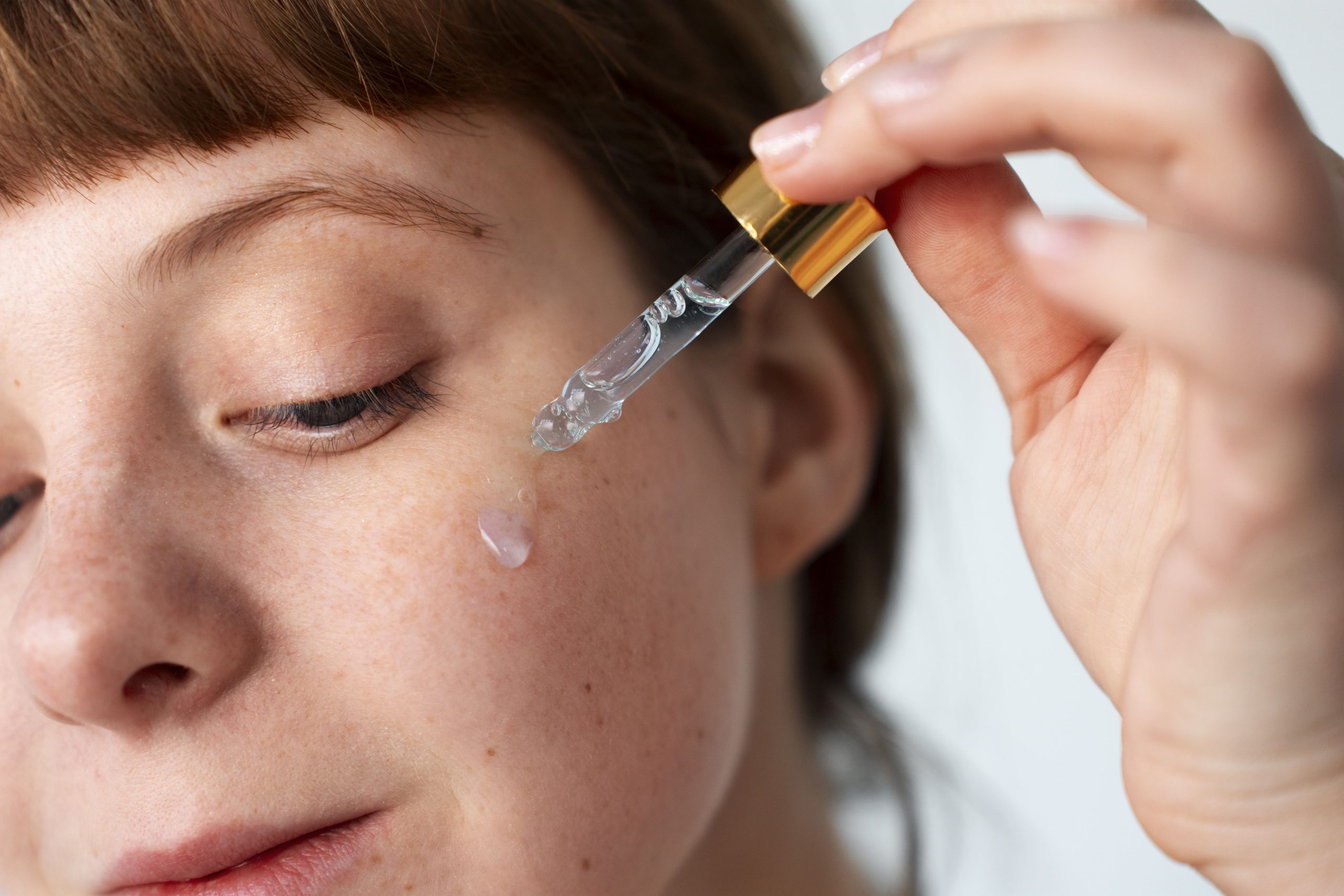
Niacinamide has become one of the most popular skincare active ingredients because it is often associated with benefits such as helping brighten the skin, supporting the skin barrier, controlling excess oil, and improving the appearance of dark spots.
However, although it is generally known as a gentle ingredient, niacinamide use still needs attention, especially when used daily or combined with other active ingredients. That is why understanding its benefits, possible side effects, and proper usage limits is important, so consumers do not rely only on product claims but can choose skincare products more wisely and safely.
Table of content:
- Dull Skin, Dark Spots, and Sensitive Skin Are Increasingly Common Concerns
- The Evolution of the Skincare Industry and the Rise of Active Ingredients
- Why Has Niacinamide Remained So Popular?
- Can Niacinamide Cause Irritation or Stinging?
- Should You Stop Using Niacinamide Once Your Skin Improves?
Dull Skin, Dark Spots, and Sensitive Skin Are Increasingly Common Concerns
Dull skin, post inflammatory hyperpigmentation, and sensitive skin are among the most common skin concerns experienced by people worldwide. These conditions not only affect physical appearance but can also reduce self confidence because the skin appears less healthy and more difficult to maintain.
Interestingly, many individuals are unaware that they actually have sensitive skin until they experience burning, stinging, or redness after using certain skincare products. A systematic review and meta analysis published by Chen et al. (2020) reported that approximately 71% of the global population self identifies as having sensitive skin to varying degrees, while nearly 40% consider their skin to be moderately or very sensitive.
These findings indicate that sensitive skin is far more prevalent than many people realize, highlighting the importance of choosing skincare ingredients with well established safety profiles.
The Evolution of the Skincare Industry and the Rise of Active Ingredients
The skincare industry has been evolving for decades, offering products designed to address a wide range of skin concerns, including skin brightening, moisturization, acne treatment, and anti aging. In the early stages, skincare formulations primarily focused on maintaining skin hydration and protecting the skin barrier from environmental damage.
As cosmetic science and formulation technologies advanced, researchers began exploring a growing number of active ingredients derived from both synthetic compounds and botanical extracts. These innovations have enabled the development of products that are more stable, effective, and capable of targeting specific biological pathways within the skin.
Today, ingredients such as retinoids, vitamin C, peptides, ceramides, and niacinamide have become essential components of modern skincare formulations due to their strong scientific evidence and proven clinical benefits.
Why Has Niacinamide Remained So Popular?
Among the many active ingredients available today, niacinamide has remained one of the most widely used ingredients for many years. Its popularity is not solely attributed to its relatively affordable cost but also to its well documented efficacy, excellent stability, and compatibility with numerous cosmetic formulations.
Niacinamide is the biologically active form of vitamin B3 and serves as a precursor for the coenzymes NAD⁺ and NADP⁺, which are essential for cellular energy metabolism and repair processes. When applied topically, niacinamide stimulates the production of ceramides and epidermal lipids, thereby strengthening the skin barrier and reducing transepidermal water loss (TEWL).
In addition, it inhibits the transfer of melanosomes from melanocytes to keratinocytes, helping to reduce hyperpigmentation, brighten uneven skin tone, regulate excess sebum production, improve mild acne, and provide anti inflammatory effects that soothe redness and irritation.
Read also:
Niacinamide VS Arbutin, which one is more effective?
Can Niacinamide Cause Irritation or Stinging?
Although niacinamide is generally considered one of the gentlest active skincare ingredients, some individuals may experience mild stinging, warmth, or irritation, particularly when using products containing high concentrations or when the skin barrier is already compromised. In most cases, these reactions are not caused by niacinamide itself but rather by the overall product formulation, the simultaneous use of multiple niacinamide containing products, or the presence of other potent active ingredients such as alpha hydroxy acids (AHAs), beta hydroxy acids (BHAs), or retinoids.
At concentrations between 2% and 5%, niacinamide demonstrates an excellent safety profile and is frequently recommended for individuals with sensitive skin because of its ability to improve skin barrier function. Therefore, daily use in both morning and evening skincare routines is generally considered safe as long as the skin tolerates the product well. If persistent irritation occurs, reducing the frequency of application and gradually reintroducing the product once the skin has recovered is often sufficient.
Should You Stop Using Niacinamide Once Your Skin Improves?
Many people wonder whether niacinamide should be discontinued once their skin becomes brighter or dark spots have faded. In reality, niacinamide is not intended as a short term treatment that must be stopped after achieving a specific goal.
Instead, it functions as a supportive ingredient that helps maintain normal skin physiology and preserves overall skin health. Once the skin reaches a healthier condition, such as improved brightness or reduced pigmentation, visible improvements may become less noticeable because the skin has approached its biological optimum or reached a treatment plateau.
This does not mean that niacinamide has stopped working; rather, its role shifts toward maintaining skin barrier integrity, preventing the formation of new pigmentation, regulating sebum production, and protecting the skin from environmental stressors such as ultraviolet radiation and pollution. Consequently, long term continuous use is generally appropriate as long as no adverse reactions develop.
Conclusion
Niacinamide is one of the few skincare active ingredients that combines high efficacy with an excellent safety profile, making it a cornerstone ingredient in countless skincare products worldwide. Scientific evidence demonstrates that it effectively addresses multiple skin concerns, including dullness, hyperpigmentation, excessive oil production, impaired skin barrier function, and mild inflammation through several well established biological mechanisms.
For most individuals, including those with sensitive skin, niacinamide is considered safe for daily use when incorporated into a properly formulated skincare routine and used according to product recommendations. Side effects such as mild stinging or temporary redness are relatively uncommon, generally mild, and often associated with formulation factors rather than niacinamide itself.
Overall, niacinamide can be safely incorporated into a long term skincare routine to maintain healthy skin without causing significant adverse effects for the vast majority of users.
Safe Claims Need Testing
If your brand is developing a skincare product with niacinamide, make sure claims such as “safe for daily use” are not based only on ingredient trends. The product still needs to be supported by proper testing to evaluate its safety, stability, and formulation quality.
With IML Testing and Research, you can conduct professional product testing to make skincare claims more measurable, credible, and ready to compete in the market.
Author: Delfia
Editor: Alphi
References
Chen W, Dai R, Li L. The prevalence of self-declared sensitive skin: a systematic review and meta-analysis. Journal of the European Academy of Dermatology and Venereology. 2020;34(8):1779–1788. DOI: 10.1111/jdv.16166.
Farage MA. The Prevalence of Sensitive Skin. Frontiers in Medicine. 2019;6:98.