The Rising Dollar and Its Impact on Laboratory Testing Costs

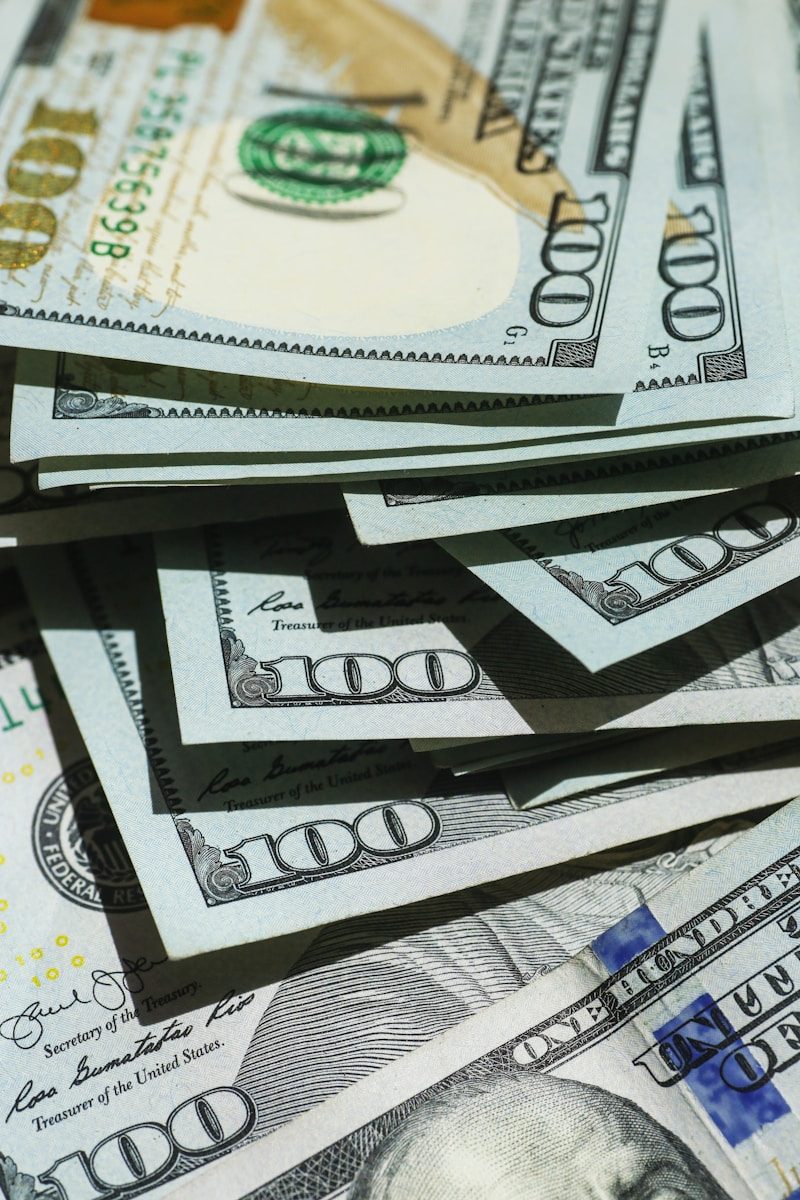
The rupiah exchange rate has breached Rp17,500 per US dollar in May 2026 trading deepening a depreciation of approximately 5 percent year to date. This is not merely macroeconomic news relevant only to traders or investors.
For industry players who rely daily on laboratory testing to ensure regulatory compliance, product safety, and smooth BPOM notification processes these exchange rate fluctuations carry very real operational consequences that directly impact their business cost structures.
Apindo Chairperson Shinta Widjaja Kamdani has confirmed that this situation represents an external shock that intensifies pressure on corporate cost structures and cash flows, with transmission effects spreading widely across the entire supply chain. Testing laboratories, as a critical link in the supply chain of the cosmetic, pharmaceutical, food, and agricultural industries, are not exempt from these effects.
Understanding the mechanism through which a rising dollar transmits into higher laboratory testing costs is an essential first step for every industry player seeking to plan their testing budgets more strategically
Table of content:
- Why Testing Labs Are Heavily Dependent on the Dollar
- Reagents and Chemicals: The First Components Affected
- Equipment and Maintenance: Long Term Cost Burdens
- The Domino Effect on Testing Service Rates
- Mitigation Strategies for Industry Players
Why Testing Labs Are Heavily Dependent on the Dollar
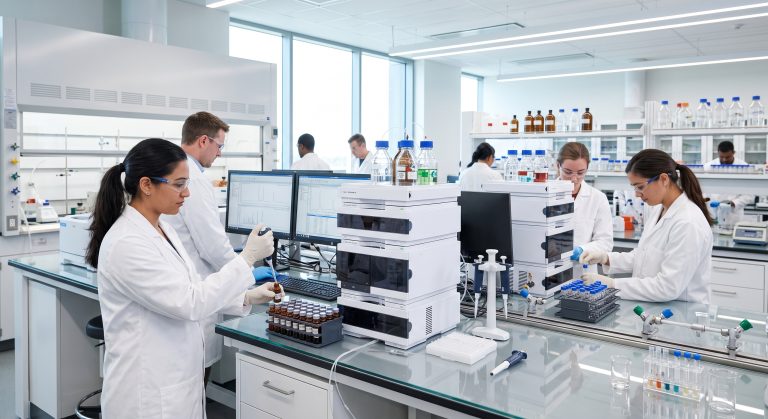
Modern testing laboratories particularly those operating in the cosmetic, pharmaceutical, food, and environmental testing sectors run ecosystems that are deeply dependent on dollar denominated imported products. Analytical instruments such as Gas Chromatography Mass Spectrometry (GC MS), Liquid Chromatography Tandem Mass Spectrometry (LC MS/MS), Inductively Coupled Plasma Mass Spectrometry (ICP MS), and High Performance Liquid Chromatography (HPLC).
The backbone of modern testing are almost entirely manufactured by international companies from the United States, Germany, Japan, and other developed nations. Indonesian import data shows that imports of machinery and mechanical equipment surged by a significant 22.1% quarter on quarter a trend reflecting the depth of industry's dependence on hightechnology components from abroad. This makes testing laboratories one of the sectors most vulnerable to dollar exchange rate fluctuations.
Reagents and Chemicals: The First Components Affected
In day to day laboratory operations, analytical reagents and chemicals are the components that feel the impact of rising exchange rates most quickly. High quality reagents used in testing such as certified reference materials, HPLC grade reagents, and precision analytical chemicals are almost entirely imported from the United States, Europe, and Japan, with prices quoted in dollars.
Indonesian import data recorded a 36.3% quarterly increase in various chemical products a surge that directly pressures the operational costs of laboratories that routinely use these materials. When the rupiah weakens, laboratories must pay more for the same volume of reagents, while existing stockpiles steadily erode in real value.
Equipment and Maintenance: Long Term Cost Burdens
Beyond reagents, the rising dollar also significantly impacts the cost of laboratory equipment maintenance and calibration. Service contracts for analytical instruments with international vendors are typically denominated in dollars or euros. When the rupiah depreciates, annual maintenance costs that were already budgeted in rupiah automatically inflate in nominal terms.
The same applies to spare parts, instrument software upgrades, and calibration costs using international standards. Rising operational costs for companies relying on imported raw materials, and increasing foreign debt values denominated in dollars, are two direct consequences that every organization with high import dependency must anticipate. For laboratories managing portfolios of equipment worth billions of rupiah much of it acquired in dollars this impact is not merely short term pressure, but a long term structural burden.
Read also:
Counterfeit Medicines in Indonesia: Dangers, Detection, and the Role of Laboratories
The Domino Effect on Testing Service Rates
Rising laboratory operational costs ultimately converge at one point: adjustments to testing service rates. For companies dependent on imported raw materials, rising dollar exchange rates will increase production costs and business operators have a finite capacity for absorption before they are ultimately forced to pass additional costs on to consumers.
For cosmetic, pharmaceutical, and food manufacturers who use laboratory services routinely, this means testing budgets planned at the beginning of the fiscal year may no longer be adequate. In the context of industries that are heavily dependent on regulatory testing where testing is not optional but a legal obligation this cost pressure cannot simply be ignored or deferred.
Mitigation Strategies for Industry Players
Facing this reality, forward thinking industry players are not merely reactive they take proactive steps to mitigate the impact of a rising dollar on their testing budgets. Key strategies to consider include: first, long term testing planning by consolidating testing needs into annual service contracts for more stable pricing; second, testing prioritization based on regulatory urgency and product risk, focusing budgets on the most critically impactful tests.
Third, choosing accredited local laboratories with technical capabilities equivalent to international laboratories but with cost structures better protected from exchange rate fluctuations and fourth, building long term partnerships with laboratory partners capable of providing medium term price certainty.
Efficiency measures and the search for local alternatives have increasingly become the strategic steps taken by industry players to maintain business viability amid exchange rate pressures.
Is Your Testing Budget Under Dollar Pressure? Consult with IML!
The continuing dollar rise in 2026 is not just macroeconomic pressure it is a real challenge with direct implications for your laboratory testing budget. As a player in the cosmetic, pharmaceutical, food, or agricultural industry obligated to meet BPOM RI testing standards, you need a laboratory partner that is not only technically competent but also provides reliable cost certainty.
IML Testing & Research, as a locally accredited testing laboratory operating to international standards, stands as a strategic solution amid mounting exchange rate pressures. Consult your testing needs and budget planning with IML today and transform testing from a cost burden into a protected strategic investment.
Author & editor: Alphi
References
Kompas.id. (2026). Transmisi Depresiasi Rupiah ke Berbagai Sendi Ekonomi. kompas.id
Babel Insight. (2026). Pelemahan Rupiah Terhadap Dollar AS Ancam Sektor Industri. babelinsight.id
Asatunews. (2026). Rupiah Tembus Rp17.300 per Dolar AS, April 2026. asatunews.co.id Suar.id. (2026). Dampak Kenaikan Impor pada Surplus Neraca Perdagangan dan Ketahanan Rupiah.
suar.id Dolarindo. (2026). Penyebab Rupiah Melemah dan Dampaknya Bagi Bisnis.
dolarindo.com Tempo.co. (2025). Anatomi Tarif Impor AS Ancam Ekonomi Indonesia. tempo.co