Understanding Types of Medicines: Which Ones Require a Doctor’s Prescription?

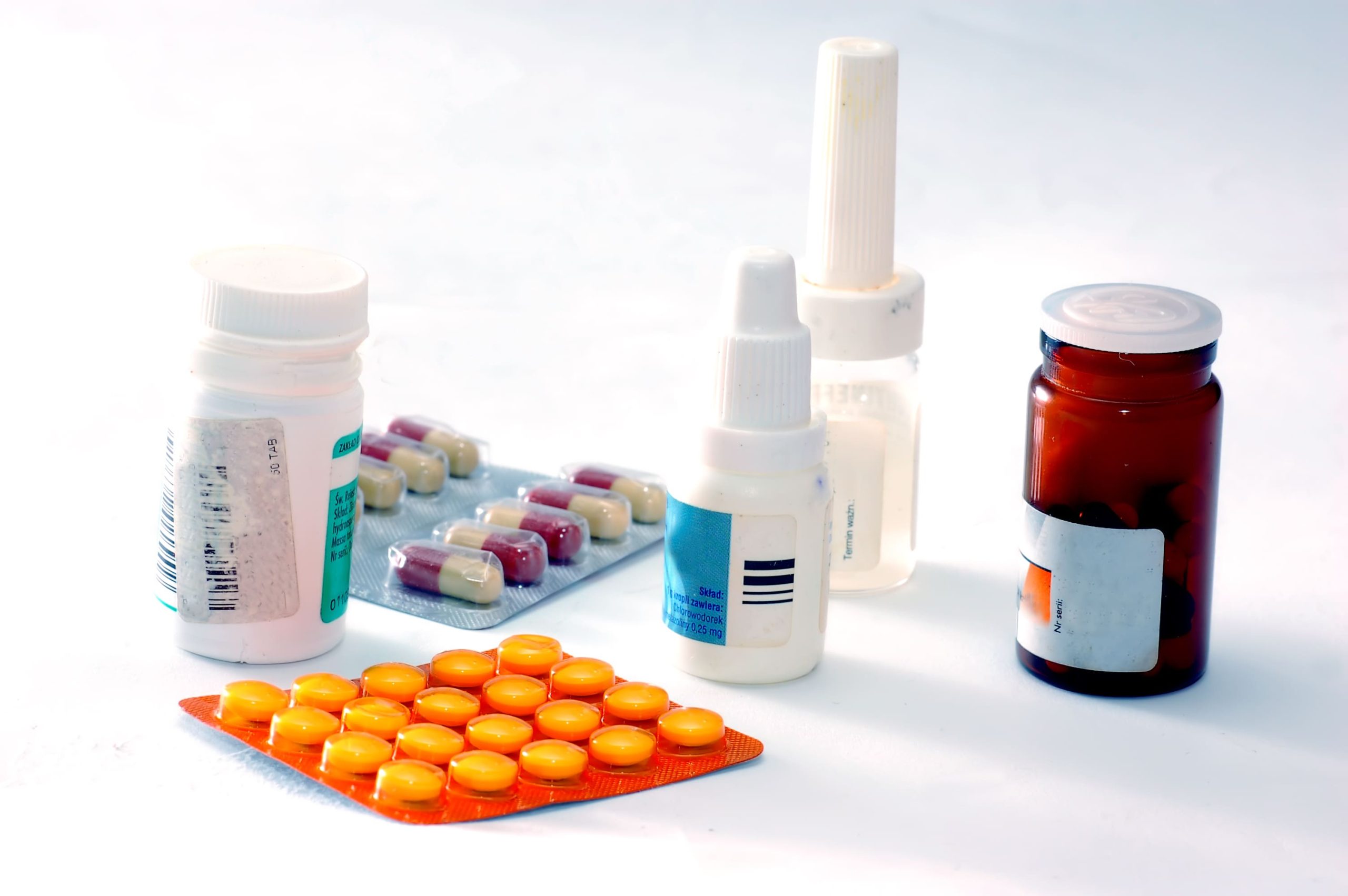
In everyday life, medication plays a vital role in maintaining health and treating a variety of conditions, from mild to serious. However, not all medicines are available over the counter some require a doctor's prescription due to potential side effects, interactions, or risks if used unsupervised.
Unfortunately, many people still don't understand the differences between medication types and the rules for their use. Therefore, it's crucial to understand medication categories to ensure their use is safe, appropriate, and meets medical needs.
Table of content :
- Drug Classification in Indonesia
- Over the Counter (OTC) Medicines (Obat Bebas)
- Limited Over the Counter Medicines (Obat Bebas Terbatas)
- Prescription Medicines (Obat Keras)
- Narcotics and Psychotropics
- Why Do Some Medicines Require a Prescription?
Drug Classification in Indonesia
Medicines play an essential role in maintaining and restoring health. However, not all medicines can be used freely without the supervision of healthcare professionals. In Indonesia, medicines are classified based on their safety level, potential side effects, and method of use. This classification is regulated by the Ministry of Health of the Republic of Indonesia and the Indonesian Food and Drug Authority, with the aim of protecting the public from the risks of improper medication use.
In general, medicine in Indonesia are divided into prescription medicine (including prescription only drugs, psychotropics, and narcotics) and non prescription medicines (over the counter and limited over the counter medicines) based on their safety and risk levels. According to Minister of Health Regulation No. 919/Menkes/Per/X/1993, a prescription is a written request from a physician, dentist, or veterinarian to a pharmacist to prepare and dispense medication to a patient in accordance with applicable regulations.
Further explanations of each category are as follows:
Over the Counter (OTC) Medicines (Obat Bebas)
Over the counter medicines are drugs that can be purchased freely at pharmacies, minimarkets, or drug stores without a prescription. They are marked with a green circle with a black border.These medicine are generally used to treat minor illnesses, are safe when used according to instructions, and are effective in relieving symptoms. An example is paracetamol.
Read also:
BUD and ED in Medicines: What Is the Difference and How Dangerous Is It If They Are Exceeded?
Limited Over the Counter Medicines (Obat Bebas Terbatas)
Limited over the counter medicines can still be purchased without a prescription at licensed pharmacies or drug stores, but they require special attention in their use. These are marked with a blue circle and should not be used carelessly or for long periods without consultation.
They also include specific warning labels (P1–P6) on their packaging:
- P1: Warning! Strong medicine. Read the directions for use carefully.
- P2: Warning! Strong medicine. For external use only.
- P3: Warning! Strong medicine. Do not swallow.
- P4: Warning! Strong medicine. For burning use only.
- P5: Warning! Strong medicine. Not to be used for children under a certain age.
- P6: Warning! Strong medicine. Hemorrhoid medicine, do not swallow.
Examples include certain doses of ibuprofen, digestive medicines, antiseptics, and some cough and cold medications.
Prescription Medicines (Obat Keras)
Unlike OTC and limited OTC medicines, prescription medicines can only be obtained with a doctor’s prescription. These are marked with a red circle containing the letter “K”. Examples include antibiotics, antihypertensive drugs, product for chronic diseases.
Narcotics and Psychotropics
According to Indonesian health regulations and laws, narcotics are substances or drugs derived from plants or non plants that can cause decreased or altered consciousness, loss of sensation, pain relief, and may lead to dependence. Examples include morphine and fentanyl.
Meanwhile, psychotropics are natural or synthetic substances (excluding narcotics) that have psychoactive effects, influence the central nervous system, and alter mental activity and behavior. Examples include diazepam and alprazolam. The use of both categories requires a doctor’s prescription.
Why Do Some Medicines Require a Prescription?
Prescription generally have stronger potency, more serious side effects, or require strict dosage control. In addition, some farmacy product have a high potential for misuse.
Therefore, prescription systems are designed to ensure patient safety, manage complex health conditions, and prevent misuse or harmful adverse reactions. This system ensures that qualified healthcare professionals verify the diagnosis and appropriateness of the medication, rather than relying on self diagnosis and self treatment.
As public awareness of safe medication use continues to grow, transparency and product validation are becoming increasingly important.
Conduct testing with IML Testing and Research to ensure your product meets safety standards, is supported by strong scientific data, and is ready to compete in the healthcare industry.
Author: Jihan
Editor: Alphi
References
Indonesian Food and Drug Authority (BPOM RI). (2021). Regulation of the Indonesian Food and Drug Authority No. 2 of 2021 on Guidelines for Drug Advertising Supervision. Jakarta: BPOM RI.
Ministry of Health of the Republic of Indonesia. (1993). Minister of Health Regulation No. 917/MENKES/PER/X/1993 on Mandatory Registration of Finished Pharmaceutical Products.
Chang, J., Lizer, A., Patel, I., Bhatia, D., Tan, X., & Balkrishnan, R. (2016). Prescription to over-the-counter switches in the United States. Journal of Research in Pharmacy Practice, 5(3), 149–154